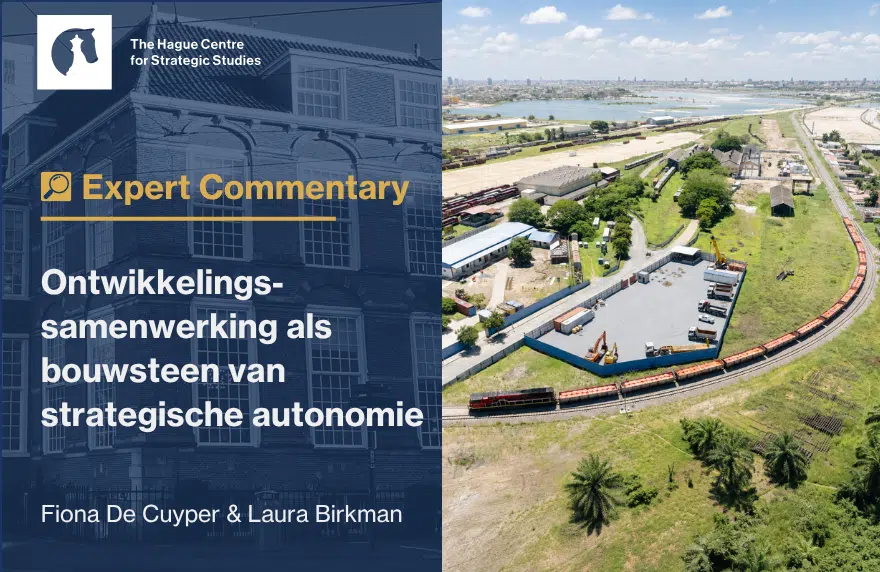
Opinie | Ontwikkelingssamenwerking als bouwsteen van strategische autonomie
Wie ontwikkelingssamenwerking uitsluitend als kostenpost ziet, miskent de economische en geopolitieke waarde ervan: het is een strategisch instrument voor Europese autonomie, schrijven HCSS analisten Fiona De Cuyper en Laura Birkman. In een wereld van geopolitieke spanningen en groeiende afhankelijkheid van kritieke grondstoffen zijn langdurige, wederzijds voordelige partnerschappen essentieel. Door te investeren in lokale verwerking, infrastructuur, kennis en werkgelegenheid kan Europa betrouwbare waardeketens opbouwen én partnerlanden meer perspectief bieden.

Offshore Experience | Pieter-Jan Vandoren over Multi Use op de Noordzee
Hoe komen we van romantiek naar realisme voor Multi Use op de Noordzee? Dat was de vraag van de Offshore Experience, op 3 september in Den Helder. Strategisch analist Pieter-Jan Vandoren, auteur van de HCSS studie “Twee agenda’s, één zee: Hoe veiligheid en natuur op de Noordzee elkaar kunnen versterken”, nam deel aan een panel over ‘een vollere maar ook veiligere Noordzee’. Samen met o.a. Sjaco Pas (Kustwacht Nederland), Patrick Stoppelman (TNO) en Rob Frees (UltraSea EU), leverde de sessie een scherp gesprek op tussen het kundige panel en de zaal.
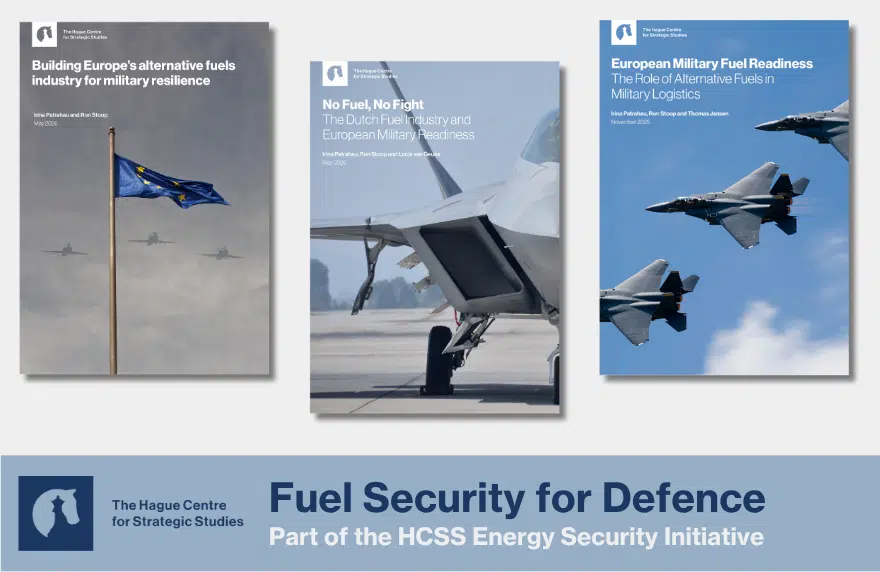
HCSS Fuel Security for Defence series | Fuel is no longer just an energy issue. It’s a security issue
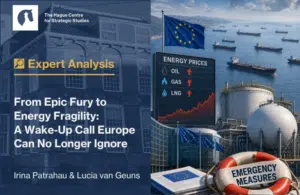
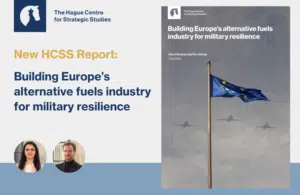
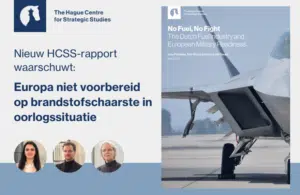
Fuel security is fundamental to European defence readiness. Recent tensions in the Middle East and renewed concerns over the Strait of Hormuz have underscored how geopolitical shocks can threaten military fuel supplies and expose Europe's dependence on vulnerable global energy markets. Through the HCSS Energy Security Initiative, our research examines how declining refining capacity, import dependence and the energy transition are reshaping military fuel resilience. From strengthening existing fuel supply chains to scaling up alternative fuels, HCSS explores how Europe can ensure its armed forces remain operational in times of crisis.