Research
Europe risks fuel shortages in wartime, new HCSS report warns
Europe’s defence readiness is constrained by a fuel system designed for efficiency in peacetime, not resilience in crisis. A new HCSS report by Irina Patrahau, Ron Stoop and Lucia van Geuns finds that in a large-scale conflict, the Netherlands and the wider EU would struggle to meet surging military fuel demand while keeping the civilian economy running.
The report, No Fuel, No Fight: The Dutch Fuel Industry and European Military Readiness, points to a growing structural mismatch between supply and demand. Declining domestic refining capacity, combined with the slow scale-up of alternative fuels, is eroding Europe’s ability to respond to crisis.
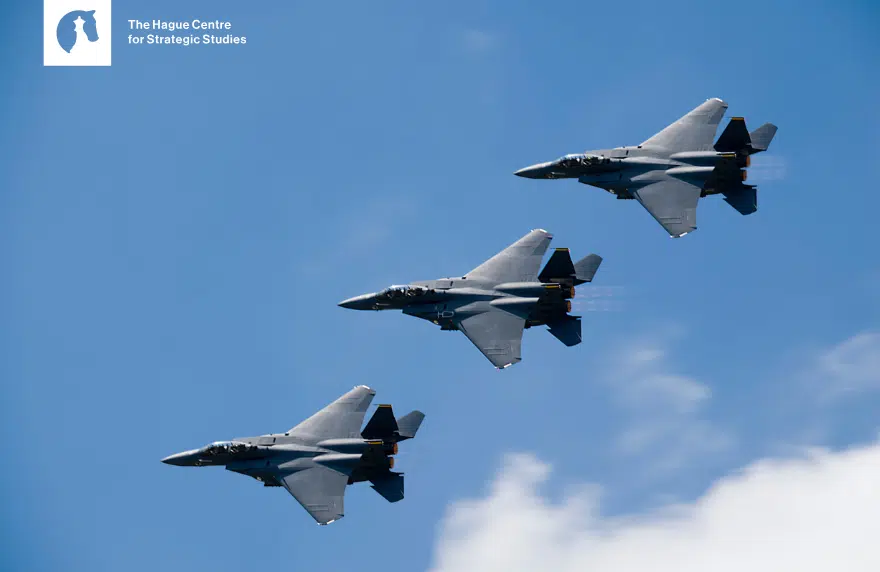
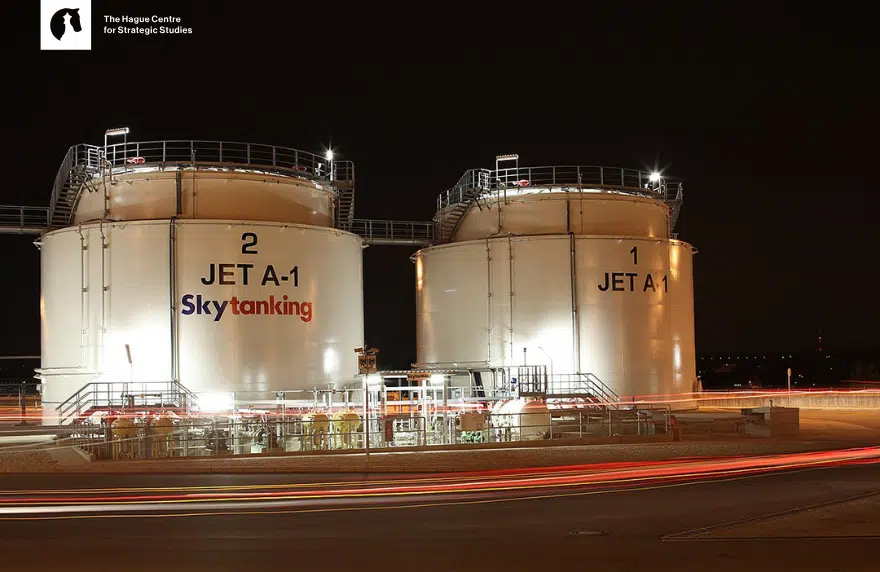
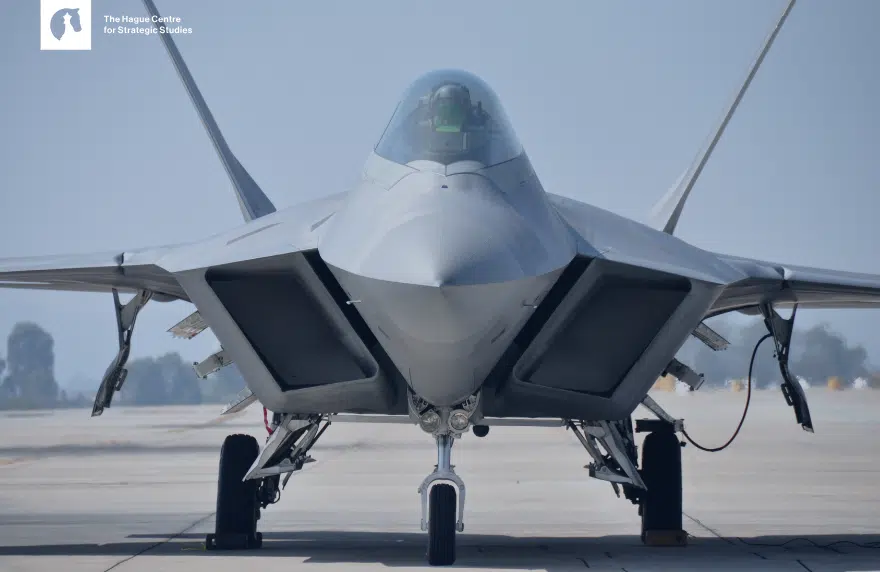
The most acute shortages are expected in aviation fuel, a critical resource for air forces and widely used across NATO under the Single Fuel Concept. In the conflict scenario examined, the EU could face an aviation fuel deficit of up to 24 percent.
The Netherlands faces even greater pressure compared to the rest of Europe due to its role as a NATO Host Nation. In a full-scale conflict, up to 35 percent of Dutch aviation fuel demand and 13 percent of Dutch road fuel demand would remain unmet. At the same time, the country would be expected to support allied forces moving through Europe, placing additional strain on its infrastructure.
At the strategic level, the report highlights a growing vulnerability: import dependence. The Netherlands, and the EU, are becoming too dependent on imported fuels from regions that may be unstable or contested in wartime. By 2030, Europe will already be dependent on imports for as much as 50 percent of its jet fuel products, and this could rise to 72 percent by 2040 without additional measures. This would tie Europe’s defence readiness to fragile maritime routes and external suppliers precisely when those links are most likely to be disrupted.
“Europe cannot assume that fuel will remain available, affordable, and easy to move in times of crisis,” said lead author Irina Patrahau. “Without structural changes, fuel logistics risk becoming the limiting factor in European defence.”
To address these risks, the report proposes five policy priorities:
- Appoint a national fuel security representative to integrate civil and military planning;
- Preserve critical refining capacity through targeted mechanisms where strategically necessary;
- Strengthen resilience of alternative fuel supply chains, including feedstock security and crisis performance;
- Enhance protection of critical fuel infrastructure, including clearer roles, protocols, and information-sharing;
- Deepen EU-NATO coordination on fuel security and strategic reserves, including revised stockpile policies.
The authors warn that bottlenecks in the military supply chain will also affect the availability of fuels for consumers. “In times of rising tensions, it is crucial that society can continue to function for as long as possible in order to sustain military operations over the longer term,” says co-author Ron Stoop.
“Fuel security must be treated as a core security task, not a technical market issue,” conclude Patrahau and Stoop. “Policymakers need to act now to ensure Europe can sustain both its military operations and its economies under pressure.”
- Authors: Irina Patrahau, Ron Stoop and Lucia van Geuns
- Contributors: Michel Rademaker, Nico Tak, Tom Middendorp, and Marit Weurding.
- Data analytics: Maria-Antigone Rumpf, Energex Partners
The research was commissioned by VEMOBIN, the Association Energy for Mobility and Industry, and executed by The Hague Centre for Strategic Studies (HCSS). Responsibility for the contents and for the opinions expressed, rests solely with the authors.






Related Content