
 https://hcss.nl/wp-content/uploads/2025/03/Shadows-of-war-.png
572
880
Stephanie Govaerts
https://hcss.nl/wp-content/uploads/2021/04/HCSS_Beeldmerk_Blauw_RGB1200-ppi-e1619025866259-300x300.png
Stephanie Govaerts2025-03-06 11:38:342025-03-25 09:49:26In the Shadows of War: The Impact of Russia’s Invasion of Ukraine on Criminal Networks in Eastern Europe
https://hcss.nl/wp-content/uploads/2025/03/Shadows-of-war-.png
572
880
Stephanie Govaerts
https://hcss.nl/wp-content/uploads/2021/04/HCSS_Beeldmerk_Blauw_RGB1200-ppi-e1619025866259-300x300.png
Stephanie Govaerts2025-03-06 11:38:342025-03-25 09:49:26In the Shadows of War: The Impact of Russia’s Invasion of Ukraine on Criminal Networks in Eastern EuropeTransnational organized crime remains a pervasive and evolving challenge that transcends borders, intersecting with global threats such as violent conflict, terrorism, climate change, and rising geopolitical competition. In today’s interconnected world, organized crime consists of increasingly fluid, decentralized, and technologically resilient trading networks that thrive in shadow and parallel global illicit economies. As they quickly adapt to a changing environment by leveraging their fluid organisational structures to exploit new opportunities created by war, market disruptions or other forms of conflict.
At HCSS, our research initiative delves into the complexities of organized crime, with a distinctive approach that combines qualitative and quantitative research. We specifically focus on the link between state stability, organized crime in conflict-prone environments and the undermining impact of subversive organized crime on our social, political, and judicial systems. As such we have covered areas ranging from Eastern Europe, to Africa and South-East Asia.
Latest HCSS Research on Transnational Organised Crime
Due to its close links to broader global dynamics, HCSS does research on organised crime as part of multiple projects, such as PROGRESS and the Strategic Monitor: Police.
https://hcss.nl/wp-content/uploads/2025/03/Shadows-of-war-.png
572
880
Stephanie Govaerts
https://hcss.nl/wp-content/uploads/2021/04/HCSS_Beeldmerk_Blauw_RGB1200-ppi-e1619025866259-300x300.png
Stephanie Govaerts2025-03-06 11:38:342025-03-25 09:49:26In the Shadows of War: The Impact of Russia’s Invasion of Ukraine on Criminal Networks in Eastern Europe https://hcss.nl/wp-content/uploads/2025/01/veilige-stad.png
572
880
Patrick Willemsen
https://hcss.nl/wp-content/uploads/2021/04/HCSS_Beeldmerk_Blauw_RGB1200-ppi-e1619025866259-300x300.png
Patrick Willemsen2025-01-21 08:30:422026-08-03 09:44:21Veilige stad: Uitdagingen voor hoogstedelijke gebieden in Nederland
https://hcss.nl/wp-content/uploads/2025/01/veilige-stad.png
572
880
Patrick Willemsen
https://hcss.nl/wp-content/uploads/2021/04/HCSS_Beeldmerk_Blauw_RGB1200-ppi-e1619025866259-300x300.png
Patrick Willemsen2025-01-21 08:30:422026-08-03 09:44:21Veilige stad: Uitdagingen voor hoogstedelijke gebieden in Nederland https://hcss.nl/wp-content/uploads/2024/10/Looming-Lethal-snapshot-Giulio-Damiani.png
572
880
Patrick Willemsen
https://hcss.nl/wp-content/uploads/2021/04/HCSS_Beeldmerk_Blauw_RGB1200-ppi-e1619025866259-300x300.png
Patrick Willemsen2024-10-09 10:01:002025-08-08 14:26:55Looming and Lethal: Assessing the Operational Implications of Drone Use by Mexican Organized Crime Groups
https://hcss.nl/wp-content/uploads/2024/10/Looming-Lethal-snapshot-Giulio-Damiani.png
572
880
Patrick Willemsen
https://hcss.nl/wp-content/uploads/2021/04/HCSS_Beeldmerk_Blauw_RGB1200-ppi-e1619025866259-300x300.png
Patrick Willemsen2024-10-09 10:01:002025-08-08 14:26:55Looming and Lethal: Assessing the Operational Implications of Drone Use by Mexican Organized Crime Groups https://hcss.nl/wp-content/uploads/2023/06/De-Staat-van-de-Rechtsstaat-Politie-Strategische-Monitor.png
572
880
Patrick Willemsen
https://hcss.nl/wp-content/uploads/2021/04/HCSS_Beeldmerk_Blauw_RGB1200-ppi-e1619025866259-300x300.png
Patrick Willemsen2023-06-13 09:00:002025-11-19 13:52:29De Staat van de Rechtsstaat: Waar Staan We, Waar Gaan We Naartoe?
https://hcss.nl/wp-content/uploads/2023/06/De-Staat-van-de-Rechtsstaat-Politie-Strategische-Monitor.png
572
880
Patrick Willemsen
https://hcss.nl/wp-content/uploads/2021/04/HCSS_Beeldmerk_Blauw_RGB1200-ppi-e1619025866259-300x300.png
Patrick Willemsen2023-06-13 09:00:002025-11-19 13:52:29De Staat van de Rechtsstaat: Waar Staan We, Waar Gaan We Naartoe? https://hcss.nl/wp-content/uploads/2023/05/Next-Generation-Organised-Crime-politie-monitor.png
572
880
Patrick Willemsen
https://hcss.nl/wp-content/uploads/2021/04/HCSS_Beeldmerk_Blauw_RGB1200-ppi-e1619025866259-300x300.png
Patrick Willemsen2023-05-15 08:30:002023-07-03 09:59:49Next Generation Organised Crime: Systemic change and the evolving character of modern transnational organised crime
https://hcss.nl/wp-content/uploads/2023/05/Next-Generation-Organised-Crime-politie-monitor.png
572
880
Patrick Willemsen
https://hcss.nl/wp-content/uploads/2021/04/HCSS_Beeldmerk_Blauw_RGB1200-ppi-e1619025866259-300x300.png
Patrick Willemsen2023-05-15 08:30:002023-07-03 09:59:49Next Generation Organised Crime: Systemic change and the evolving character of modern transnational organised crimeTrends in transnational organised crime
Trends in the evolution and future trajectories of transnational organized crime are closely linked to broader global dynamics. Organized crime’s social and economic integration, along with recruitment into criminal organizations, depend on rapid demographic, technological, and systemic changes. With rising international multipolarity and geopolitical competition, the activities and markets for organized crime are likely to expand further. This expansion increasingly relies on a shadow global illicit economy and clandestine transfer and investment vehicles, which often intersect with and exploit the formal regulated financial system.

Impact of geopolitical events on criminal networks
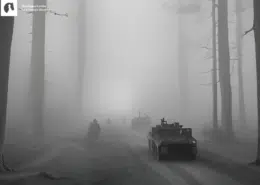
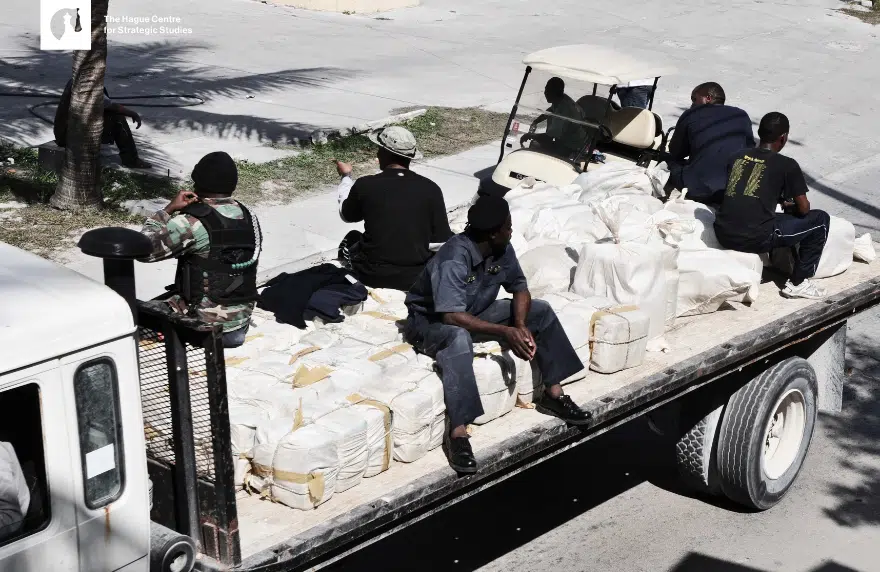
Unlike organized crime groups, criminal networks thrive on constantly changing alliances, and swiftly rearrange their activities to maximize profitability. This inherent fluidity is shaped by geopolitical trends, as shifts in the global landscape create new opportunities and challenges. War, in particular, always breeds crime. The weakening of institutions and restrictions on markets, inevitably create openings for organised crime groups, as their ability to circumvent these restrictions allow them to capitalize on the chaos and economic voids left by the war. Mass displacement of people, large shipments of small and heavy arms, and the disruption of existing criminal networks often reinforce ongoing illegal behaviour and foster the creation of new illicit activities.
Undermining effect on society
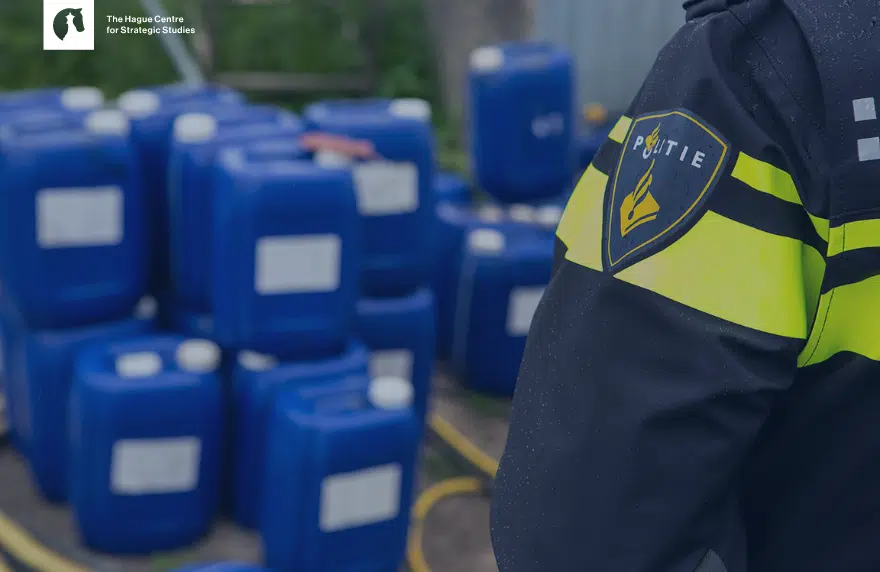
It is important to distinguish organised crime as such, and the impact it has on our social, political and judicial system, referred to as undermining or ‘subversive’ organised crime. Undermining is not the goal of criminal organizations but rather a side effect of their activities. Which is different from intended undermining for example due to foreign interference or influence. In regard to organised crime, undermining can manifest itself in society in the form of public violence such as assaults and assassinations, the dumping of drug-related chemical waste, threats made against and intimidation of public officials, and corruption.

Strategic Knowledge Centre on Subversive Organised Crime (SKC)
HCSS conducts long-running research for the Strategic Knowledge Centre on Subversive Organised Crime, under the Dutch Ministry of Justice and Security. Research done under this research framework has covered organised crime trends and developments in Eastern Europe, Africa, and South-East Asia. The purpose of this research is to provide a comprehensive and in-depth analysis of the most important geopolitical and criminal developments. Using an inverted pyramid structure, the research first highlights national and regional trends and the complexity of organised crime in a broader geopolitical context.
Foreign Information Manipulation and Interference (FIMI)
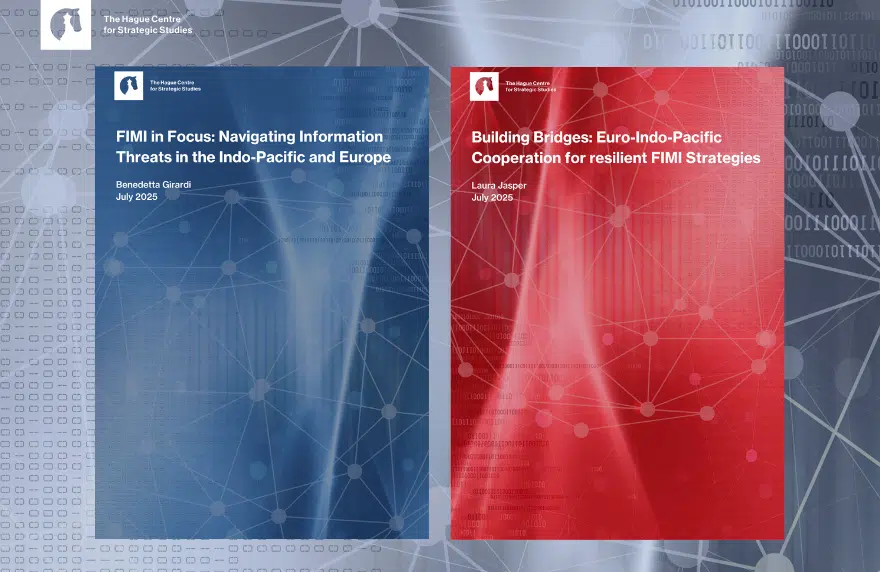
Organised crime is increasingly leveraged as a non-state actor in foreign influence and interference, providing states with deniable, adaptable, and globally embedded proxies. These criminal networks operate across borders and thrive within shadow economies, making them well-positioned to support covert activities that destabilise societies. By exploiting market disruptions, conflicts, and moments of political volatility, organised crime groups amplify the impact of foreign information manipulation and interference, offering hostile actors a discreet means to erode governance, weaken institutions, and undermine public trust.
Latest News
Catch up on our latest news, podcasts and media commentary in the field of Transnational Organised Crime.
 https://hcss.nl/wp-content/uploads/2026/09/Tom-Driessen-.png
572
880
Britt de Cuijper
https://hcss.nl/wp-content/uploads/2021/04/HCSS_Beeldmerk_Blauw_RGB1200-ppi-e1619025866259-300x300.png
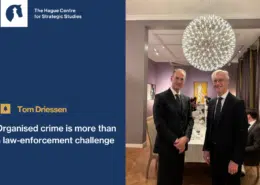
Britt de Cuijper2026-09-30 13:44:092026-09-30 13:44:10HCSS strategic advisor Tom Driessen: Organised crime is more than a law-enforcement challenge
https://hcss.nl/wp-content/uploads/2026/09/Tom-Driessen-.png
572
880
Britt de Cuijper
https://hcss.nl/wp-content/uploads/2021/04/HCSS_Beeldmerk_Blauw_RGB1200-ppi-e1619025866259-300x300.png
Britt de Cuijper2026-09-30 13:44:092026-09-30 13:44:10HCSS strategic advisor Tom Driessen: Organised crime is more than a law-enforcement challenge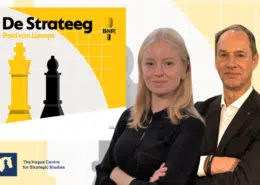 https://hcss.nl/wp-content/uploads/2026/01/De-Strateeg-Tom-Driessen-en-Laura-Jasper.png
572
880
Britt de Cuijper
https://hcss.nl/wp-content/uploads/2021/04/HCSS_Beeldmerk_Blauw_RGB1200-ppi-e1619025866259-300x300.png
Britt de Cuijper2026-02-02 10:06:312026-08-06 11:25:02Strategische Vragen | De Strateeg: Hoe lucratief is de georganiseerde misdaad voor bepaalde landen?
https://hcss.nl/wp-content/uploads/2026/01/De-Strateeg-Tom-Driessen-en-Laura-Jasper.png
572
880
Britt de Cuijper
https://hcss.nl/wp-content/uploads/2021/04/HCSS_Beeldmerk_Blauw_RGB1200-ppi-e1619025866259-300x300.png
Britt de Cuijper2026-01-26 15:07:062026-08-06 11:30:03De Strateeg | Waarom kiezen autoritaire landen voor de georganiseerde misdaad?
https://hcss.nl/wp-content/uploads/2026/01/De-Strateeg-Tom-Driessen-en-Laura-Jasper.png
572
880
Britt de Cuijper
https://hcss.nl/wp-content/uploads/2021/04/HCSS_Beeldmerk_Blauw_RGB1200-ppi-e1619025866259-300x300.png
Britt de Cuijper2026-02-02 10:06:312026-08-06 11:25:02Strategische Vragen | De Strateeg: Hoe lucratief is de georganiseerde misdaad voor bepaalde landen?
https://hcss.nl/wp-content/uploads/2026/01/De-Strateeg-Tom-Driessen-en-Laura-Jasper.png
572
880
Britt de Cuijper
https://hcss.nl/wp-content/uploads/2021/04/HCSS_Beeldmerk_Blauw_RGB1200-ppi-e1619025866259-300x300.png
Britt de Cuijper2026-01-26 15:07:062026-08-06 11:30:03De Strateeg | Waarom kiezen autoritaire landen voor de georganiseerde misdaad? 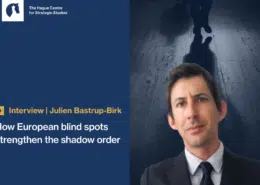 https://hcss.nl/wp-content/uploads/2026/01/Julien-Bastrup-Birk-Interview-Universiteit-Leiden-1.png
572
880
Britt de Cuijper
https://hcss.nl/wp-content/uploads/2021/04/HCSS_Beeldmerk_Blauw_RGB1200-ppi-e1619025866259-300x300.png
Britt de Cuijper2026-01-25 09:32:072026-02-06 16:00:35Julien Bastrup-Birk | How European blind spots strengthen the shadow order
https://hcss.nl/wp-content/uploads/2026/01/Julien-Bastrup-Birk-Interview-Universiteit-Leiden-1.png
572
880
Britt de Cuijper
https://hcss.nl/wp-content/uploads/2021/04/HCSS_Beeldmerk_Blauw_RGB1200-ppi-e1619025866259-300x300.png
Britt de Cuijper2026-01-25 09:32:072026-02-06 16:00:35Julien Bastrup-Birk | How European blind spots strengthen the shadow order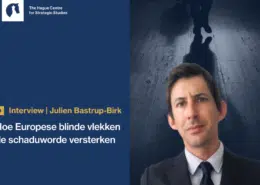 https://hcss.nl/wp-content/uploads/2026/01/Julien-Bastrup-Birk-Interview-Universiteit-Leiden.png
572
880
Britt de Cuijper
https://hcss.nl/wp-content/uploads/2021/04/HCSS_Beeldmerk_Blauw_RGB1200-ppi-e1619025866259-300x300.png
Britt de Cuijper2026-01-23 14:25:022026-02-06 16:00:43Julien Bastrup-Birk | Hoe Europese blinde vlekken de schaduworde versterken
https://hcss.nl/wp-content/uploads/2026/01/Julien-Bastrup-Birk-Interview-Universiteit-Leiden.png
572
880
Britt de Cuijper
https://hcss.nl/wp-content/uploads/2021/04/HCSS_Beeldmerk_Blauw_RGB1200-ppi-e1619025866259-300x300.png
Britt de Cuijper2026-01-23 14:25:022026-02-06 16:00:43Julien Bastrup-Birk | Hoe Europese blinde vlekken de schaduworde versterken https://hcss.nl/wp-content/uploads/2025/12/Het-Beste-uit-BNR-podcast-De-Strateeg-van-2025.png
572
880
Britt de Cuijper
https://hcss.nl/wp-content/uploads/2021/04/HCSS_Beeldmerk_Blauw_RGB1200-ppi-e1619025866259-300x300.png
Britt de Cuijper2025-12-23 12:17:342026-01-06 15:22:21Het Beste van podcast De Strateeg van 2025
https://hcss.nl/wp-content/uploads/2025/12/Het-Beste-uit-BNR-podcast-De-Strateeg-van-2025.png
572
880
Britt de Cuijper
https://hcss.nl/wp-content/uploads/2021/04/HCSS_Beeldmerk_Blauw_RGB1200-ppi-e1619025866259-300x300.png
Britt de Cuijper2025-12-23 12:17:342026-01-06 15:22:21Het Beste van podcast De Strateeg van 2025 https://hcss.nl/wp-content/uploads/2024/02/De-Strateeg-Organised-Crime-Laura-Jasper-Tom-Driessen.png
572
880
Patrick Willemsen
https://hcss.nl/wp-content/uploads/2021/04/HCSS_Beeldmerk_Blauw_RGB1200-ppi-e1619025866259-300x300.png
Patrick Willemsen2025-03-17 09:59:542025-03-17 09:59:55Strategische Vragen | De Strateeg: Hoe geef je de maffia een koekje van eigen deeg?
https://hcss.nl/wp-content/uploads/2025/03/Shadows-of-war-.png
572
880
Stephanie Govaerts
https://hcss.nl/wp-content/uploads/2021/04/HCSS_Beeldmerk_Blauw_RGB1200-ppi-e1619025866259-300x300.png
Stephanie Govaerts2025-03-06 11:51:162025-03-06 12:05:32New Report | In the Shadows of War: The Impact of Russia’s Invasion of Ukraine on Criminal Networks in Eastern Europe
https://hcss.nl/wp-content/uploads/2024/02/De-Strateeg-Organised-Crime-Laura-Jasper-Tom-Driessen.png
572
880
Patrick Willemsen
https://hcss.nl/wp-content/uploads/2021/04/HCSS_Beeldmerk_Blauw_RGB1200-ppi-e1619025866259-300x300.png
Patrick Willemsen2025-03-17 09:59:542025-03-17 09:59:55Strategische Vragen | De Strateeg: Hoe geef je de maffia een koekje van eigen deeg?
https://hcss.nl/wp-content/uploads/2025/03/Shadows-of-war-.png
572
880
Stephanie Govaerts
https://hcss.nl/wp-content/uploads/2021/04/HCSS_Beeldmerk_Blauw_RGB1200-ppi-e1619025866259-300x300.png
Stephanie Govaerts2025-03-06 11:51:162025-03-06 12:05:32New Report | In the Shadows of War: The Impact of Russia’s Invasion of Ukraine on Criminal Networks in Eastern Europe https://hcss.nl/wp-content/uploads/2025/01/Laura-Jasper-NATO-Rapid-Response-Group-Conference-1-1.png
572
880
Patrick Willemsen
https://hcss.nl/wp-content/uploads/2021/04/HCSS_Beeldmerk_Blauw_RGB1200-ppi-e1619025866259-300x300.png
Patrick Willemsen2025-01-31 10:32:002025-02-07 10:31:45Laura Jasper | Looking back at the first NATO Rapid Response Group Conference on countering information threats
https://hcss.nl/wp-content/uploads/2025/01/Laura-Jasper-NATO-Rapid-Response-Group-Conference-1-1.png
572
880
Patrick Willemsen
https://hcss.nl/wp-content/uploads/2021/04/HCSS_Beeldmerk_Blauw_RGB1200-ppi-e1619025866259-300x300.png
Patrick Willemsen2025-01-31 10:32:002025-02-07 10:31:45Laura Jasper | Looking back at the first NATO Rapid Response Group Conference on countering information threats https://hcss.nl/wp-content/uploads/2025/01/De-Strateeg-2024-3.png
572
880
Patrick Willemsen
https://hcss.nl/wp-content/uploads/2021/04/HCSS_Beeldmerk_Blauw_RGB1200-ppi-e1619025866259-300x300.png
Patrick Willemsen2025-01-06 13:18:002025-01-06 14:17:54Het Beste uit podcast De Strateeg van 2024 – Deel 3
https://hcss.nl/wp-content/uploads/2025/01/De-Strateeg-2024-3.png
572
880
Patrick Willemsen
https://hcss.nl/wp-content/uploads/2021/04/HCSS_Beeldmerk_Blauw_RGB1200-ppi-e1619025866259-300x300.png
Patrick Willemsen2025-01-06 13:18:002025-01-06 14:17:54Het Beste uit podcast De Strateeg van 2024 – Deel 3 https://hcss.nl/wp-content/uploads/2025/01/De-Strateeg-2024-2.png
572
880
Patrick Willemsen
https://hcss.nl/wp-content/uploads/2021/04/HCSS_Beeldmerk_Blauw_RGB1200-ppi-e1619025866259-300x300.png
Patrick Willemsen2024-12-26 11:52:172025-01-03 14:17:43Het Beste uit podcast De Strateeg van 2024 – Deel 2
https://hcss.nl/wp-content/uploads/2025/01/De-Strateeg-2024-2.png
572
880
Patrick Willemsen
https://hcss.nl/wp-content/uploads/2021/04/HCSS_Beeldmerk_Blauw_RGB1200-ppi-e1619025866259-300x300.png
Patrick Willemsen2024-12-26 11:52:172025-01-03 14:17:43Het Beste uit podcast De Strateeg van 2024 – Deel 2 https://hcss.nl/wp-content/uploads/2024/12/De-Strateeg-2024-1.png
572
880
Patrick Willemsen
https://hcss.nl/wp-content/uploads/2021/04/HCSS_Beeldmerk_Blauw_RGB1200-ppi-e1619025866259-300x300.png
Patrick Willemsen2024-12-25 15:58:072025-01-03 15:28:32Het Beste uit podcast De Strateeg van 2024 – Deel 1
https://hcss.nl/wp-content/uploads/2024/12/De-Strateeg-2024-1.png
572
880
Patrick Willemsen
https://hcss.nl/wp-content/uploads/2021/04/HCSS_Beeldmerk_Blauw_RGB1200-ppi-e1619025866259-300x300.png
Patrick Willemsen2024-12-25 15:58:072025-01-03 15:28:32Het Beste uit podcast De Strateeg van 2024 – Deel 1 https://hcss.nl/wp-content/uploads/2024/12/Ana-Testimonial.png
572
880
Stephanie Govaerts
https://hcss.nl/wp-content/uploads/2021/04/HCSS_Beeldmerk_Blauw_RGB1200-ppi-e1619025866259-300x300.png
Stephanie Govaerts2024-12-03 13:12:102024-12-03 13:12:12Ana Dadu on Soviet prison tattoos, LinkedIn drone ads, and where her research has gotten her during her time at HCSS
https://hcss.nl/wp-content/uploads/2024/10/Looming-Lethal-snapshot-Giulio-Damiani.png
572
880
Patrick Willemsen
https://hcss.nl/wp-content/uploads/2021/04/HCSS_Beeldmerk_Blauw_RGB1200-ppi-e1619025866259-300x300.png
Patrick Willemsen2024-10-09 11:00:242024-10-09 11:04:52New snapshot: Operational implications of drone use by Mexican Organized Crime Groups
https://hcss.nl/wp-content/uploads/2024/02/De-Strateeg-Organised-Crime-Laura-Jasper-Tom-Driessen.png
572
880
Patrick Willemsen
https://hcss.nl/wp-content/uploads/2021/04/HCSS_Beeldmerk_Blauw_RGB1200-ppi-e1619025866259-300x300.png
Patrick Willemsen2024-09-30 08:49:262024-09-30 08:49:27Strategische Vragen | De Strateeg: Kunnen we de georganiseerde misdaad nog in de kiem smoren?
https://hcss.nl/wp-content/uploads/2024/12/Ana-Testimonial.png
572
880
Stephanie Govaerts
https://hcss.nl/wp-content/uploads/2021/04/HCSS_Beeldmerk_Blauw_RGB1200-ppi-e1619025866259-300x300.png
Stephanie Govaerts2024-12-03 13:12:102024-12-03 13:12:12Ana Dadu on Soviet prison tattoos, LinkedIn drone ads, and where her research has gotten her during her time at HCSS
https://hcss.nl/wp-content/uploads/2024/10/Looming-Lethal-snapshot-Giulio-Damiani.png
572
880
Patrick Willemsen
https://hcss.nl/wp-content/uploads/2021/04/HCSS_Beeldmerk_Blauw_RGB1200-ppi-e1619025866259-300x300.png
Patrick Willemsen2024-10-09 11:00:242024-10-09 11:04:52New snapshot: Operational implications of drone use by Mexican Organized Crime Groups
https://hcss.nl/wp-content/uploads/2024/02/De-Strateeg-Organised-Crime-Laura-Jasper-Tom-Driessen.png
572
880
Patrick Willemsen
https://hcss.nl/wp-content/uploads/2021/04/HCSS_Beeldmerk_Blauw_RGB1200-ppi-e1619025866259-300x300.png
Patrick Willemsen2024-09-30 08:49:262024-09-30 08:49:27Strategische Vragen | De Strateeg: Kunnen we de georganiseerde misdaad nog in de kiem smoren? https://hcss.nl/wp-content/uploads/2024/10/Laura-Jasper-13th-EDEN-Europol-Conference-1.png
572
880
Patrick Willemsen
https://hcss.nl/wp-content/uploads/2021/04/HCSS_Beeldmerk_Blauw_RGB1200-ppi-e1619025866259-300x300.png
Patrick Willemsen2024-09-24 10:22:002024-10-31 10:27:15EDEN Europol Conference | Laura Jasper: Unveiling the Disinformation Paradox
https://hcss.nl/wp-content/uploads/2024/02/De-Strateeg-Organised-Crime-Laura-Jasper-Tom-Driessen.png
572
880
Patrick Willemsen
https://hcss.nl/wp-content/uploads/2021/04/HCSS_Beeldmerk_Blauw_RGB1200-ppi-e1619025866259-300x300.png
Patrick Willemsen2024-09-23 21:06:002024-09-25 14:49:09De Strateeg: De georganiseerde misdaad maakt gebruik van de oorlog in Oekraïne
https://hcss.nl/wp-content/uploads/2024/10/Laura-Jasper-13th-EDEN-Europol-Conference-1.png
572
880
Patrick Willemsen
https://hcss.nl/wp-content/uploads/2021/04/HCSS_Beeldmerk_Blauw_RGB1200-ppi-e1619025866259-300x300.png
Patrick Willemsen2024-09-24 10:22:002024-10-31 10:27:15EDEN Europol Conference | Laura Jasper: Unveiling the Disinformation Paradox
https://hcss.nl/wp-content/uploads/2024/02/De-Strateeg-Organised-Crime-Laura-Jasper-Tom-Driessen.png
572
880
Patrick Willemsen
https://hcss.nl/wp-content/uploads/2021/04/HCSS_Beeldmerk_Blauw_RGB1200-ppi-e1619025866259-300x300.png
Patrick Willemsen2024-09-23 21:06:002024-09-25 14:49:09De Strateeg: De georganiseerde misdaad maakt gebruik van de oorlog in Oekraïne https://hcss.nl/wp-content/uploads/2024/08/De-Strateeg.png
572
880
Stephanie Govaerts
https://hcss.nl/wp-content/uploads/2021/04/HCSS_Beeldmerk_Blauw_RGB1200-ppi-e1619025866259-300x300.png
Stephanie Govaerts2024-09-02 13:53:262024-09-18 10:11:54Strategische Vragen | De Strateeg: ‘Waarin verschillen statelijke actoren en georganiseerde misdaad?’
https://hcss.nl/wp-content/uploads/2024/08/De-Strateeg.png
572
880
Stephanie Govaerts
https://hcss.nl/wp-content/uploads/2021/04/HCSS_Beeldmerk_Blauw_RGB1200-ppi-e1619025866259-300x300.png
Stephanie Govaerts2024-08-26 11:41:362024-09-18 10:12:15De Strateeg: ‘De vervagende grens tussen de georganiseerde misdaad en staten’
https://hcss.nl/wp-content/uploads/2024/02/De-Strateeg-Organised-Crime-Laura-Jasper-Tom-Driessen.png
572
880
Patrick Willemsen
https://hcss.nl/wp-content/uploads/2021/04/HCSS_Beeldmerk_Blauw_RGB1200-ppi-e1619025866259-300x300.png
Patrick Willemsen2024-05-13 08:48:262024-09-18 10:12:28Strategische Vragen | De Strateeg: Speelt gedoogbeleid ondermijning in de kaart?
https://hcss.nl/wp-content/uploads/2024/02/De-Strateeg-Organised-Crime-Laura-Jasper-Tom-Driessen.png
572
880
Patrick Willemsen
https://hcss.nl/wp-content/uploads/2021/04/HCSS_Beeldmerk_Blauw_RGB1200-ppi-e1619025866259-300x300.png
Patrick Willemsen2024-05-06 10:37:112025-11-19 14:05:45De Strateeg: ‘Overheid moet veel meer ondernemen tegen ondermijning bij bedrijven’
https://hcss.nl/wp-content/uploads/2024/02/De-Strateeg-Organised-Crime-Laura-Jasper-Tom-Driessen.png
572
880
Patrick Willemsen
https://hcss.nl/wp-content/uploads/2021/04/HCSS_Beeldmerk_Blauw_RGB1200-ppi-e1619025866259-300x300.png
Patrick Willemsen2024-05-06 09:45:542024-09-18 10:13:07De Strateeg: Ondermijning aanpakken doe je internationaal
https://hcss.nl/wp-content/uploads/2024/02/De-Strateeg-Organised-Crime-Laura-Jasper-Tom-Driessen.png
572
880
Patrick Willemsen
https://hcss.nl/wp-content/uploads/2021/04/HCSS_Beeldmerk_Blauw_RGB1200-ppi-e1619025866259-300x300.png
Patrick Willemsen2024-02-19 09:46:422024-09-18 10:13:22Strategische Vragen | De Strateeg: Kan iedereen makkelijk het criminele milieu inrollen?
https://hcss.nl/wp-content/uploads/2024/02/De-Strateeg-Organised-Crime-Laura-Jasper-Tom-Driessen.png
572
880
Patrick Willemsen
https://hcss.nl/wp-content/uploads/2021/04/HCSS_Beeldmerk_Blauw_RGB1200-ppi-e1619025866259-300x300.png
Patrick Willemsen2024-02-12 09:08:442025-11-19 13:58:24De Strateeg: Hoe de georganiseerde misdaad de samenleving steeds verder ondermijnt
https://hcss.nl/wp-content/uploads/2024/08/De-Strateeg.png
572
880
Stephanie Govaerts
https://hcss.nl/wp-content/uploads/2021/04/HCSS_Beeldmerk_Blauw_RGB1200-ppi-e1619025866259-300x300.png
Stephanie Govaerts2024-09-02 13:53:262024-09-18 10:11:54Strategische Vragen | De Strateeg: ‘Waarin verschillen statelijke actoren en georganiseerde misdaad?’
https://hcss.nl/wp-content/uploads/2024/08/De-Strateeg.png
572
880
Stephanie Govaerts
https://hcss.nl/wp-content/uploads/2021/04/HCSS_Beeldmerk_Blauw_RGB1200-ppi-e1619025866259-300x300.png
Stephanie Govaerts2024-08-26 11:41:362024-09-18 10:12:15De Strateeg: ‘De vervagende grens tussen de georganiseerde misdaad en staten’
https://hcss.nl/wp-content/uploads/2024/02/De-Strateeg-Organised-Crime-Laura-Jasper-Tom-Driessen.png
572
880
Patrick Willemsen
https://hcss.nl/wp-content/uploads/2021/04/HCSS_Beeldmerk_Blauw_RGB1200-ppi-e1619025866259-300x300.png
Patrick Willemsen2024-05-13 08:48:262024-09-18 10:12:28Strategische Vragen | De Strateeg: Speelt gedoogbeleid ondermijning in de kaart?
https://hcss.nl/wp-content/uploads/2024/02/De-Strateeg-Organised-Crime-Laura-Jasper-Tom-Driessen.png
572
880
Patrick Willemsen
https://hcss.nl/wp-content/uploads/2021/04/HCSS_Beeldmerk_Blauw_RGB1200-ppi-e1619025866259-300x300.png
Patrick Willemsen2024-05-06 10:37:112025-11-19 14:05:45De Strateeg: ‘Overheid moet veel meer ondernemen tegen ondermijning bij bedrijven’
https://hcss.nl/wp-content/uploads/2024/02/De-Strateeg-Organised-Crime-Laura-Jasper-Tom-Driessen.png
572
880
Patrick Willemsen
https://hcss.nl/wp-content/uploads/2021/04/HCSS_Beeldmerk_Blauw_RGB1200-ppi-e1619025866259-300x300.png
Patrick Willemsen2024-05-06 09:45:542024-09-18 10:13:07De Strateeg: Ondermijning aanpakken doe je internationaal
https://hcss.nl/wp-content/uploads/2024/02/De-Strateeg-Organised-Crime-Laura-Jasper-Tom-Driessen.png
572
880
Patrick Willemsen
https://hcss.nl/wp-content/uploads/2021/04/HCSS_Beeldmerk_Blauw_RGB1200-ppi-e1619025866259-300x300.png
Patrick Willemsen2024-02-19 09:46:422024-09-18 10:13:22Strategische Vragen | De Strateeg: Kan iedereen makkelijk het criminele milieu inrollen?
https://hcss.nl/wp-content/uploads/2024/02/De-Strateeg-Organised-Crime-Laura-Jasper-Tom-Driessen.png
572
880
Patrick Willemsen
https://hcss.nl/wp-content/uploads/2021/04/HCSS_Beeldmerk_Blauw_RGB1200-ppi-e1619025866259-300x300.png
Patrick Willemsen2024-02-12 09:08:442025-11-19 13:58:24De Strateeg: Hoe de georganiseerde misdaad de samenleving steeds verder ondermijnt https://hcss.nl/wp-content/uploads/2023/11/Tom-Driessen-Strategic-Advisor-Organised-Crime-Policing.png
572
880
Patrick Willemsen
https://hcss.nl/wp-content/uploads/2021/04/HCSS_Beeldmerk_Blauw_RGB1200-ppi-e1619025866259-300x300.png
Patrick Willemsen2024-01-01 15:45:002024-01-02 13:55:46Tom Driessen joins HCSS as Strategic Advisor Organized Crime & Policing
https://hcss.nl/wp-content/uploads/2023/05/Next-Generation-Organised-Crime-politie-monitor.png
572
880
Patrick Willemsen
https://hcss.nl/wp-content/uploads/2021/04/HCSS_Beeldmerk_Blauw_RGB1200-ppi-e1619025866259-300x300.png
Patrick Willemsen2023-05-15 08:30:002023-05-15 08:42:01New report | Next Generation Organised Crime
https://hcss.nl/wp-content/uploads/2023/11/Tom-Driessen-Strategic-Advisor-Organised-Crime-Policing.png
572
880
Patrick Willemsen
https://hcss.nl/wp-content/uploads/2021/04/HCSS_Beeldmerk_Blauw_RGB1200-ppi-e1619025866259-300x300.png
Patrick Willemsen2024-01-01 15:45:002024-01-02 13:55:46Tom Driessen joins HCSS as Strategic Advisor Organized Crime & Policing
https://hcss.nl/wp-content/uploads/2023/05/Next-Generation-Organised-Crime-politie-monitor.png
572
880
Patrick Willemsen
https://hcss.nl/wp-content/uploads/2021/04/HCSS_Beeldmerk_Blauw_RGB1200-ppi-e1619025866259-300x300.png
Patrick Willemsen2023-05-15 08:30:002023-05-15 08:42:01New report | Next Generation Organised Crime https://hcss.nl/wp-content/uploads/2022/10/HCSS-website-2022-880x572-pixels-51.png
572
880
login@hcss-site
https://hcss.nl/wp-content/uploads/2021/04/HCSS_Beeldmerk_Blauw_RGB1200-ppi-e1619025866259-300x300.png
login@hcss-site2022-10-11 14:00:002024-06-18 14:24:26Laura Jasper joins HCSS as new Strategic Analyst
https://hcss.nl/wp-content/uploads/2022/10/HCSS-website-2022-880x572-pixels-51.png
572
880
login@hcss-site
https://hcss.nl/wp-content/uploads/2021/04/HCSS_Beeldmerk_Blauw_RGB1200-ppi-e1619025866259-300x300.png
login@hcss-site2022-10-11 14:00:002024-06-18 14:24:26Laura Jasper joins HCSS as new Strategic AnalystHCSS Project Team
Link to: Laura Jasper

Laura Jasper
Strategic Analyst
HCSSLink to: Tom Driessen

Tom Driessen
Strategic Advisor
HCSSLink to: Julien Bastrup-Birk

Julien Bastrup-Birk
Strategic Advisor
HCSS