On May 12, HCSS hosted the launch event for its new report No Fuel, No Fight: The Dutch Fuel Industry and European Military Readiness, discussing the findings of research conducted on behalf of VEMOBIN (the Association Energy for Mobility and Industry).
The report by Irina Patrahau, Ron Stoop and Lucia van Geuns warns that Europe’s fuel system is not prepared for sustained crisis or high-intensity conflict. Declining refining capacity and growing dependence on imports are creating a structural mismatch between fuel supply and military demand. In the conflict scenario examined in the report, aviation fuel shortages in the EU could reach up to 24%, with even larger shortfalls in the Netherlands.
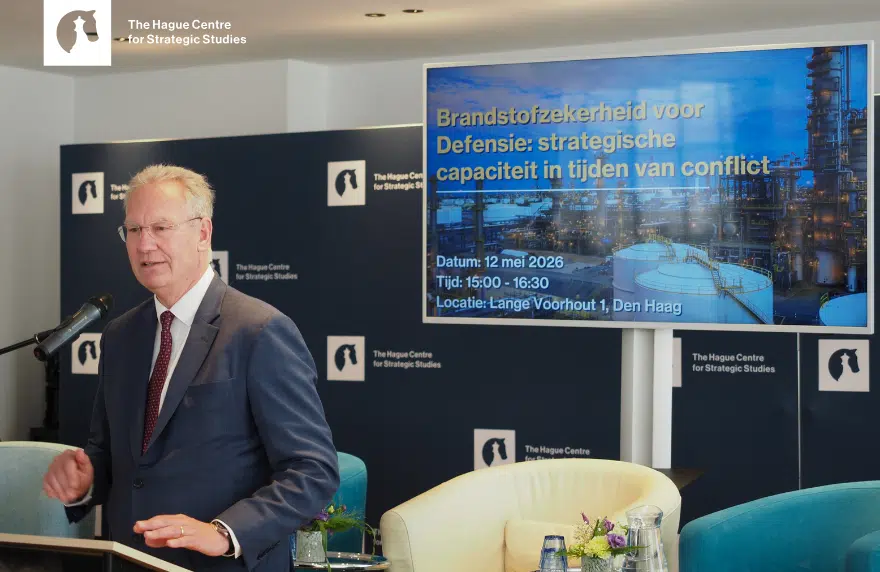
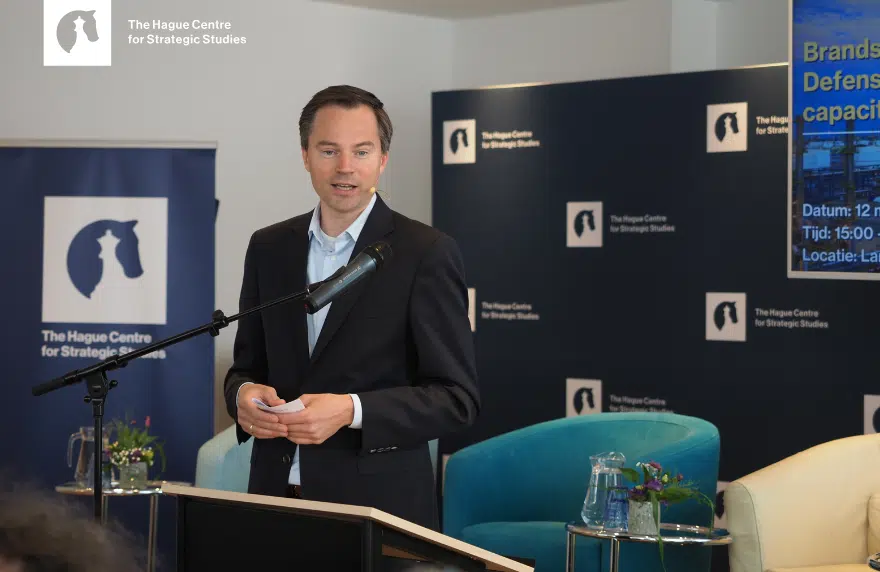
After a word of welcome and opening by HCSS deputy director Michel Rademaker and Director of VEMOBIN Jan-Willem van den Beukel, State Secretary for Defence Derk Boswijk delivered the keynote address, reflecting on the growing importance of fuel security for military readiness and resilience in an increasingly unstable geopolitical environment.
“The energy transition is the opportunity we must seize to reduce dependency and meet our climate goals, and Defence is fully committed to that transition,” said State Secretary Boswijk. “At the same time, we must guarantee security of supply today. The threat is big and real, and ultimately it is indeed: No Fuel, No Fight. Our first priority must always be delivering combat power.”
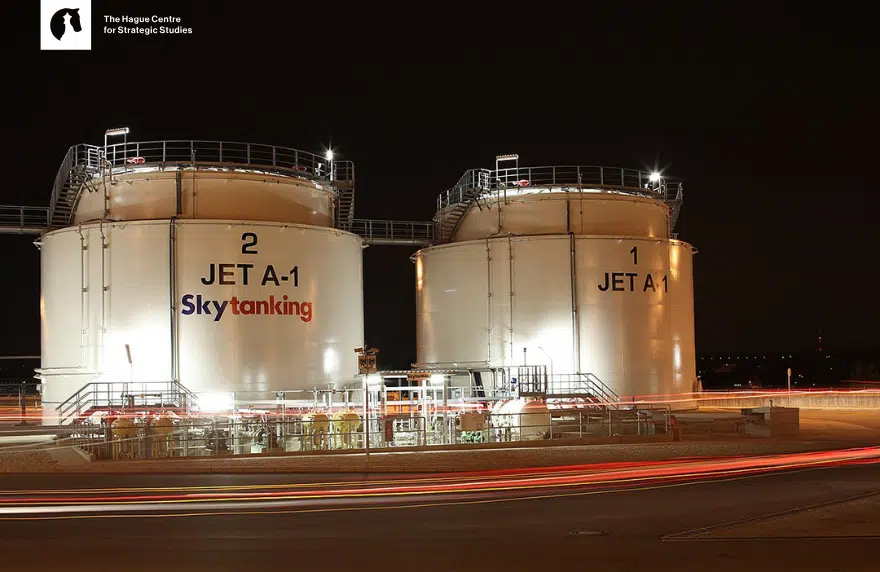
As geopolitical tensions continue to rise, fuel security is becoming an increasingly urgent strategic issue. Modern armed forces remain heavily dependent on liquid fuels such as kerosene and diesel, while the Dutch refining sector plays a central role in European fuel supply chains and NATO logistics. At the same time, the energy transition is reshaping Europe’s energy system, raising difficult questions but also opportunities for resilience, strategic autonomy, and long-term security of supply.
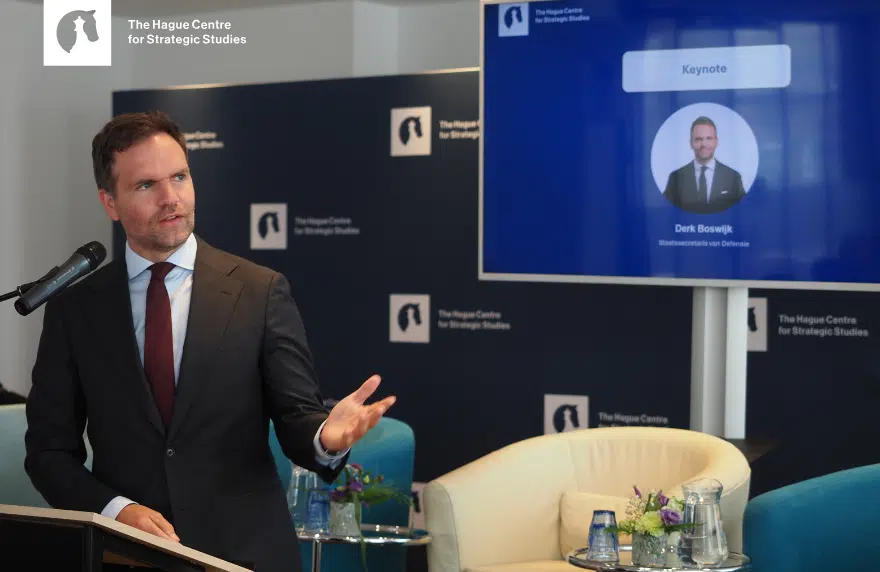
“As Defence, we are taking measures. We are replenishing our reserves and critically assessing our consumption. We are building sustainable facilities with solar panels and energy storage, while also exploring the potential of small-scale nuclear reactors that could benefit surrounding communities as well,” State Secretary Boswijk continued.
“At the same time, we need to engage with the energy sector about what is necessary and feasible in times of conflict. Within NATO and the EU, military mobility is now firmly high on the agenda.”
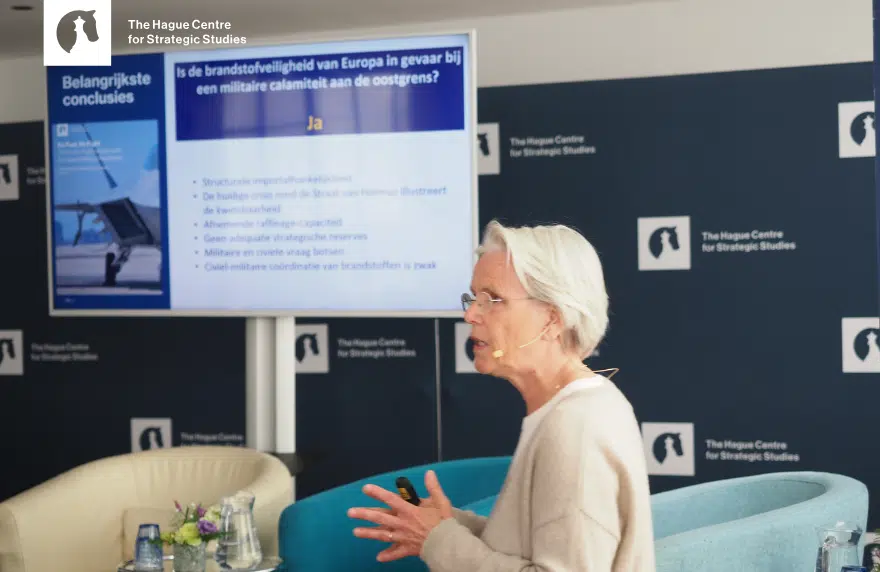
During the event, HCSS analysts Lucia van Geuns, Irina Patrahau and Ron Stoop presented the report’s findings and recommendations, including five priorities to strengthen fuel resilience across the Netherlands, the EU, and NATO.
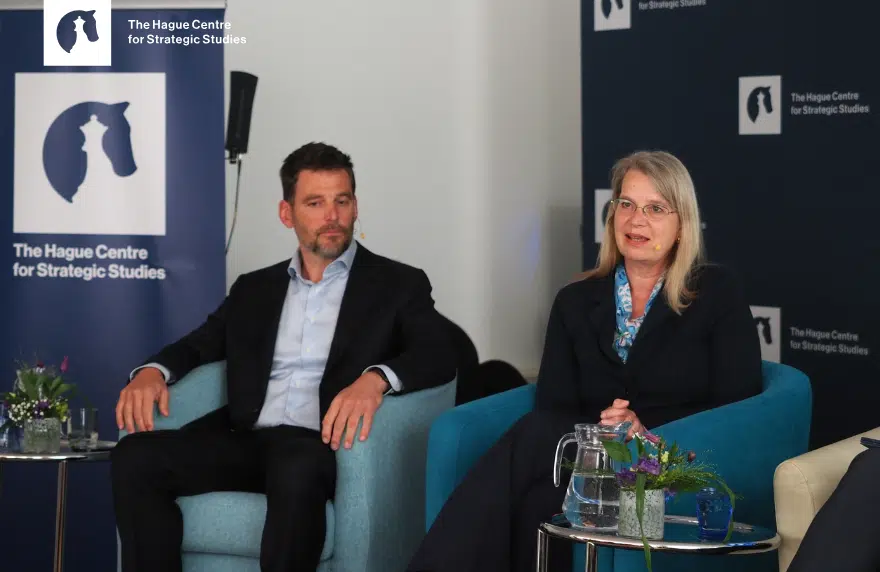
“Fuel security needs political ownership in the Netherlands and the EU. We therefore call for the appointment of a dedicated national fuel security representative, tasked with bridging civil and military planning and championing a unified European response to this challenge,” lead author Irina Patrahau, Chair of the Energy Security and Critical Minerals initiatives at HCSS, urged the audience.
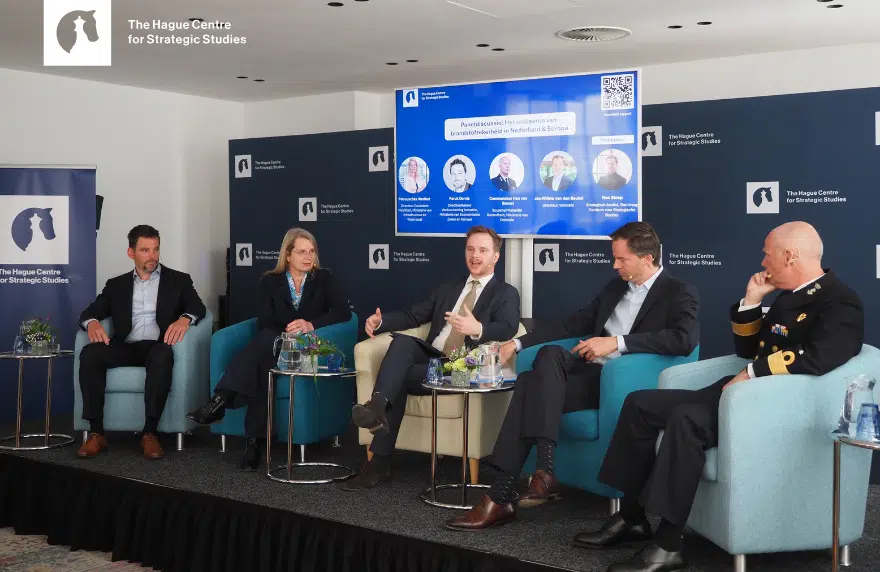
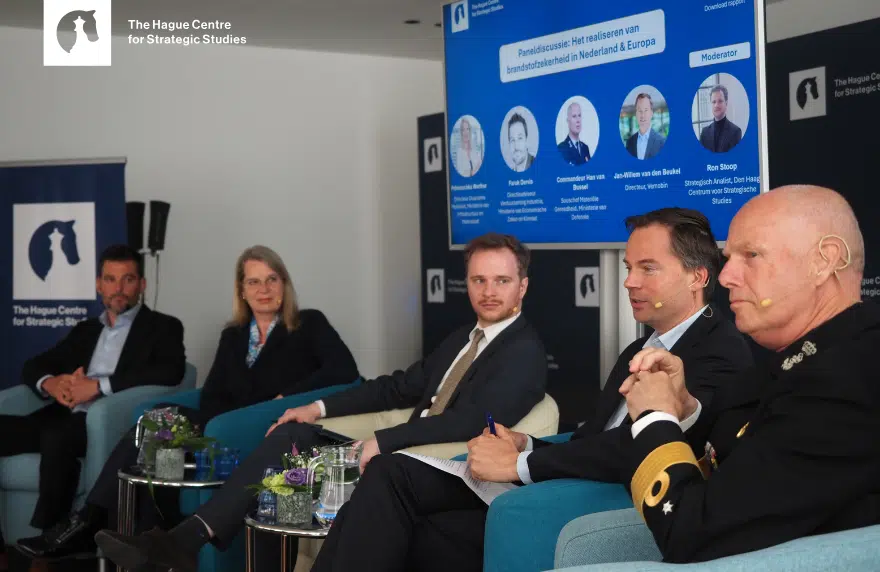
The keynote was followed by a panel discussion moderated by HCSS strategic analyst Ron Stoop on achieving fuel security in the Netherlands and Europe. Participants included Petrouschka Werther (Ministry of Infrastructure and Water Management), Faruk Dervis (Ministry of Economic Affairs and Climate Policy), Commander Han van Bussel (Ministry of Defence), and Jan-Willem van den Beukel (VEMOBIN).
“This report demonstrates that existing Dutch refining capacity, together with its expansion through increased biofuel production, is crucial for ensuring fuel supply security for both the European economy and defence in the event of war,” said Jan-Willem van den Beukel, Director of VEMOBIN.
“This study makes that crystal clear, if the Iran crisis had not already done so by itself. The Dutch government and parliament would be wise to adopt the report’s five recommendations and, both nationally and at the European level, develop and protect this vital energy infrastructure against fragmented policy and unfair competition.”
The Netherlands faces even greater pressure compared to the rest of Europe due to its role as a NATO Host Nation. In a full-scale conflict, up to 35 percent of Dutch aviation fuel demand and 13 percent of Dutch road fuel demand would remain unmet. At the same time, the country would be expected to support allied forces moving through Europe, placing additional strain on its infrastructure. The authors warn that constraints in military fuel supply chains will inevitably spill over into civilian markets as well.
“If we want to be serious about deterrence, we need to be serious about fuel for our Armed Forces,” commented Nico Tak, retired three-star general and HCSS Strategic Advisor. “Once again, this report demonstrates that Deterrence and Defence are ‘Whole of Society’ efforts.”
“Europe risks preparing for conflict with a fuel system that would struggle to sustain it,” said Tom Middendorp, retired four-star general and former Chief of Defence of the Netherlands. “We need to accelerate the energy transition to strengthen our energy security, while acknowledging that our current resilience still relies on the existing system. That creates a critical balancing act: the transition must reduce dependencies and vulnerabilities, not introduce new ones.”
Fuel is no longer just an energy issue. It is a security issue.
The full report can be downloaded from the HCSS website here.
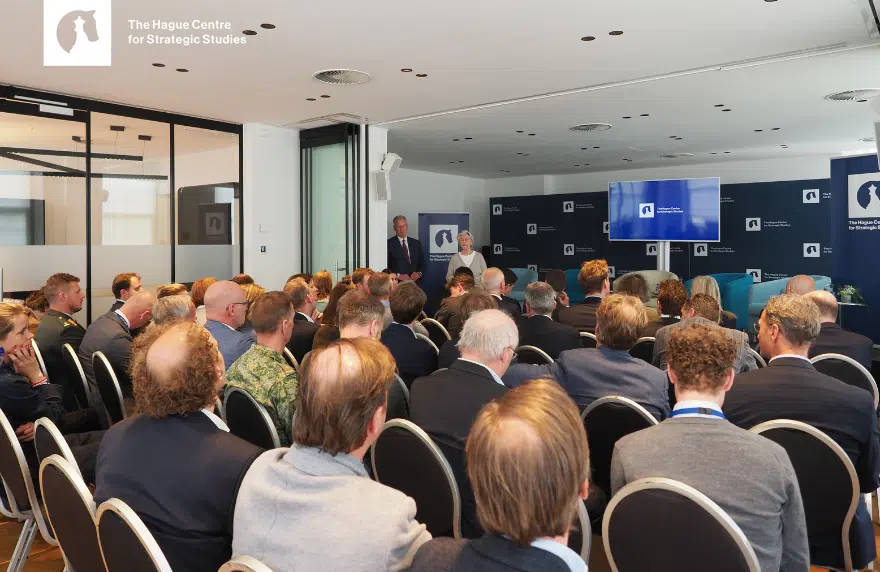
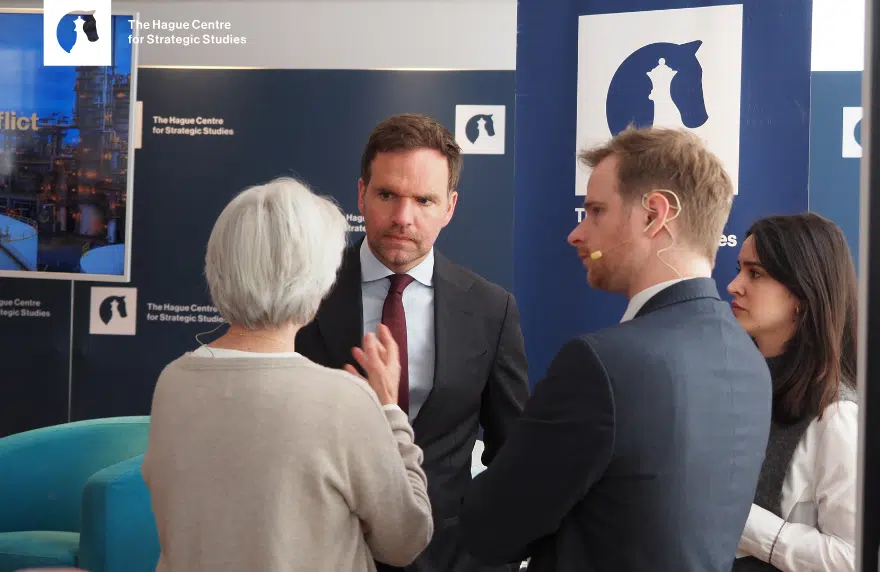
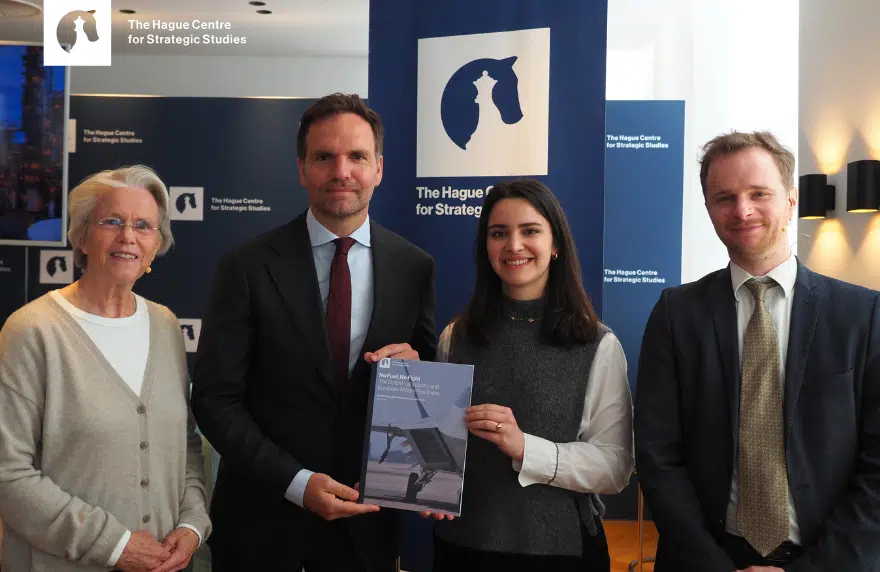
HCSS researchers Lucia van Geuns, Irina Patrahau and Ron Stoop hand over “No Fuel, No Fight” to State Secretary for Defence Derk Boswijk, during the presentation of the report’s findings, on May 12, 2026.




Related Content