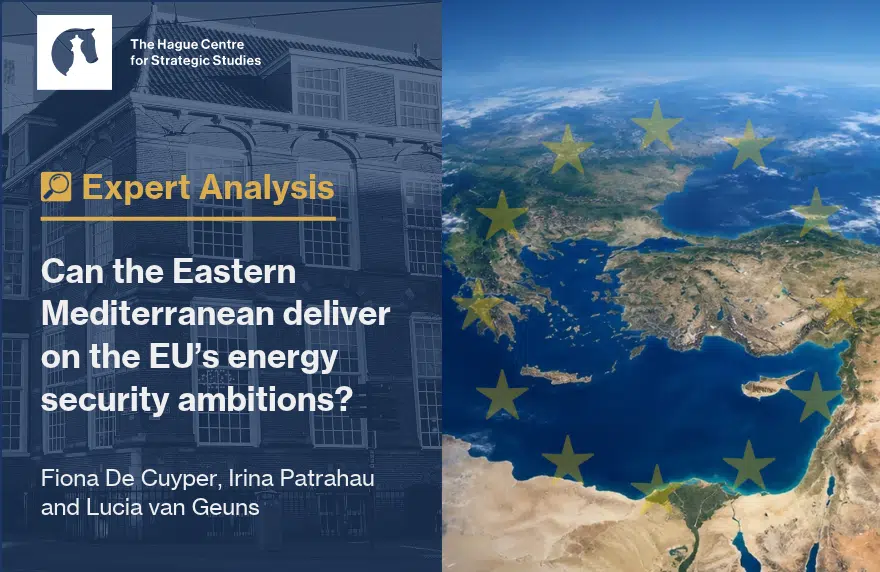
Expert Analysis | Can the Eastern Mediterranean deliver on the EU’s energy security ambitions?
The Eastern Mediterranean could play an important role in strengthening the EU’s energy security, but its potential comes with significant geopolitical risks. While new gas developments in Israel and Cyprus and existing LNG infrastructure offer opportunities for diversification, unresolved maritime disputes, regional rivalries and competing security interests threaten investment and cooperation. The EU faces a strategic dilemma: should energy development drive political cooperation, or must political cooperation come first? Fiona De Cuyper, Irina Patrahau and Lucia van Geuns explore three possible pathways and outline how the EU can help shape a more stable future.
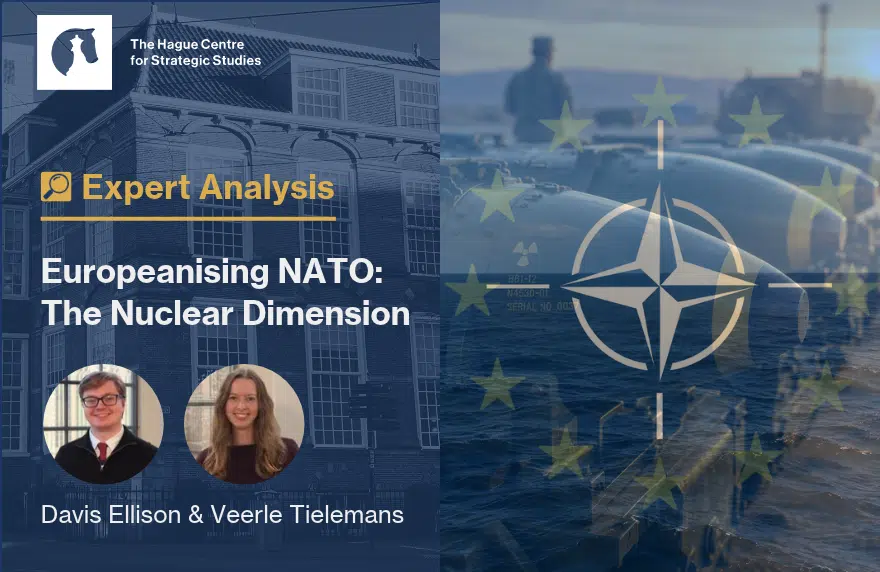
Expert Analysis | Europeanising NATO: The Nuclear Dimension
As Europe reassesses its security architecture amid growing uncertainty over the US nuclear umbrella, HCSS analysts Davis Ellison and Veerle Tielemans argue that European states must develop a more independent approach to nuclear deterrence. Originally published by Estonia’s International Centre for Defence and Security (ICDS), their analysis examines the roles of British and French nuclear arsenals, the limitations of minimum deterrence, and the challenges posed by Russia. They make the case for stronger European coordination, combining credible deterrence with crisis communication, reassurance and de-escalation to strengthen European security and prevent future escalation.
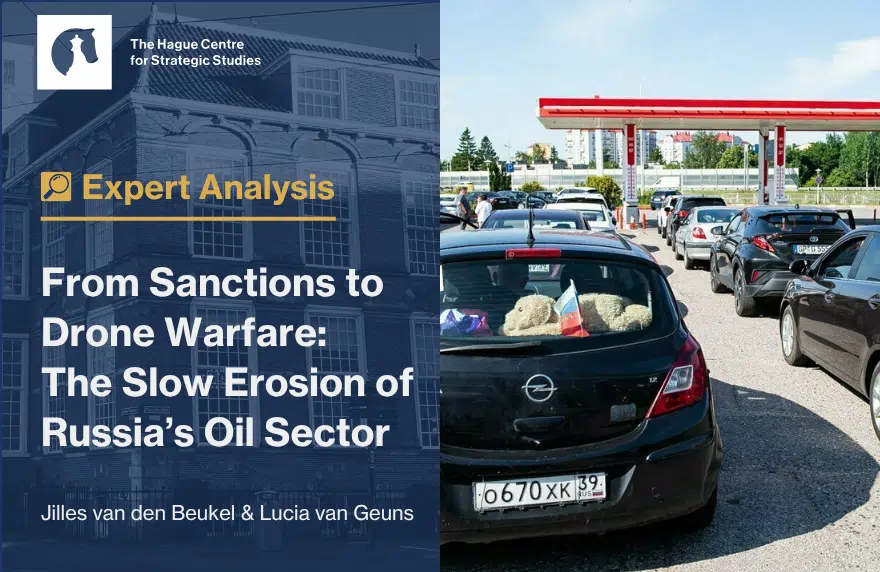
Expert Analysis | From Sanctions to Drone Warfare: The Slow Erosion of Russia’s Oil Sector
Russia’s oil sector remains resilient, but its strategic foundations are weakening, HCSS energy specialists Jilles van den Beukel and Lucia van Geuns write in a new Expert Analysis. Sanctions have not stopped exports, yet they have increased costs, reduced efficiency and constrained access to technology and investment. Ukraine’s sustained strikes on refineries add direct pressure on the infrastructure converting crude into higher-value products. Maintaining effective sanctions enforcement, limiting access to critical technologies and sustaining pressure on Russia’s energy infrastructure can gradually reduce the profitability and fiscal capacity underpinning the war effort, the authors conclude.