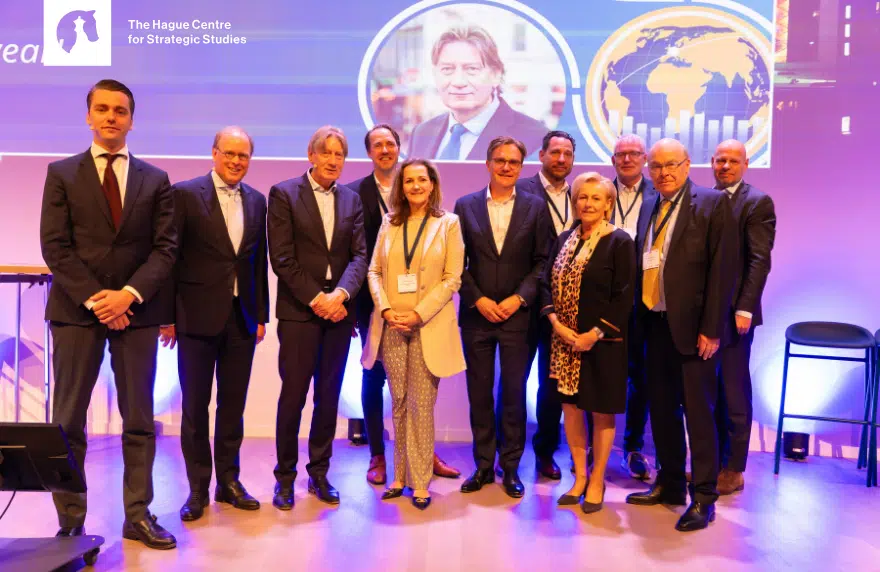
Tweede World Trade Day | Verschuivende machtsblokken zorgt voor nieuwe realiteit voor Europa
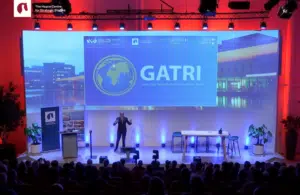
Tijdens de tweede World Trade Day in Eindhoven schetsten Rob de Wijk en Jesse Kommandeur een wereld waarin geopolitieke spanningen steeds grotere gevolgen hebben voor Europa, internationale handel en het bedrijfsleven. De Wijk analyseerde de verschuivende machtsverhoudingen tussen de VS, China, Rusland en Europa en benadrukte de noodzaak van meer Europese strategische autonomie. Kommandeur presenteerde de Geopolitical Annual Trade Risk Index (GATRI), die laat zien hoe diplomatieke, militaire en economische ontwikkelingen handelsrisico’s beïnvloeden. De centrale boodschap: Europa moet sneller handelen, investeren en zich aanpassen aan een fundamenteel veranderende wereldorde.
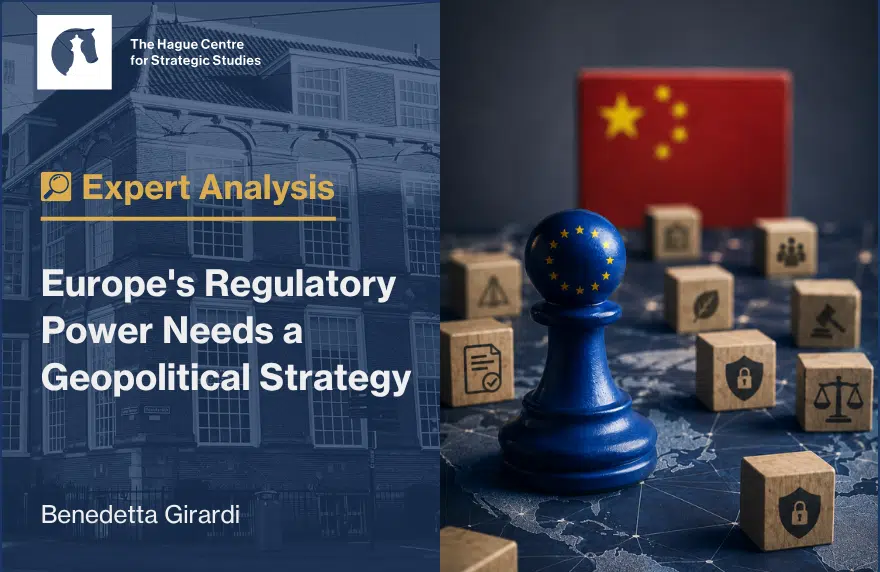
Expert Analysis | Europe’s Regulatory Power Needs a Geopolitical Strategy
As global competition intensifies over technology standards, supply chains, and digital governance, the European Union finds itself in a paradoxical position: it remains the world’s most influential regulatory power, yet continues to treat this influence largely as a by-product of governance rather than a tool of geopolitical strategy. While Brussels has successfully exported its rules across areas such as data protection, sustainability, and competition policy, other major powers are increasingly leveraging regulatory frameworks and standard-setting processes as instruments of statecraft. Drawing on China’s strategic use of legal and regulatory influence, Benedetta Girardi argues that the EU must begin viewing its regulatory power as a geopolitical asset if it wants to preserve and advance its position in an increasingly contested international order.
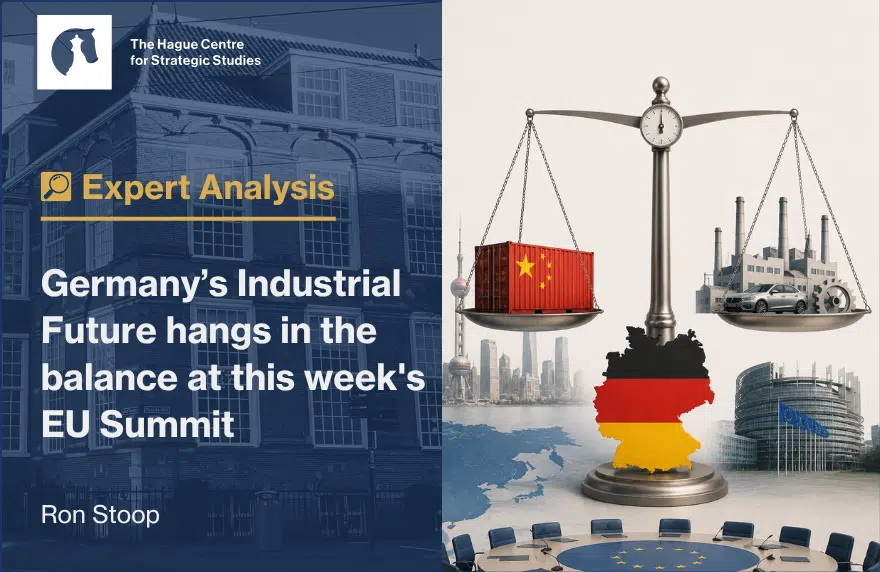
Expert Analysis | Germany’s Industrial Future hangs in the balance at this week’s EU Summit
As EU leaders gather in Brussels to discuss trade policy, Germany finds itself caught between dependence on China and the growing costs of economic engagement. While German industries remain deeply tied to the Chinese market, China's push for domestic alternatives and growing competitiveness in high-tech manufacturing are eroding the benefits of this relationship. With Germany's key industrial sectors now running trade deficits and political pressures mounting at home, Berlin's choices will shape not only its own future but also the direction of EU trade policy.