

As the festive season draws near, we’re delighted to show our appreciation to the HCSS’ dedicated followers by sharing a selection of standout books. Each year, our staff and interns gather their favorites to create a carefully chosen list of handpicked books perfect for a cosy winter reading.
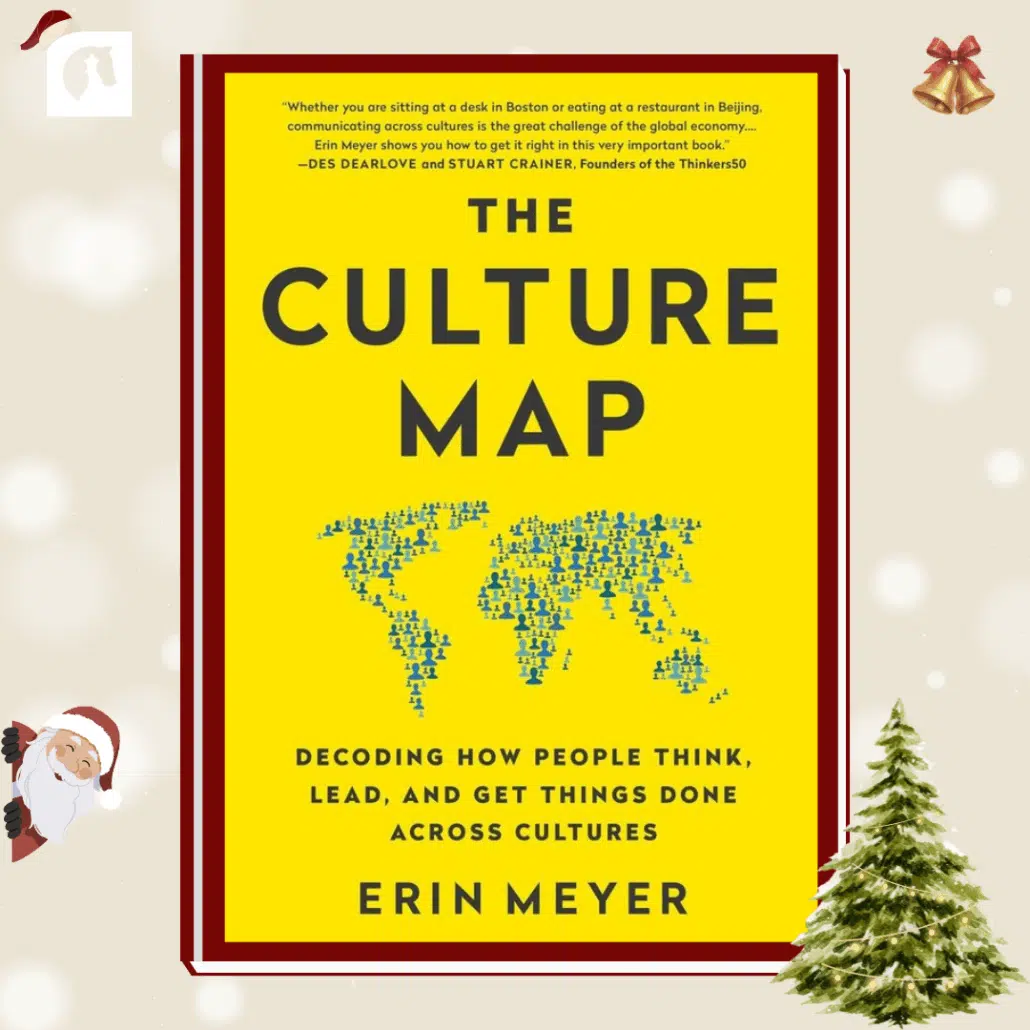
Deputy Executive Director Michel Rademaker recommends The Culture Map by Erin Meyer.
Erin Meyer, a professor at INSEAD business school, created a model to help global leaders and teams understand how cultural differences impact international business interactions. The framework uses eight scales to position different cultures along a continuum for various business behaviors.
Finally understand how you could be more effective in different cultures
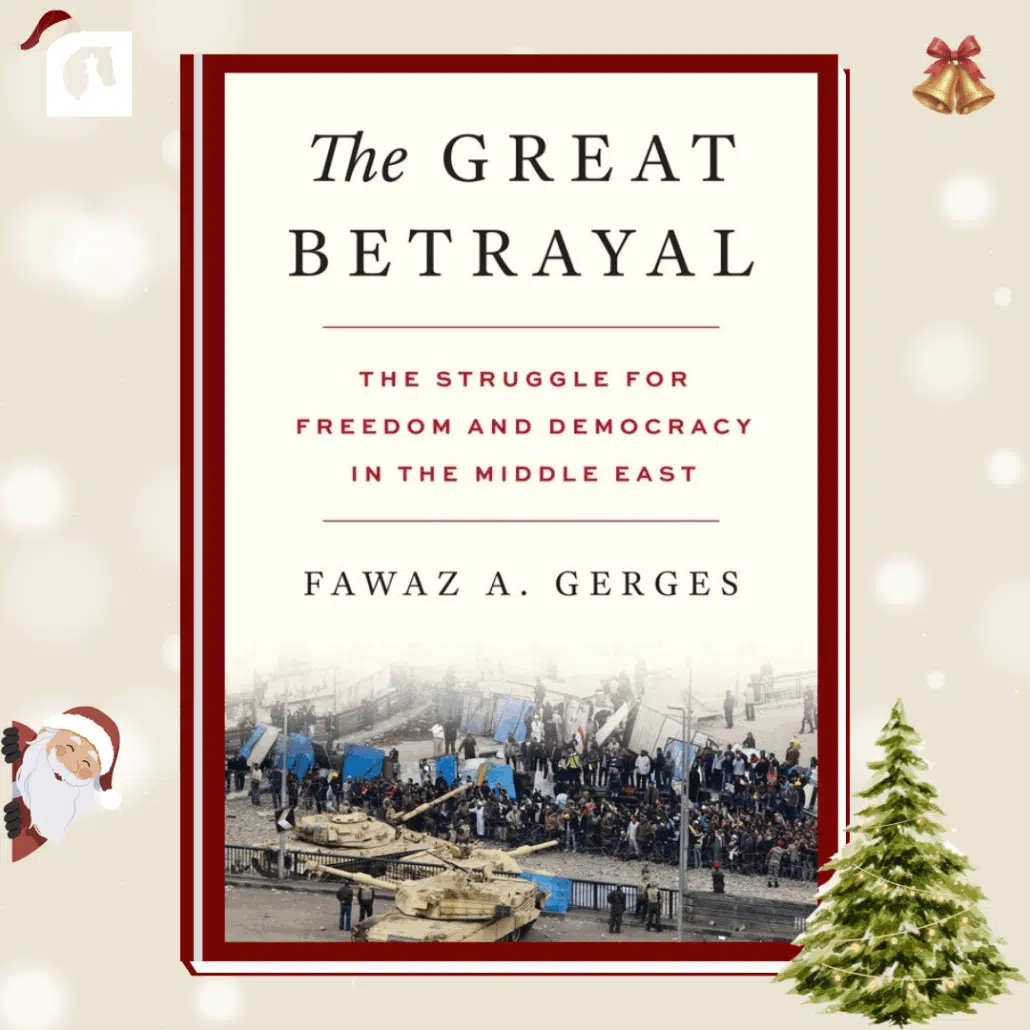
Assistant Analyst Michelle Reitano recommends The Great Betrayal: The Struggle for Freedom and Democracy in the Middle East by Fawaz A. Gerges
Fawaz A. Gerges, Professor of International Relations at LSE, explores the reasons behind authoritarian resilience in the Middle East. He argues that the powerful partnership between Western governments and Middle Eastern authoritarian elites in convergence with protracted conflicts and economic stagnation has prevented the development of democracy in the region. From the fall of the Ottoman Empire to the Arab Spring, Prof. Gerges examines the complexity of authoritarian rule in the region and the demands from the youth for their voices to be heard.
In a time of historical developments in the region, The Great Betrayal is an accessible read for those eager to understand more about the Middle East and how we reached the place where we are today.
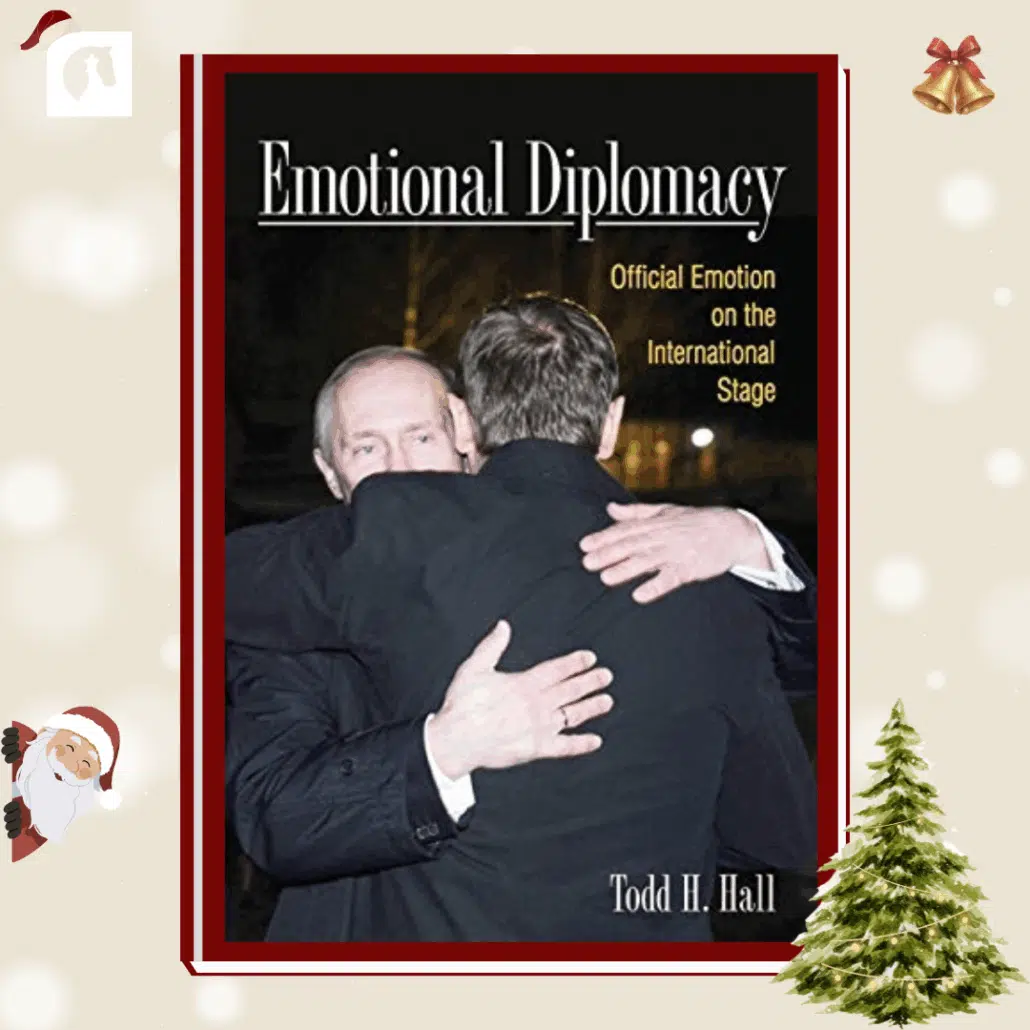
Assistant Analyst Alexander Krabbendam recommends Emotional Diplomacy: Official Emotion on the International Stage by Todd H. Hall.
Really interesting read on how emotions are used strategically by actors on the international stage to achieve political goals. Hall explores how the emotions of anger, sympathy, and guilt have been used purposefully in cases ranging from the Russian reaction to the death of Lech Kaczyński to FRG-Israeli relations post WW2. The book expands on the ‘emotional turn’ taking place in IR literature, and offers novel conclusions on how we should study the role of emotions in IR.
HR Advisor Daniella Kranendonk recommends Het Grote Gesprekkenboek by Jacco van den Berg
It’s a practical and inspiring guide for HR professionals who conduct a wide variety of conversations daily.
Updated for today’s work environment, it’s packed with tips, tools and practical steps, and it covers everything from onboarding and feedback to coaching, performance reviews and difficult conversations.


Assistant Analyst Alessandro Dell’Orto recommends V13 by Emmanuel Carrère.
Emmanuel Carrère’s account of the trial for the Paris terrorist attacks, which happened exactly 10 years ago in November 2015. Carrère followed this trial as a journalist for nine months, from its first day to its last, and narrates the stories of the attackers, the victims, the survivors, the prosecutors, and the responders. It’s an intense read, both brutal and delicate at the same time, that reflects on suffering, evil, and radicalization, but also justice and reconciliation. It is a very rigorous journalistic report, and a deep personal and collective story.
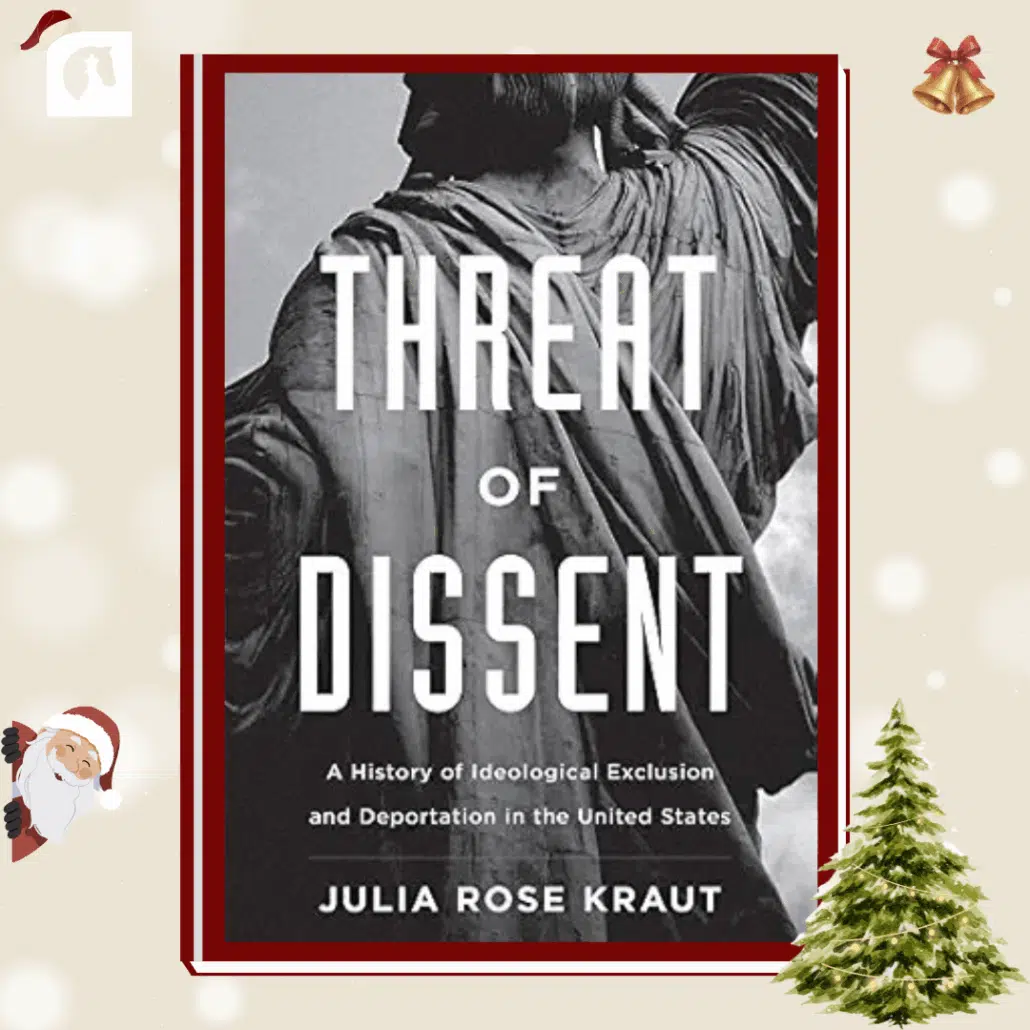
Strategic Analyst Davis Ellison recommends Threat of Dissent: A History of Ideological Exclusion and Deportation in the United States by Julia Rose Kraut.
This is an incredibly important book for understanding not only the current moment in U.S. history, but also for better understanding the dangers of ideological exclusion and threats to freedom of speech. At the foundation of good research and writing in our world is criticism of governments, and if immigrants that do so are criminalized or otherwise punished, there is not a bright future ahead.
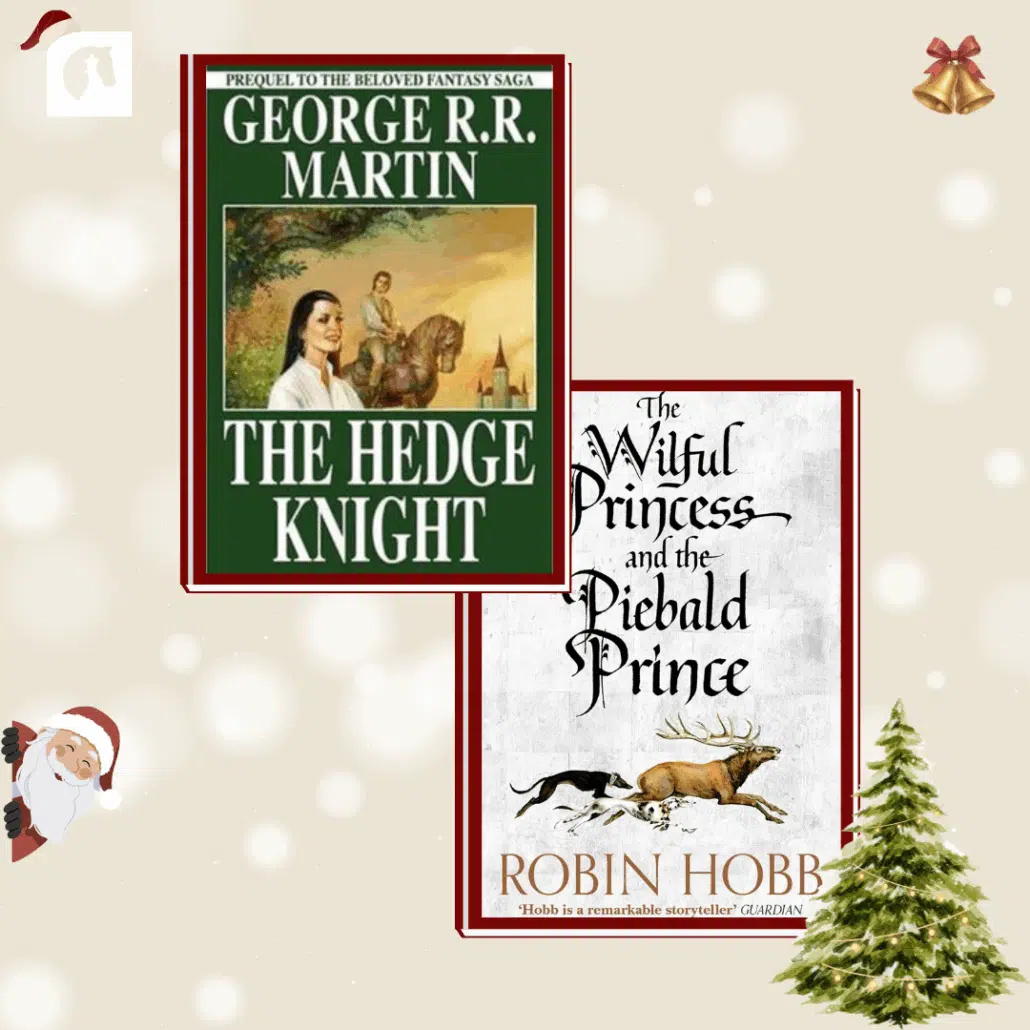
Assistant Analyst Michelle Reitano recommends The Hedge Knight by George R.R. Martin together with The Wilful Princess and the Piebald Prince by Robin Hobb
While fantasy is known for its long epics, spearheads of the genre George R. R. Martin and Robin Hobb also shine through their novellas. Martin’s The Hedge Knight follows the legendary Ser Duncan the Tall as he enters a tournament against the finest knights in the Seven Kingdoms in the company of his young squire Egg. Hobb’s The Wilful Princess and the Piebald Prince recounts one of Six Dutchies’ darkest legends through the lenses of Felicity, companion to Farseer Queen-in-Waiting Caution.
Christmas is the perfect time to enjoy some of the most sharply written fantasy novellas for those eager to enjoy the transporting worlds of Martin’s A Song of Ice and Fire and Hobb’s The Realm of the Elderlings. The Hedge Knight’s TV adaptation is also coming out in January 2026 for those eager to discover the original text before watching the show!
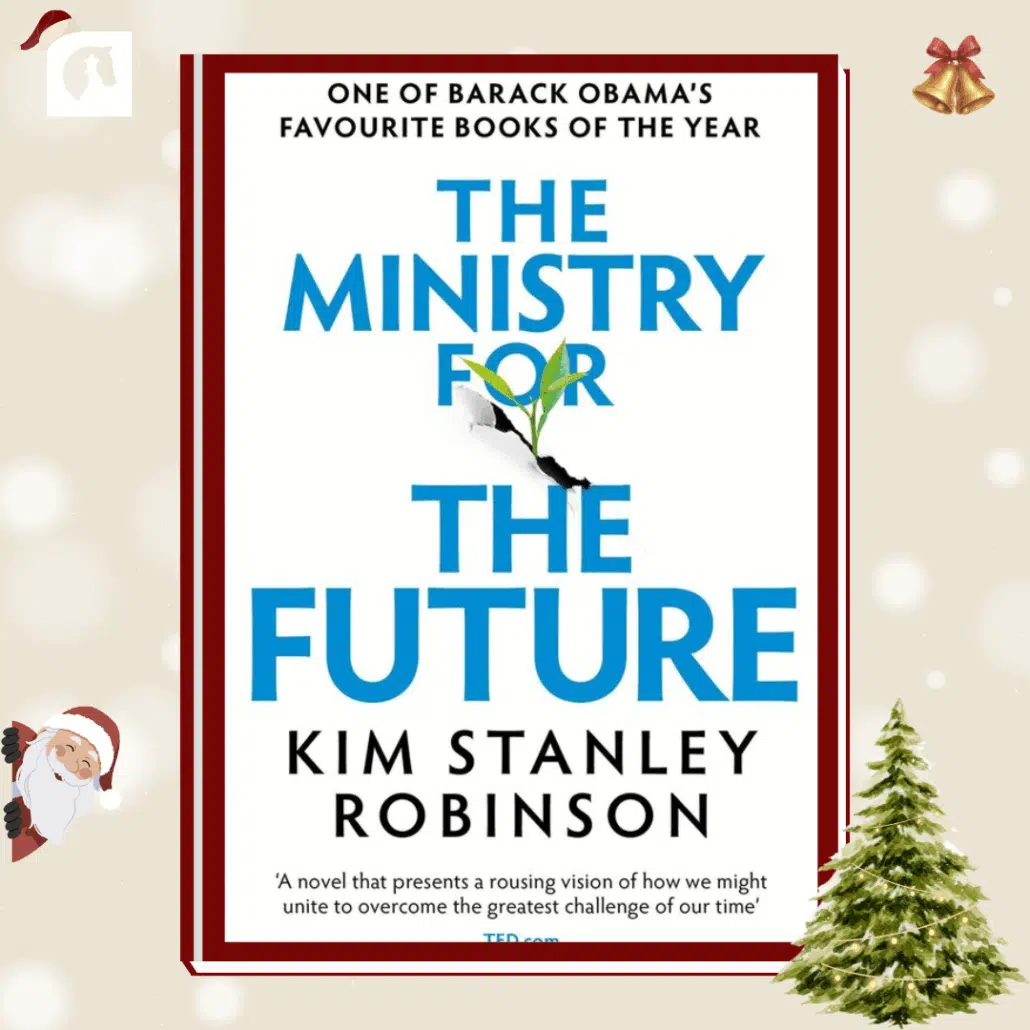
Assistant Analyst Nicole Eichstaedt recommends The ministry for the future by Kim Stanley Robinson.
The Ministry for the Future is a great mix of fiction, politics, and poetry. Kim Stanley Robinson explores how humanity, and a specific UN branch called “Ministry for the future” might respond to the climate crisis in a terrifyingly realistic near future. The storytelling is compelling, shocking, hopeful, and revolting, truly making you understand how real people will face the consequences of this crisis while making you think about how far we can continue with the status quo. It makes you attached to the characters and invested in the proposed solutions (although a bit farfetched) for the climate crisis.
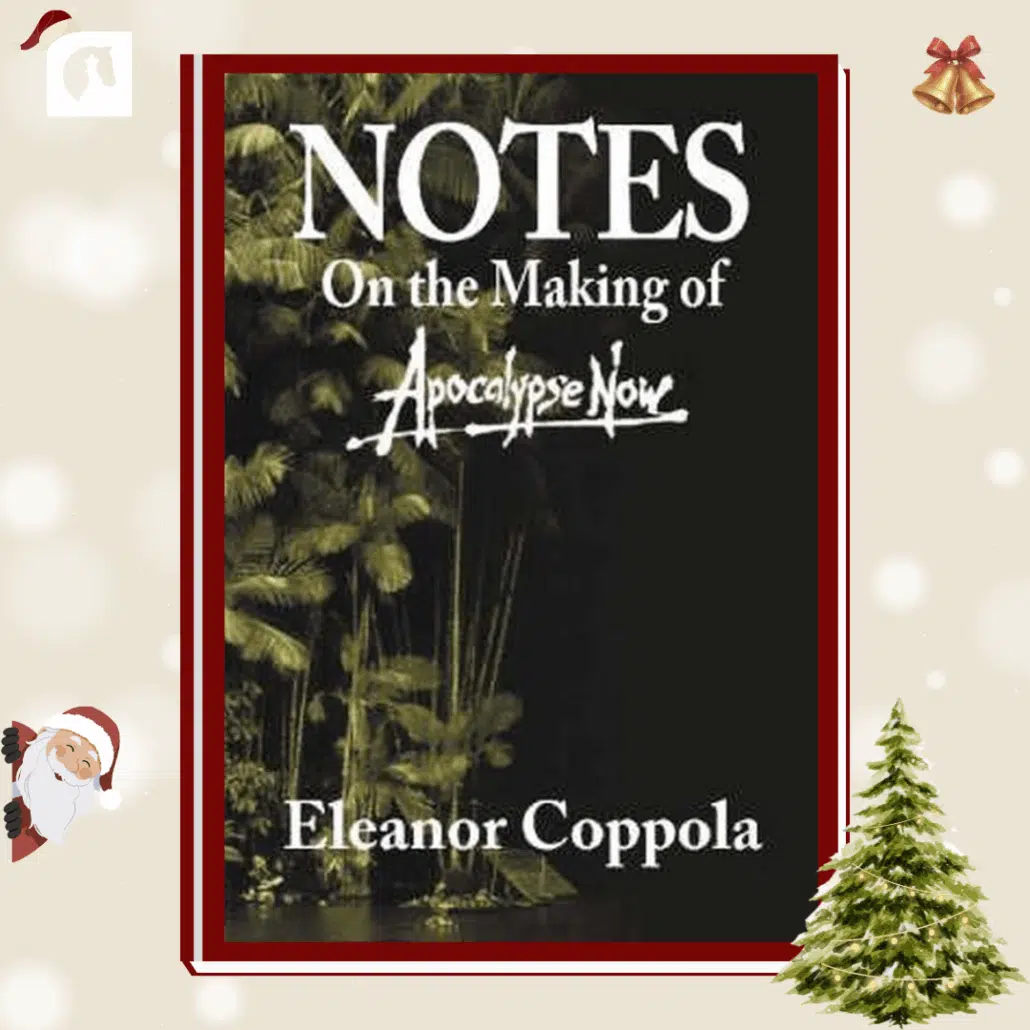
Strategic Analyst Davis Ellison recommends Notes: The Making of Apocalypse Now by Eleanor Coppola.
Not only is reading Eleanor Coppola’s notes as she worked with her husband on the making of Apocalypse Now a fantastic primer on an influential movie, but it is also much more than that. It is an intimate look at a woman whose own artistic pursuit has been put down by her husband, and it is an unsettling look into a massive project overtaken by ego and megalomania. Anybody who creates should read this and reflect on how their drive disrupts and affects the lives around them.
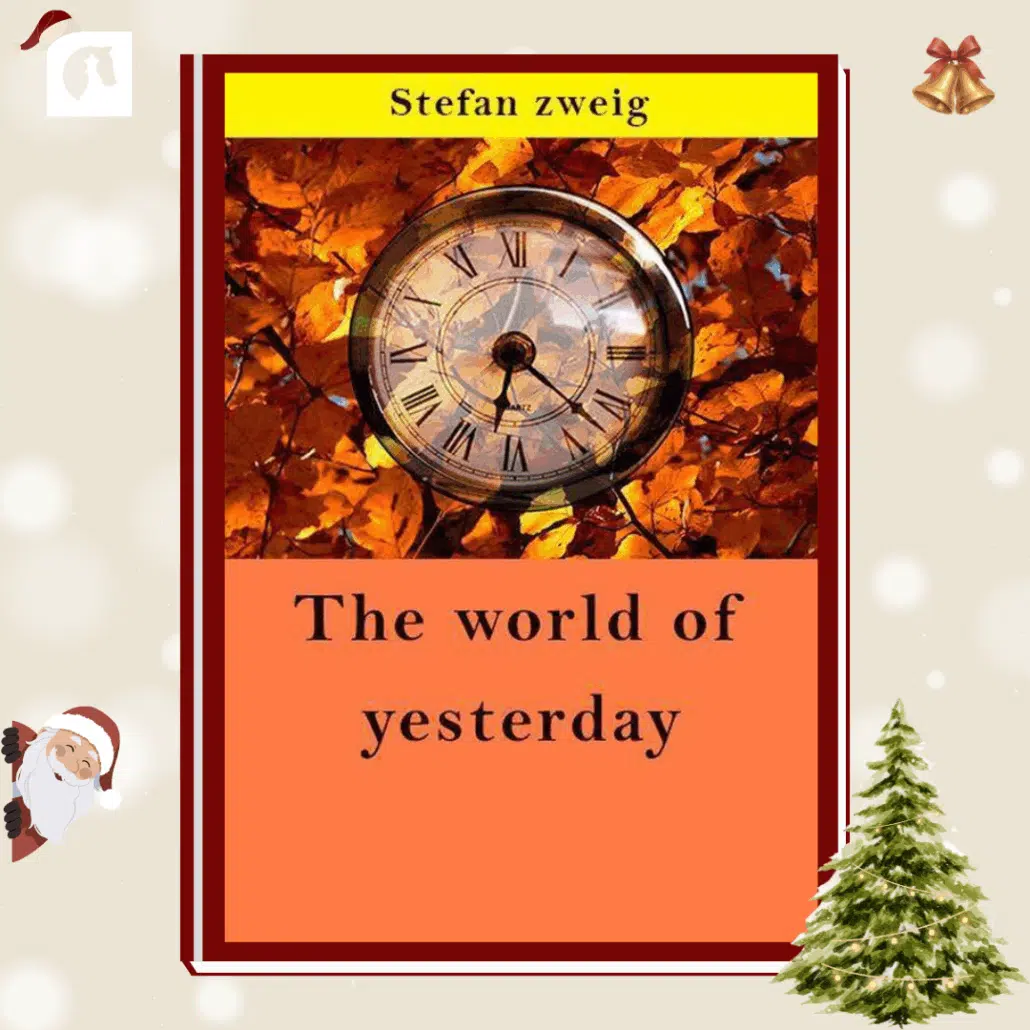
Director of Research Tim Sweijs recommends The World of Yesterday [Die Welt von Gestern] by Stefan Zweig
Stefan Zweig’s autobiographical account of the upheavals that changed the political, social, cultural and demographic fabrics of Europe from the 1880s to the early 1940s, strikes eerie parallels with present times. No plot spoilers here, because we all know how it ended last time around: our world in ruins, millions and millions of people dead, and a legacy of sorrow and enmity that still looms over the world of today.

Assistant Analyst Maria-Antigone Rumpf recommends Golden Days by Carolyn See.
A sharp and darkly funny novel about chasing the golden dream of California in the 80s, right up until the panic of a nuclear disaster slowly sets in. The book shifts tone and genre 15 times and will make you laugh out loud, until dread and reality replace the early optimism. From a gloomier perspective: it reveals a familiar anxiety of life in existentially uncertain times, which hits a bit too close to home.
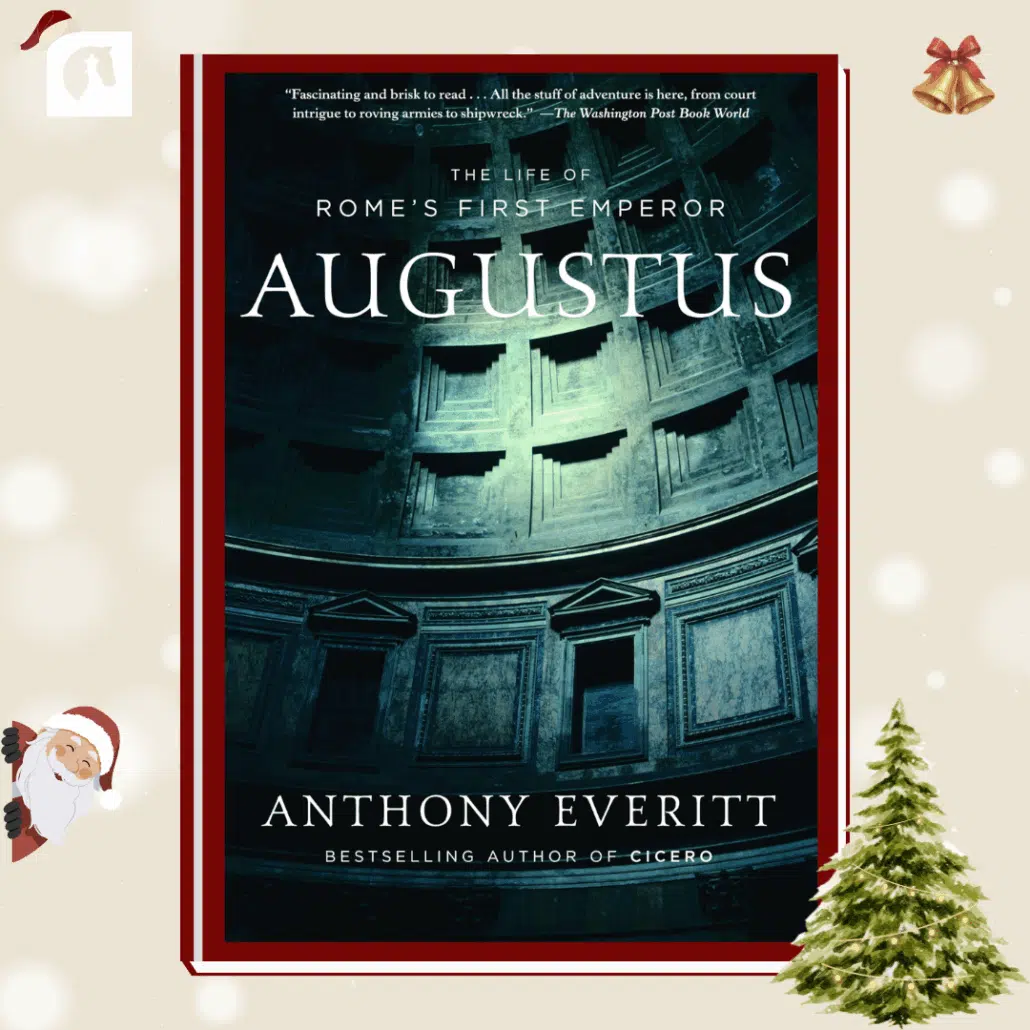
Communications Manager Patrick Willemsen recommends Augustus: The Life of Rome’s First Emperor by Anthony Everitt.
Anthony Everitt’s Augustus: The Life of Rome’s First Emperor offers a fascinating portrait of the leader who turned a fractured republic into a lasting empire. Everitt shows how Augustus mastered political strategy, institutional reform, and—crucially—his own image. His genius lay not just in gaining power, but in making absolute authority look acceptable. Through carefully crafted narratives, monuments, and symbolism, he pioneered a PR strategy that shaped Roman perceptions of stability and still influences modern governance. Augustus’ life is an essential reading for anyone interested in how leaders can centralize power while preserving a democratic façade.
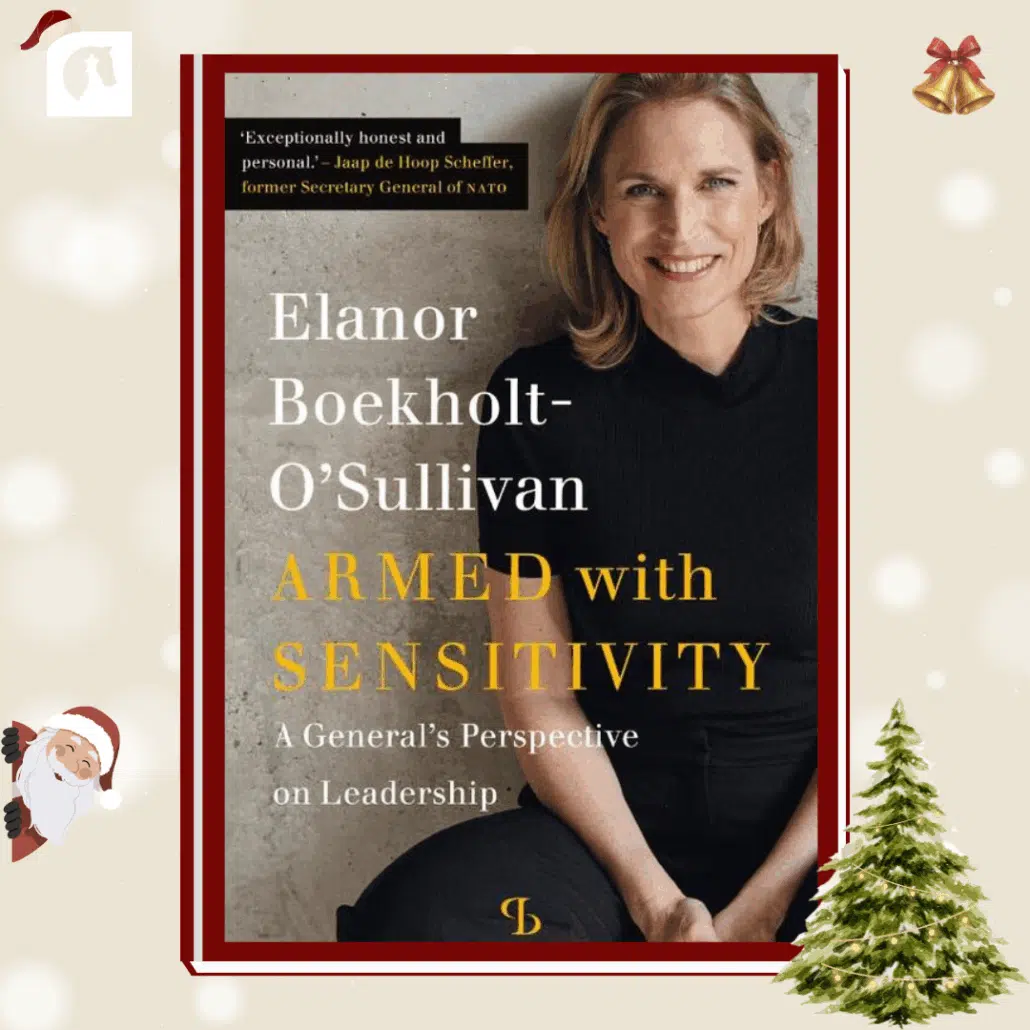
Strategic Advisor, Defence and Security Hans van der Louw recommends Armed with Sensitivity, A General’s Perspective on Leadership by Elanor Boekholt-O’Sullivan
Elanor Boekholt-O’Sullivan, since 2022 Lieutenant-General with the Royal Netherlands Air Force, the first female Three-star General of the Netherlands Armed Forces, was chosen ‘Top Woman of the Year’ by the Dutch Social and Economic Council in 2023.
In Armed with Sensitivity, Boekholt-O’Sullivan shares her views on leadership, personal development, and organizational transformation, more specifically the role of women in the (Netherlands) Armed Forces in the past decades. She discusses how to hold your ground and stay close to your own beliefs in a male-dominated organization that the military clearly (still) is, both in a peacetime setting and in missions, specifically in Afghanistan.
Above all, the book is about ‘making space’, for yourself and others, male and female, be a role model for younger colleagues, and use vulnerability and humor as a force for change. Boekholt-O’Sullivan contends that leadership is not about bravado or titles, but about what you do when no one is watching. Highly recommended for anyone who wants to understand the importance of the empowerment of women in the military.
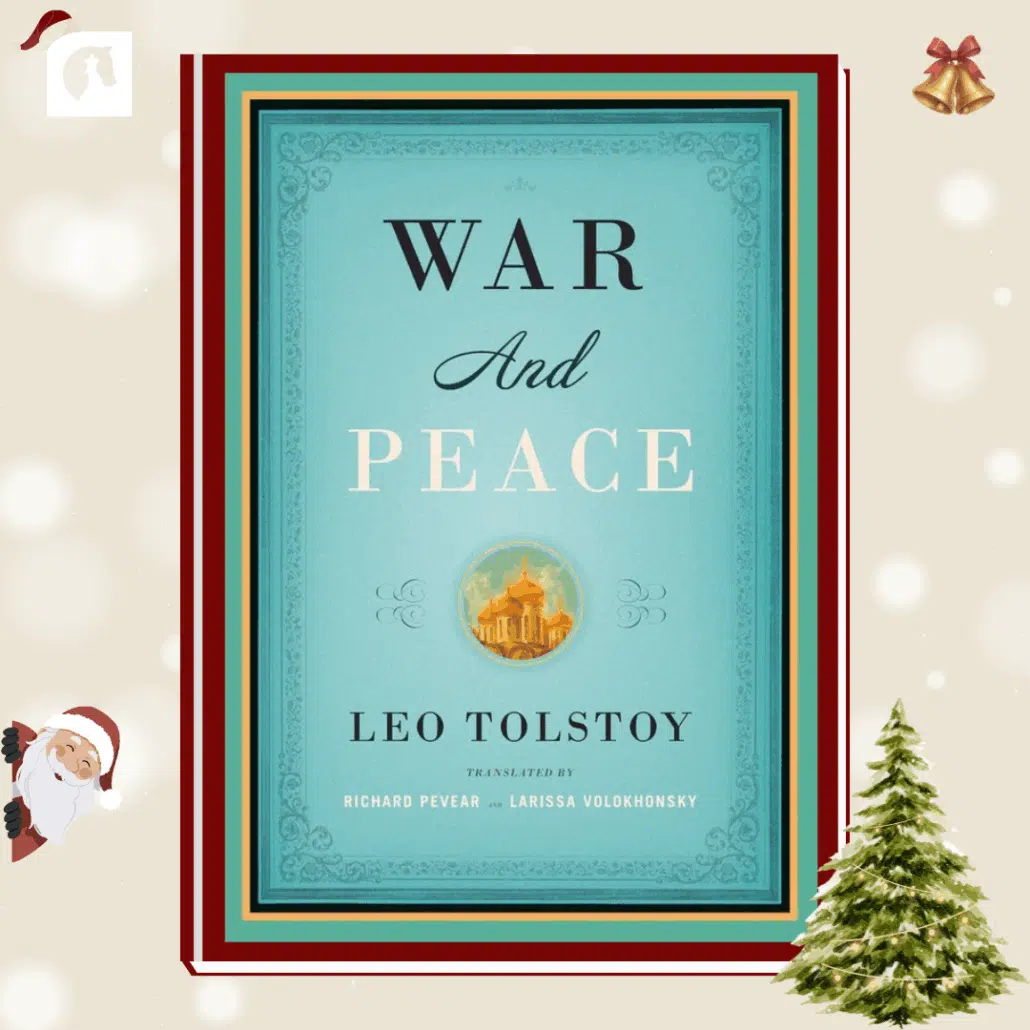
Chair Negotiation and Conflict Resolution Sven Koopmans recommends War and Peace by Leo Tolstoy
Don’t fear! It’s 1600 plus pages written some 180 years ago are an urgent page-turner about what drives people and peoples to conflict and killing, and what brings them to reconciliation and new life. This monument of world literature is a double helix political tragedy and love story, and a closely reasoned theory of history. Tolstoy argues that events such as Napoleon’s invasion of Russia in 1812 are not caused by the will of individual great men, but by profound ‘laws’ of history. I may not myself believe there are such laws, but accept his challenge of finding patterns, on which to base predictions and strategies. In any case it is essential to understand what motivates people to act as they do in matters of war and peace. Tolstoy offers a half-fictional account that seems timelessly accurate, and is eminently enjoyable.
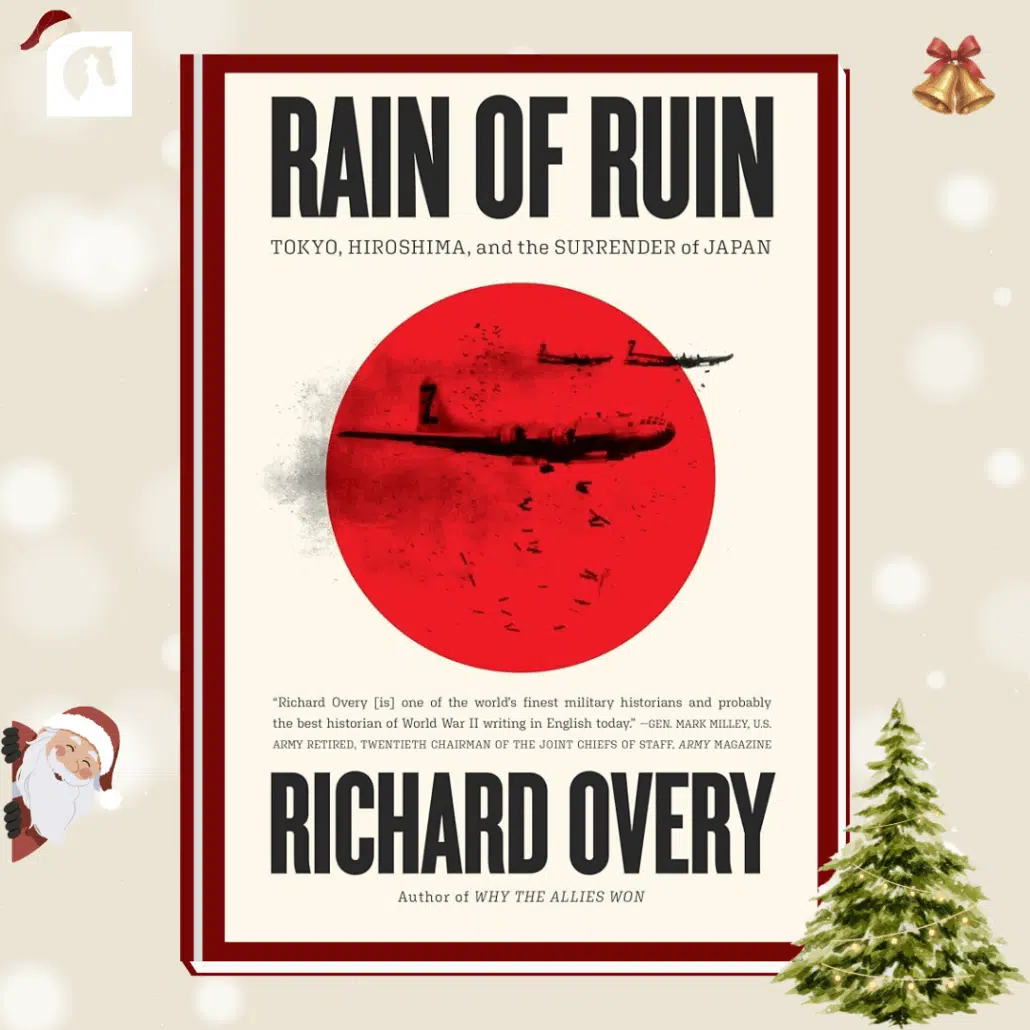
Strategic Advisor, Food and Agriculture Freek Vossenaar recommends Rain of Ruin: Tokyo, Hiroshima and the Surrender of Japan by Richard Overy
This remarkable book rethinks how we should regard the last stage of the Second World War and the role of the bombing campaigns. It starts by explaining how the B-29 bomber was hastily designed to actually reach Japan from US-controlled bases. The unreliable engine was the biggest danger to the crew; 414 planes went down through engine fires and such, and 147 through enemy action. The book explores the way in which the willingness to kill civilians and destroy cities became normalized in the course of a horrific war, as moral concerns were blunted and scientists, airmen, and politicians followed a strategy of mass destruction they would never have endorsed before the war began.
It also illustrates how complex the effort to end the war was in Japan, where ‘surrender’ was entirely foreign to Japanese culture.
Assistant Analyst Jan Feldhusen recommends Indiana Jones and the Peril at Delphi by Rob MacGregor
Step back into the jazz-soaked 1920s and witness the forging of a legend in Indiana Jones and the Peril at Delphi. This isn’t just another treasure hunt; it is a gripping origin story that introduces a raw, inexperienced Indy facing his first true brush with the supernatural amidst the crumbling ruins of ancient Greece. Rob MacGregor masterfully blends history, mythology, and high-octane pulp action as Jones races against a shadowy order intent on reviving the terrifying, earth-shaking power of the Oracle. If you crave high-stakes adventure and want to understand the man behind the fedora before he became the world’s greatest archaeologist, this novel is your essential starting point.


Strategic Advisor, International Affairs Kees van Rij recommends L’ami américain by Éric Branca
This fascinating study tells the story of the many ups and downs during decades between the French and the Americans, in particular it follows the difficult relationship between de Gaulle and Roosevelt during World War 2. Roosevelt, neglecting de Gaulle during the entire period 1940-1945, even intended at the end of WW2 to divide France -that had been ruled by the pro-nazi Vichy regime- in an Allied Military Government of Occupied Territories ( AMGOT), in a similar way the allied powers would do with Germany after the war. De Gaulle and Churchill opposed this with succes. Another interesting passage in this book is about the strong support of the American government for the establishment of a supranational European Coal and Steel Community ( launched by Robert Schuman and Jean Monnet in 1950). US Secretary of State Dean Acheson instructed his diplomats in Europe to strongly oppose Dutch (!) attempts to substantially weaken the supranational character of the ECSC, which for the Americans was “deemed of capital importance”. Thus American support of the supranational origins of then EU was of critical importance at the time, even though the current US
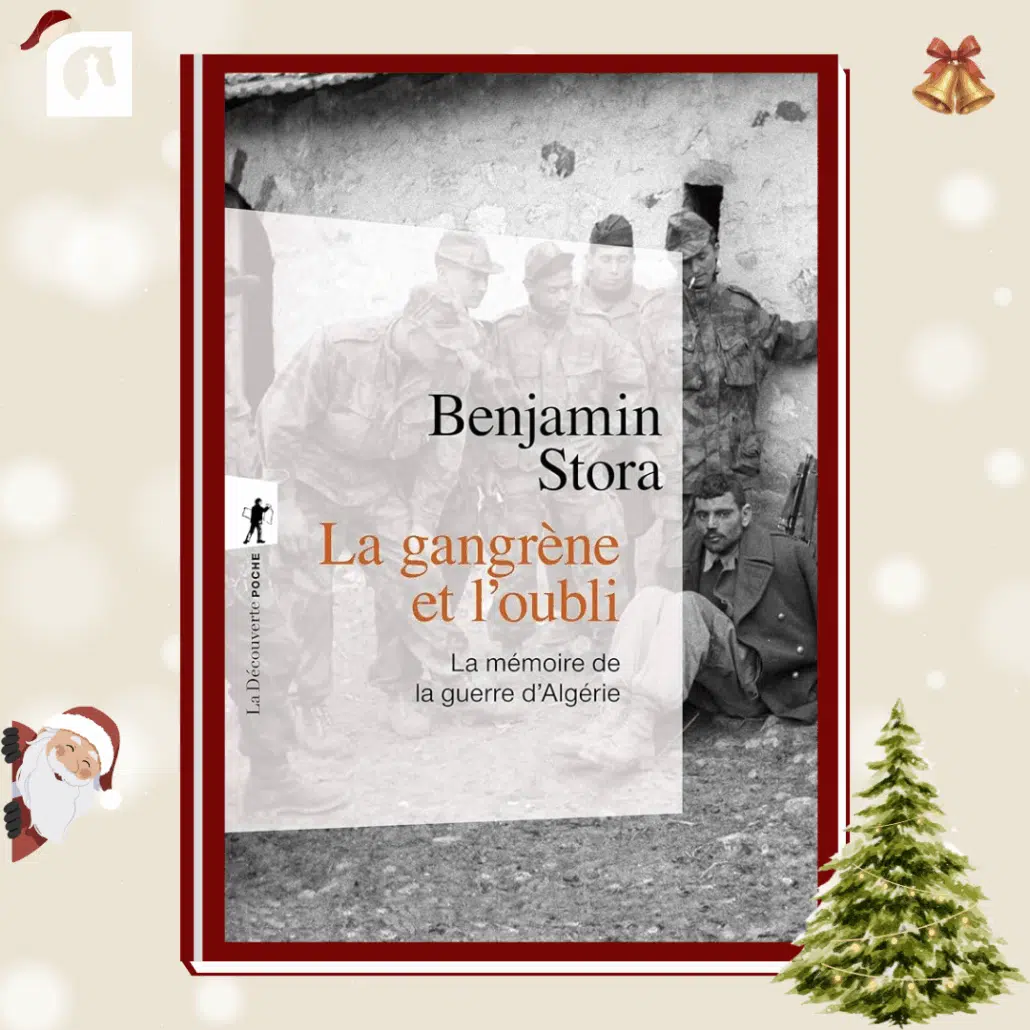
Assistant Analyst Noemie Jacq recommends Gangrene and Oblivion: Memory of the Algerian War by Benjamin Stora
Benjamin Stora publishes in 1991 a powerful political history of the Algerian War of Independence, highlighting the mechanisms through which this one was silenced, distorted and selectively remembered. Incorporating interpretations of the conflict from various groups, the book shows how competing narratives shape national memories in both Algeria and France, providing necessary tools to understand current strained relations between the two countries.
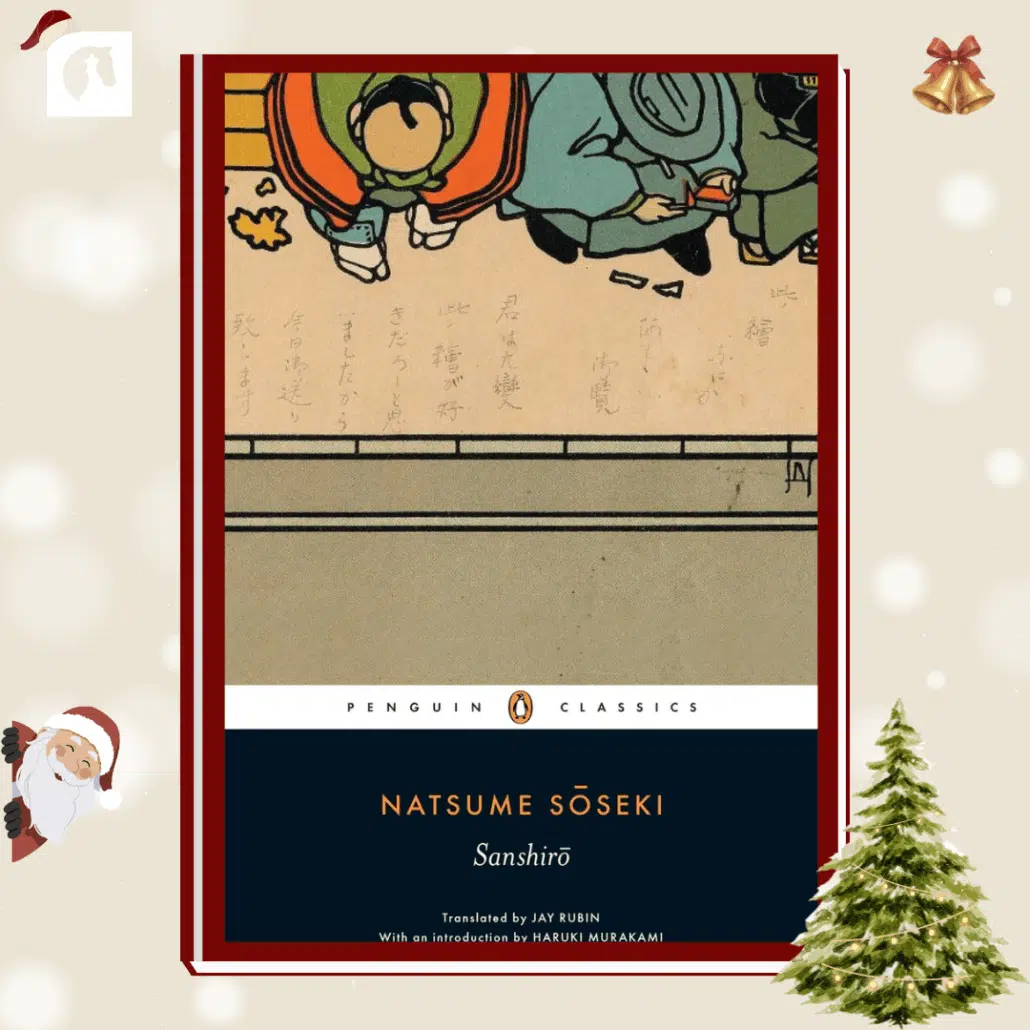
Strategic Analyst Hans Horan recommends Sanshirō by Natsume Sōseki
Natsume Sōseki’s Sanshirō follows a bright, slightly sheltered young man who leaves rural Kyūshū for Tokyo, expecting the capital to hand him a clear path into adulthood.
What makes Sanshirō so compelling is it acts as a window onto Japan’s turn-of-the-century transformation. Sōseki captures the exhilarating and disorienting modernisation of Japan for the main character as he struggles to balance between the traditional values of his rural roots and emerging westernisation that feels, at times, foreign to him.
Strategic Analyst Markus Iven recommends War by Bob Woodward
At first glance, War doesn’t sound like a very ‘christmassy’ book. Yet like a good thriller, you could start it on a winter evening and find yourself unable to put it down. Woodward, a two-time Pulitzer Prize-winning journalist known for uncovering the Watergate scandal, gives a detailed account of the Biden administration’s behind-closed-doors politics on the wars in Ukraine and Gaza. Based on extensive background interviews, the book reconstructs conversations with a level of precision that made me feel as if I were in the Oval Office. If you want to understand how world politics really works, this book is fascinating from start to finish. Credit goes to my colleague Davis Allison for recommending it in the first place!













Related Content