

Summer is the perfect time to slow down, recharge and dive into a good book. We’ve once again asked our analysts and experts to share the titles that have inspired, challenged, and entertained them the most.
Whether you’re looking for clarity, curiosity, or just an engaging read to enjoy in the sunshine, these carefully hand-picked selection of books offers something for every reader.
Your summer starts here: with the HCSS Summer Bookshelf!
Deputy Director Michel Rademaker recommends:
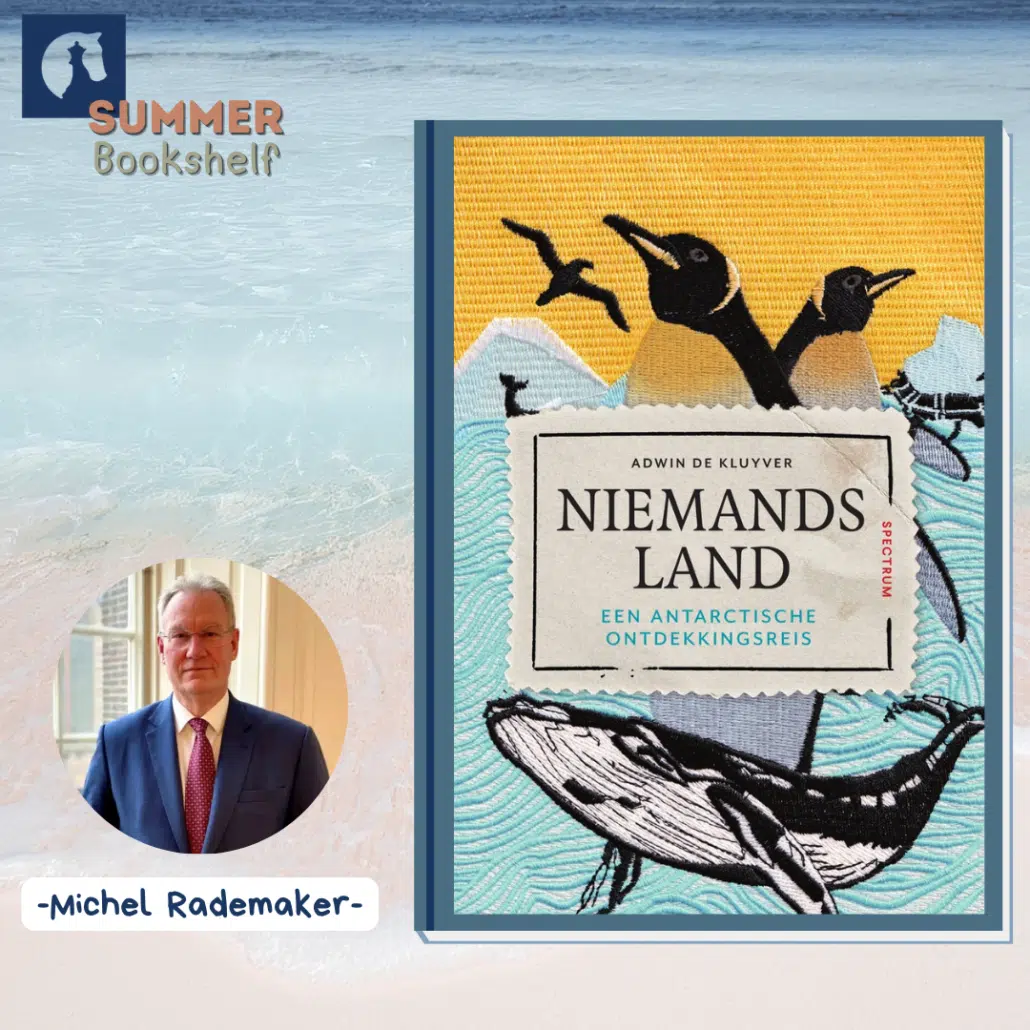
“Niemandsland” by Adwin de Kluyver
In the book ‘Niemandsland’ the writer and historian Adwin de Kluyver takes readers on a captivating literary journey towards the South Pole. He shows how humanity has searched for, explored, described, and exploited this frozen continent over the centuries. To tell this story, De Kluyver brings to life a cast of historical figures—men, women, and even animals—who played a key role in shaping perceptions of Antarctica. From the Flemish gunner who believed he had discovered a passage between America and the Great Southern Continent, to a whale-hunting painter who became the first Dutchman to set foot on the empty continent. And from the first woman among the male adventurers to the Nazis who attempted to establish a colony there.
Assistant Analyst Ethan Mansfield recommends:
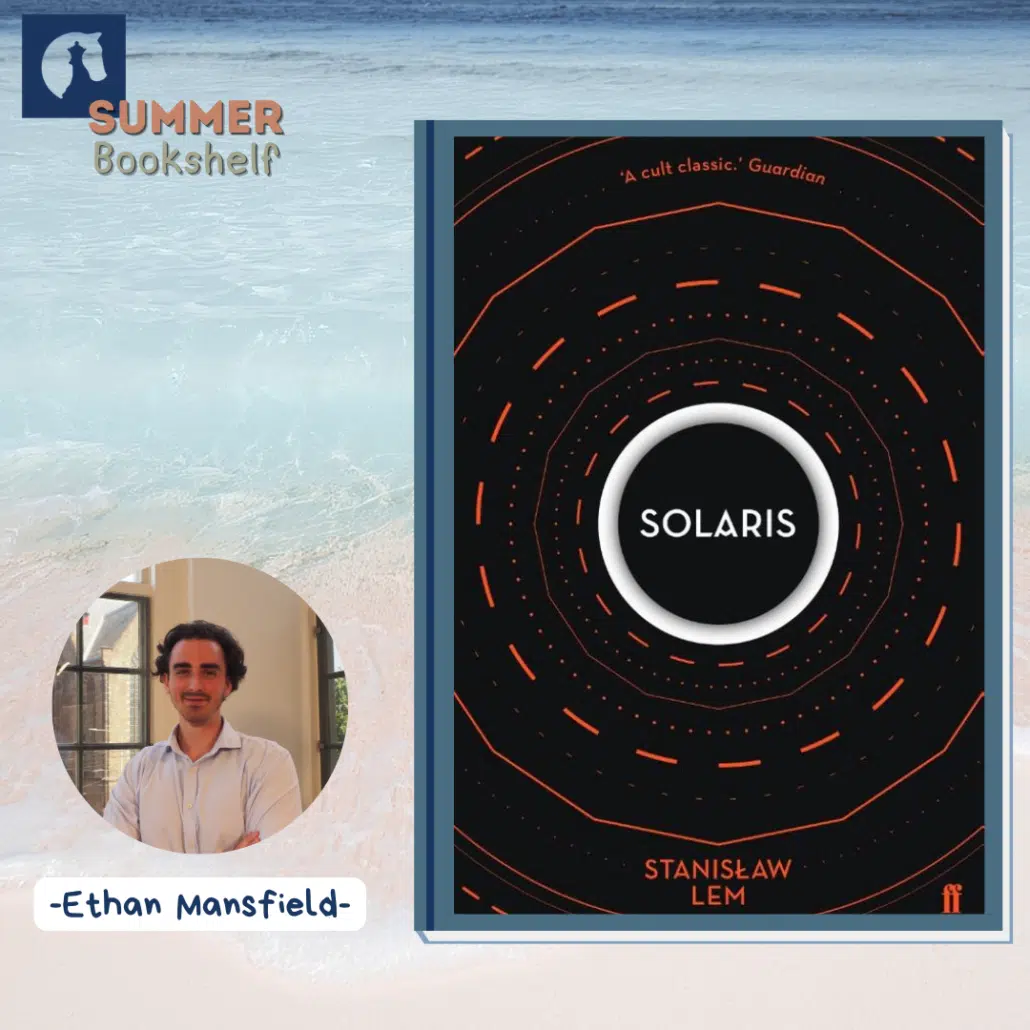
“Solaris” by Stanisław Lem
Solaris is a book about a psychologist’s experience and comprehension of an alien entity that takes the form of an ocean covering the surface of the planet Solaris. As the psychologist arrives at the sole research station above the ocean’s surface, he must grapple with forces beyond his understanding which push the limits of human reasoning and reality. Solaris, first published in 1961, is one of the most famous books by renowned Polish author Stanisław Lem and a must read for those who wish to explore the nature of existence, the incomprehensible, and what is ultimately reasoned to be “a failed god.” In the current geopolitical environment Solaris is a good exercise in trying to find reason in the unreasonable and searching for logic in an ocean of the illogical.
Strategic Analyst Davis Ellison recommends:
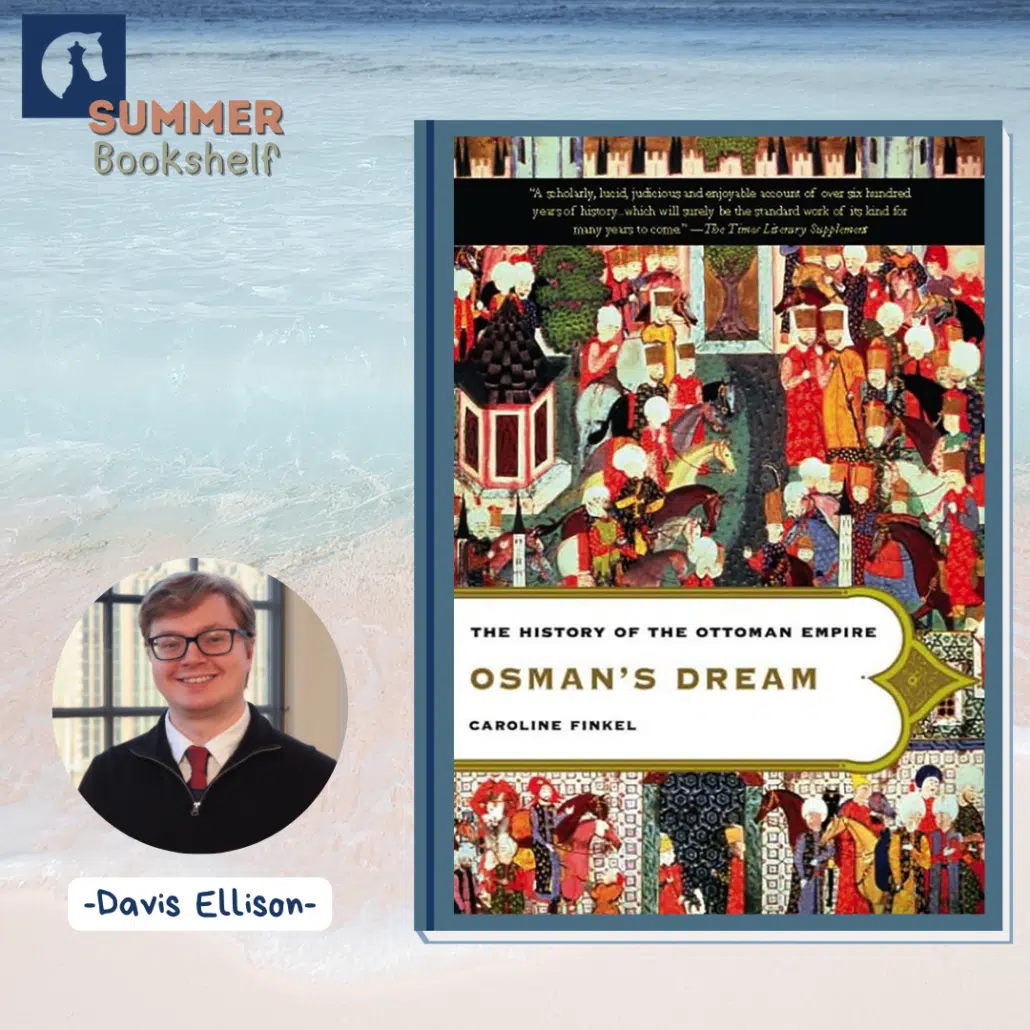
“Osman’s Dream: The History of the Ottoman Empire” by Caroline Finkel
Not nearly enough about the internal political intrigues, diplomacy, wars, and culture of the Ottoman Empire is known in the international relations community. Lasting for 600 years, the Ottomans did as much to shape modern Europe and the Middle East as any other power you can name. We have much to learn from the successes and failures of Sultans like Mehmed II, Bayezid I, and Suleyman the Magnificent. Anyone who wants to get into the really deep historical roots of southeastern Europe, North Africa, or the Caucasus should read this.
Assistant Analyst Clarice van der Paardt recommends:
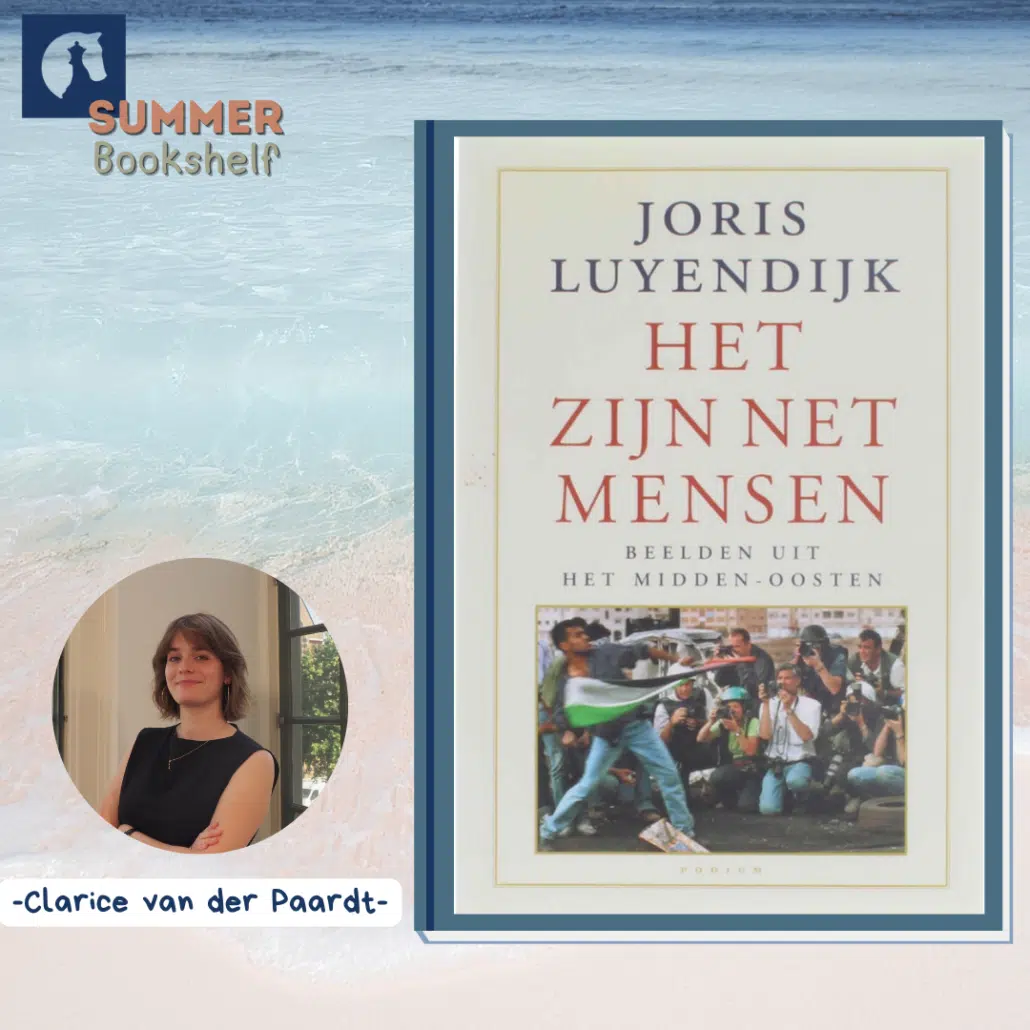
“Het zijn net mensen” by Joris Luyendijk.
A book for anyone keen to learn more about the pervasive role of mass media in international affairs. As Joris Luyendijk returns from his years spent as a correspondent in Cairo, Beirut and East-Jerusalem in the early 2000s, he reflects on the existing gap between what he witnessed on the ground and what reached the audiences back home. In doing so, he lays bare the mechanics of the media machine, the power of propaganda, and the impossibility of conducting objective journalism in the Middle East. Full of humour, witty anecdotes and humility, it is an outstanding piece of critical writing on mainstream journalism. Current world affairs prove that, despite being published twenty years ago, this book remains more relevant than ever.
Research Scientist Rens van Dam recommends:
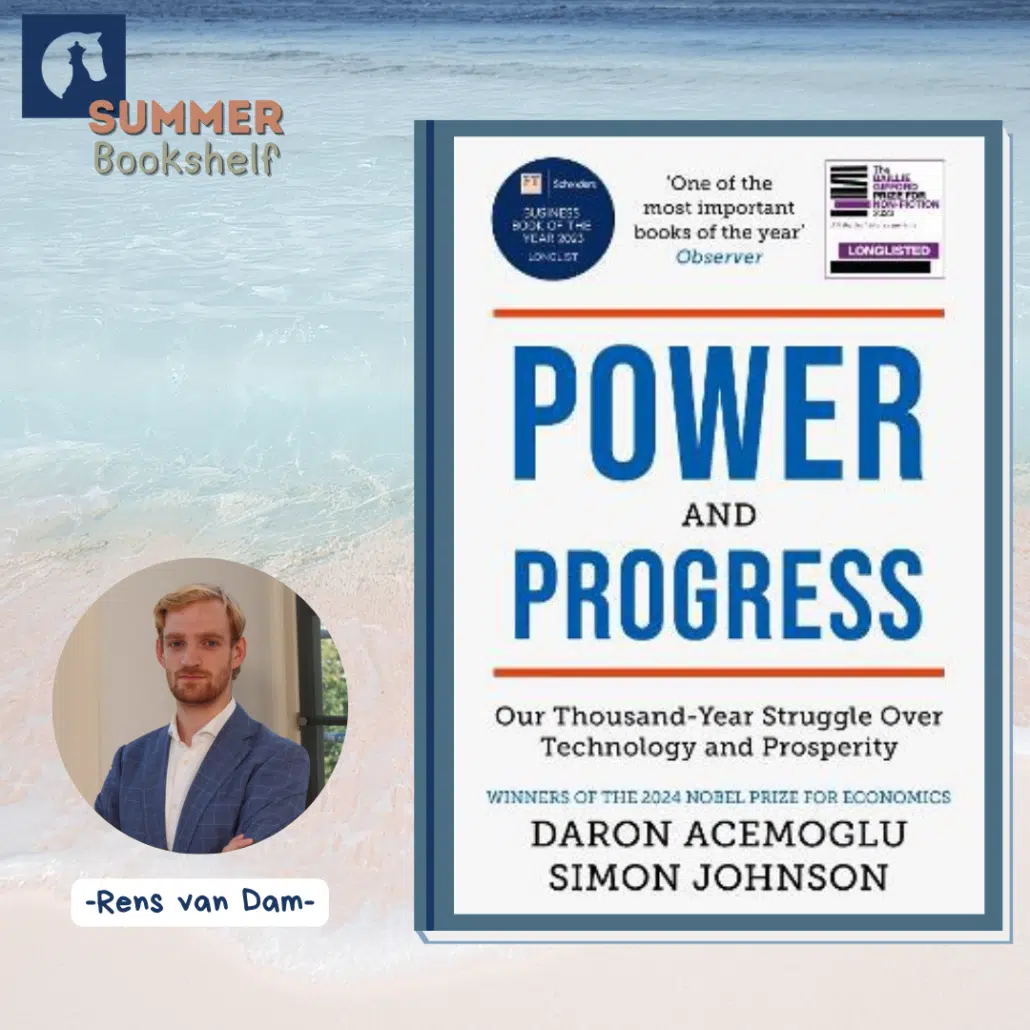
“Power and Progress: Our Thousand-Year Struggle Over Technology and Prosperity” by Daron Acemoglu and Simon Johnson
In Power and Progress: Our Thousand-Year Struggle Over Technology and Prosperity, Nobel-prize winner Daron Acemoglu (known from his earlier book Why Nations Fail which is also great; it explains the importance of proper institutions) and Simon Johnson try to explain how technology and power interact. The authors go back in time to the industrial revolution and beyond and try to identify in which cases technological progress actually benefits the majority of a society ánd when it fails to do so, resulting in only a wealthy elite. This book might be a bit heavy for on the beach, but rather important to aid thinking about how to deal with current advances in AI.
Assistant Analyst Ali Uygar Aydogdu recommends:
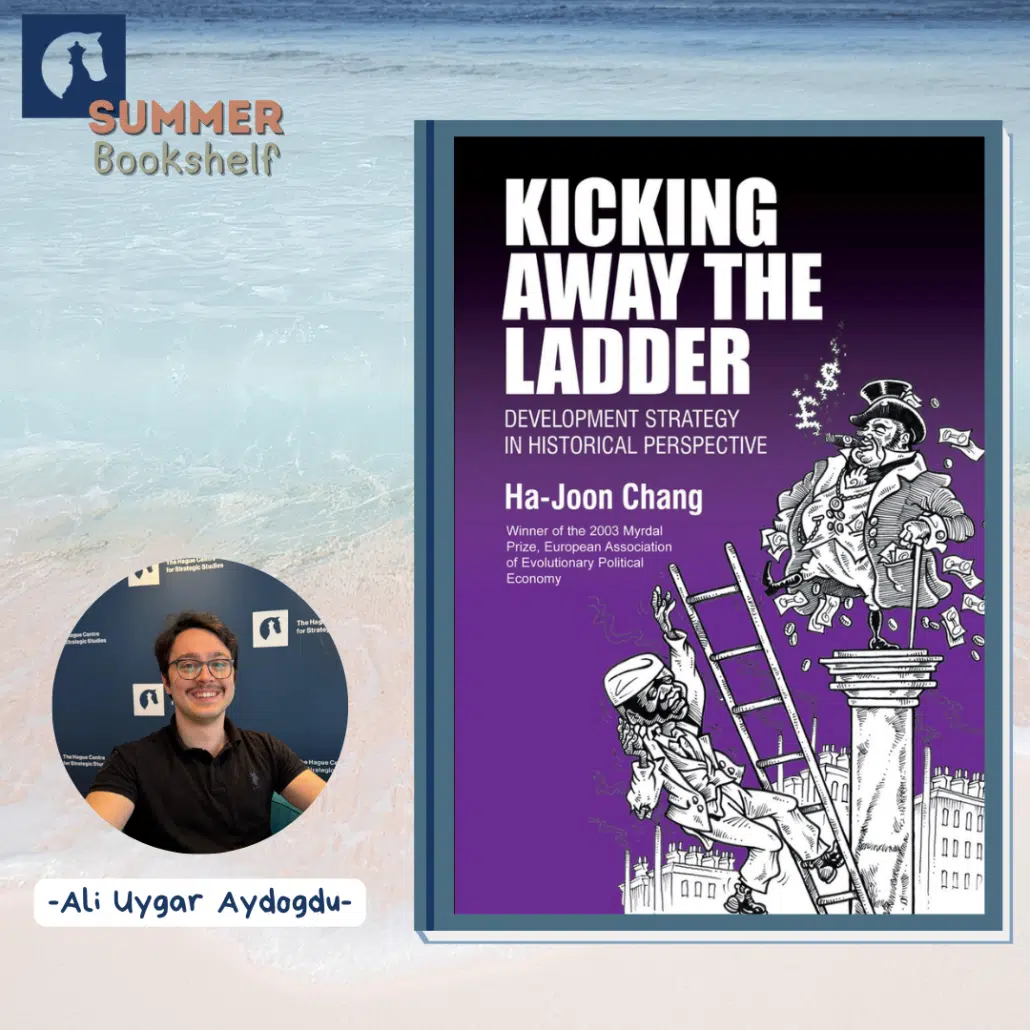
“Kicking away the Ladder” by Ha-Joon Chang
Chang provides two crucial prospects in the book: 1) How rich and capitalist countries lied about liberal economy model being the reason for state/nation wealth/prosperity and 2) How even poor countries can develop and compete against economic giants if they were not prevented by aforementioned economic giants. Therefore, it is safe to say that this book provides us with a handbook on how to develop a country’s economy and the real history behind capitalist giants.
HR Manager Daniella Kranendonk recommends:
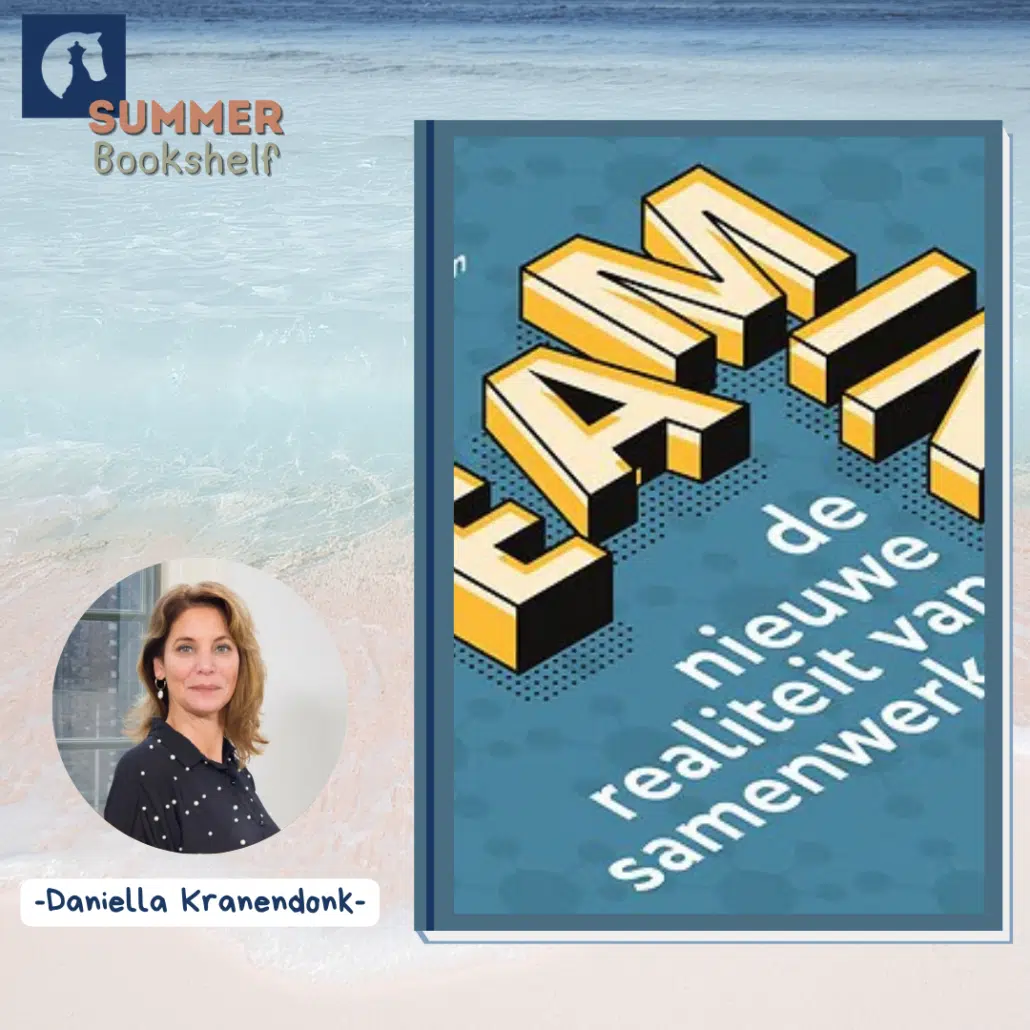
“Teaming: de nieuwe realiteit van samenwerken” by Hans van der Loo and Patrick Davidson
Teaming is a book that fits very well with the way we work. Many of us are part of multiple teams at the same time, working together on different projects. The book gives valuable insights into how we can continue to learn, innovate and perform, while working well together as colleagues. A book full of practical lessons for today’s workplace.

Strategic Analyst Pieter-Jan Vandoren recommends:
“Reizen zonder John” by Geert Mak
For those seeking to understand how America in 2026 came to take its current shape, Geert Mak’s Reizen zonder John offers a rich starting point. By setting Steinbeck’s 1960 journey alongside his own trip in 2010, Mak shows how postwar confidence, mobility and faith in progress gradually changed under the pressure of globalization, demographic shifts, inequality and shifting geopolitical realities. The tensions Mak describes in 2010, around identity, community, government and the American dream, help explain why America in 2026 is at once divided, resilient and still deeply influential.
Executive Director Paul Sinning recommends:
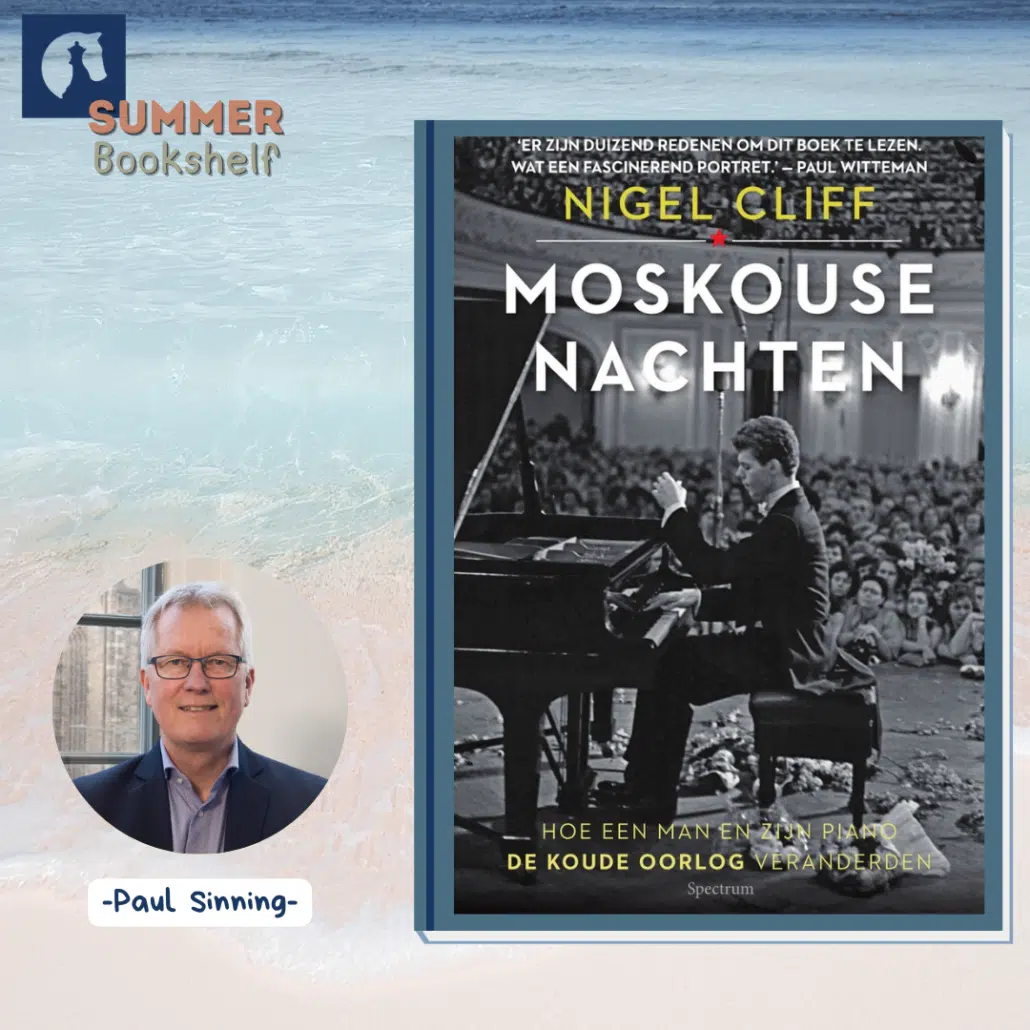
“Moskouse Nachten” by Nigel Cliff
The book explores the role of soft power during the Cold War. It tells the story of Van Cliburn, a pianist from Texas, who used the universal language of music to build an important bridge between the Soviet Union and the United States.
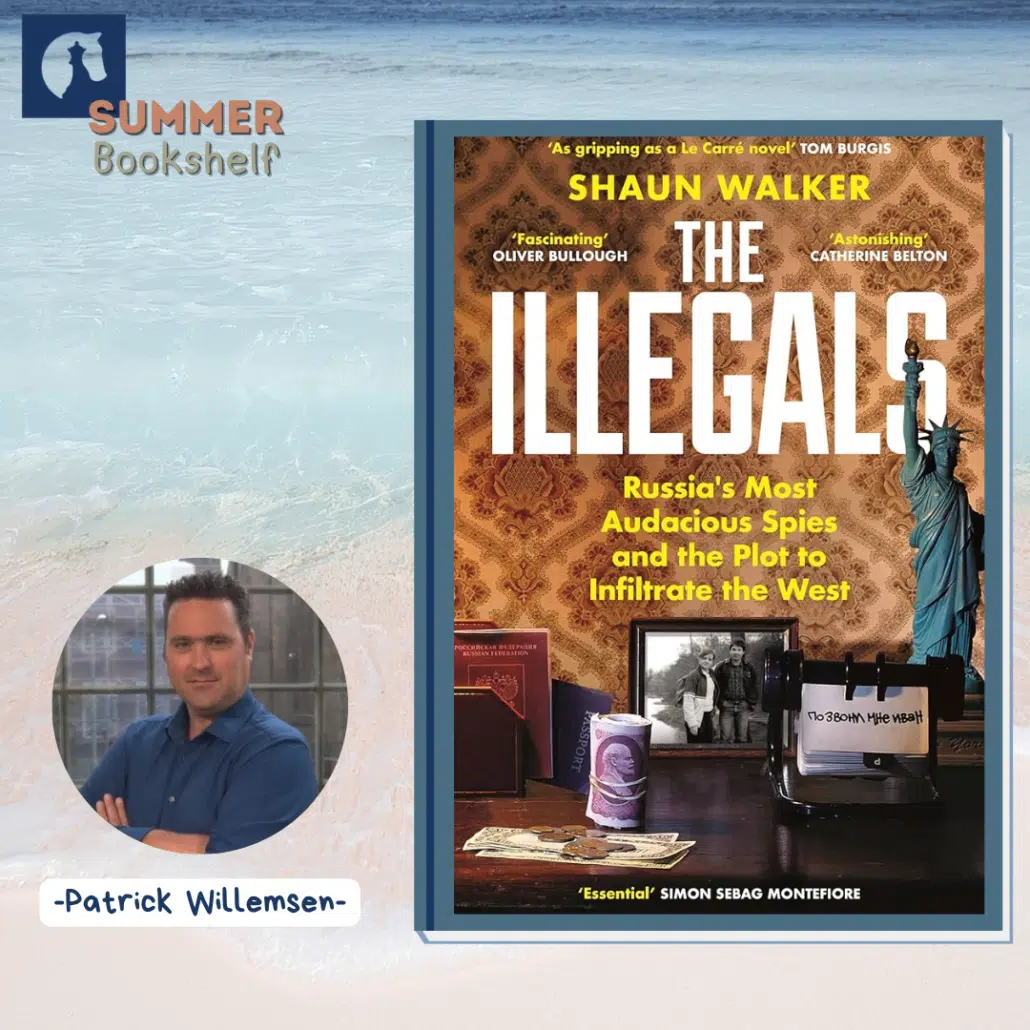
Communications Manager Patrick Willemsen recommends:
“The Illegals: Russia’s Most Audacious Spies and Their Century-Long Mission to Infiltrate the West” by Shaun Walker
Shaun Walker’s The Illegals is a gripping account of one of Russia’s most remarkable intelligence programmes: the cultivation of deep-cover spies who lived for decades under fabricated identities in the West. The inspiration for the brilliant tv series The Americans, Walker blends meticulous research with compelling storytelling, tracing the history of these “illegals” from the Soviet era to the present day, revealing the patience, discipline and (human) cost behind clandestine operations. Beyond the thrilling tales of espionage, the book offers valuable insight into Russia’s strategic culture and the enduring role of intelligence in statecraft.
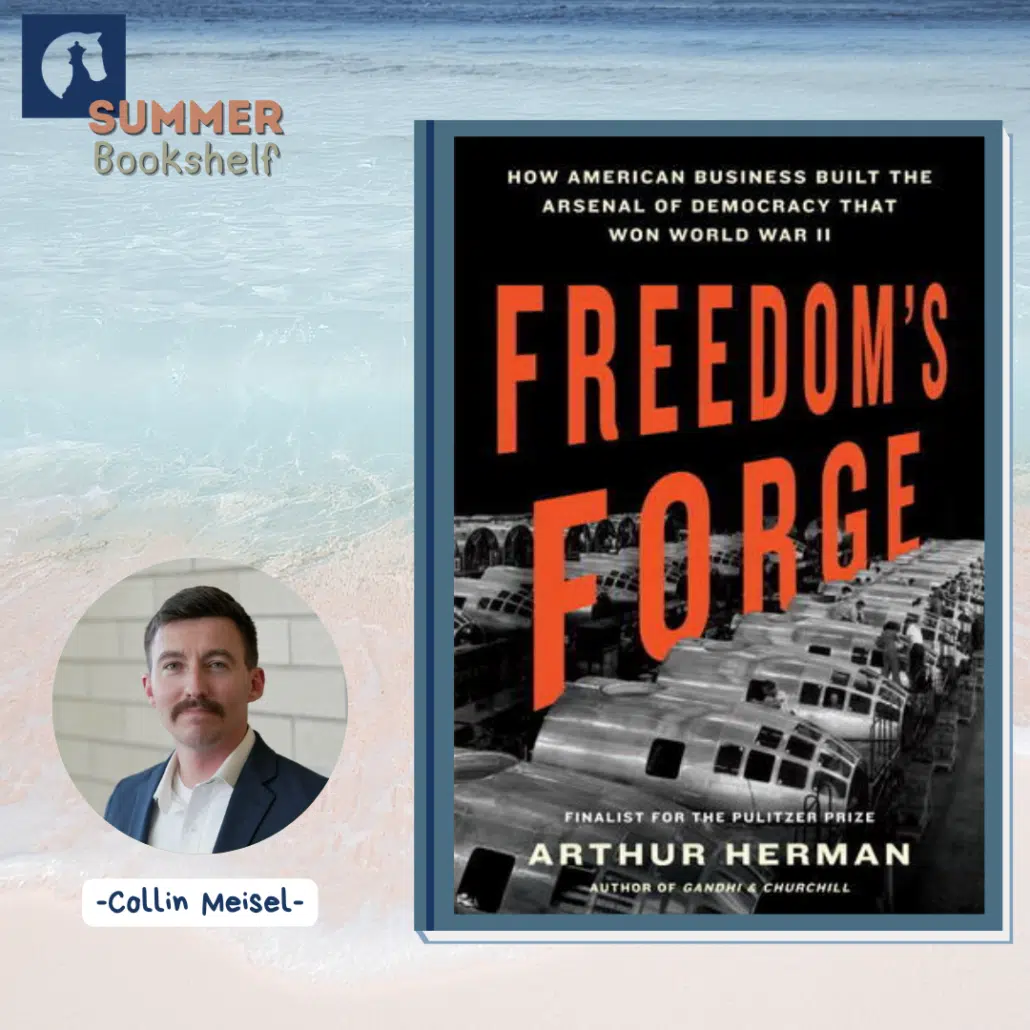
Senior Fellow, Geopolitics and Datascience Collin Meisel recommends:
“Freedom’s Forge: How American Business Produced Victory in World War II” by Arthur Herman
Full of richly told and often entertaining stories, Herman’s book unpacks the industrial mobilization that underpinned the U.S. war effort in World War II. At a time when questions of industrial resilience and defense production have returned to the forefront of strategic debate, Freedom’s Forge offers a timely reminder of what — and how long — it takes to build the capacity needed to persevere in a great-power war.
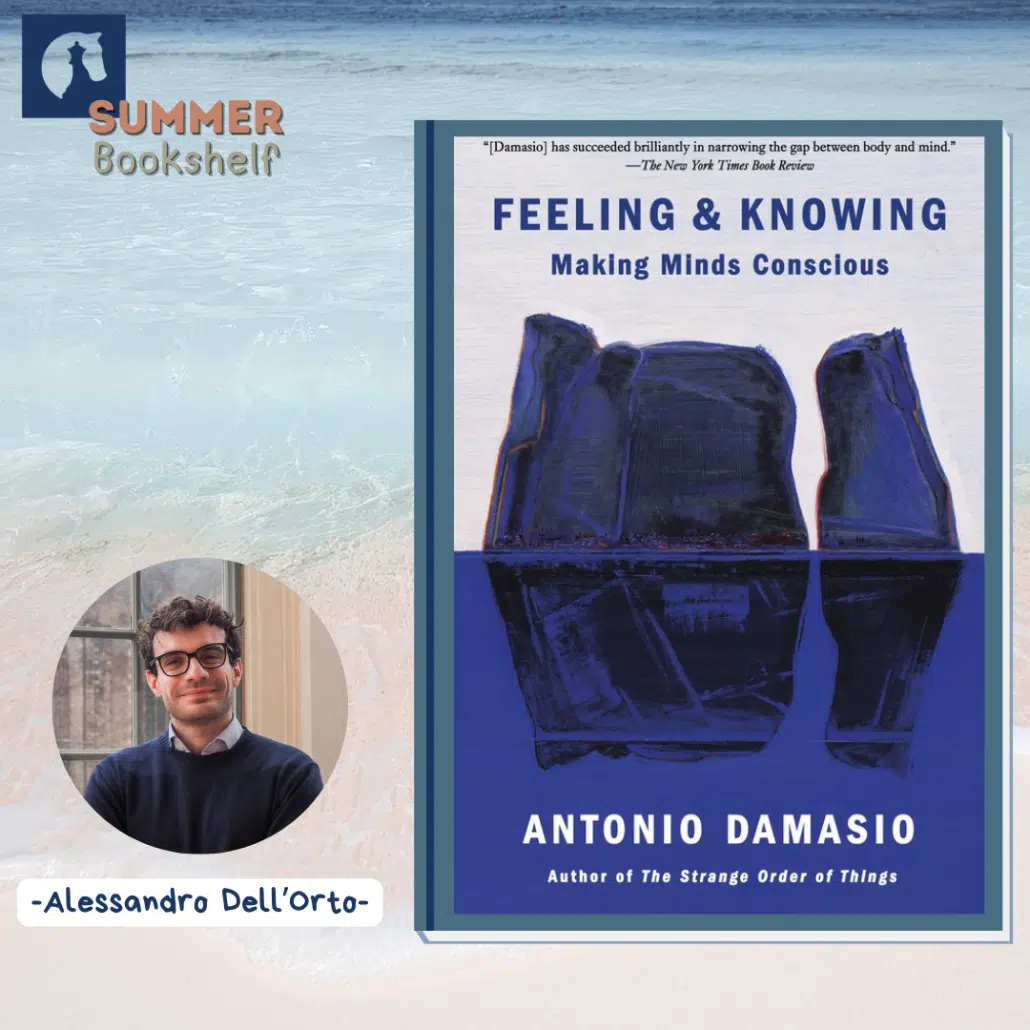
Assistant Analyst Alessandro Dell’Orto recommends:
“Feeling & Knowing: making minds conscious” by Antonio Damasio
A short but dense compendium on how intelligence works in all living organisms, and how it has evolved from an unconscious to a conscious form, through the appearance of nervous systems, minds and mental images. For those who are fascinated by AI’s capacity to solve complex tasks and to show explicit reasoning, and want to learn what science has discovered so far about minds and consciousness.
Assistant Analyst Paul Spangenberg recommends:
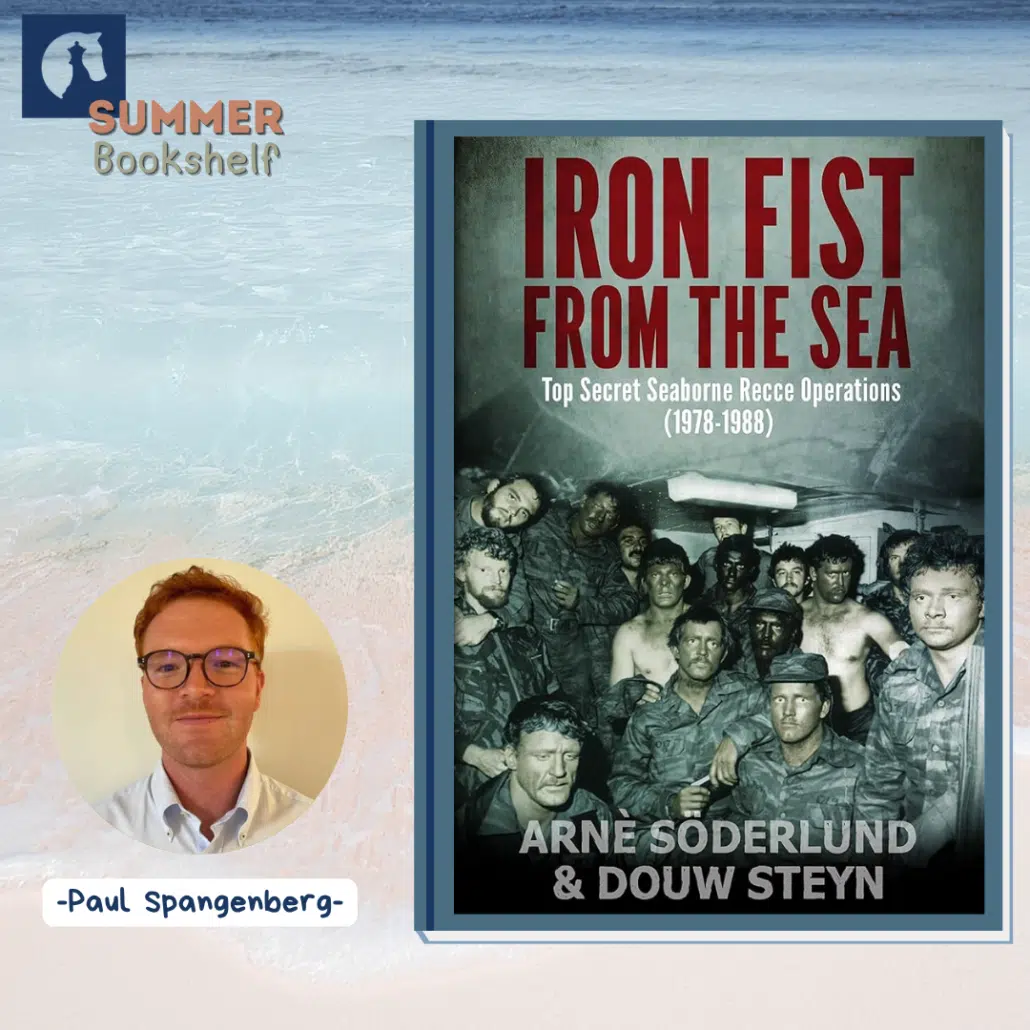
“Iron Fist from The Sea by Top Secret Seaborne Recce Operations (1978-1988)” by Arnè Söderlund & Douw Steyn
A gripping account of South Africa’s elite 4 Recce unit and their secret seaborne raids on strategic targets during The Border War from 1978-1988. Packed with previously classified details spanning 50 operations, ranging from Cabinda in Angola and all the way to Dar es Salaam in Tanzania, targeting oil facilities, transport infrastructure and even Russian ships. This is a very interesting read about a little-known part of special forces and military history.
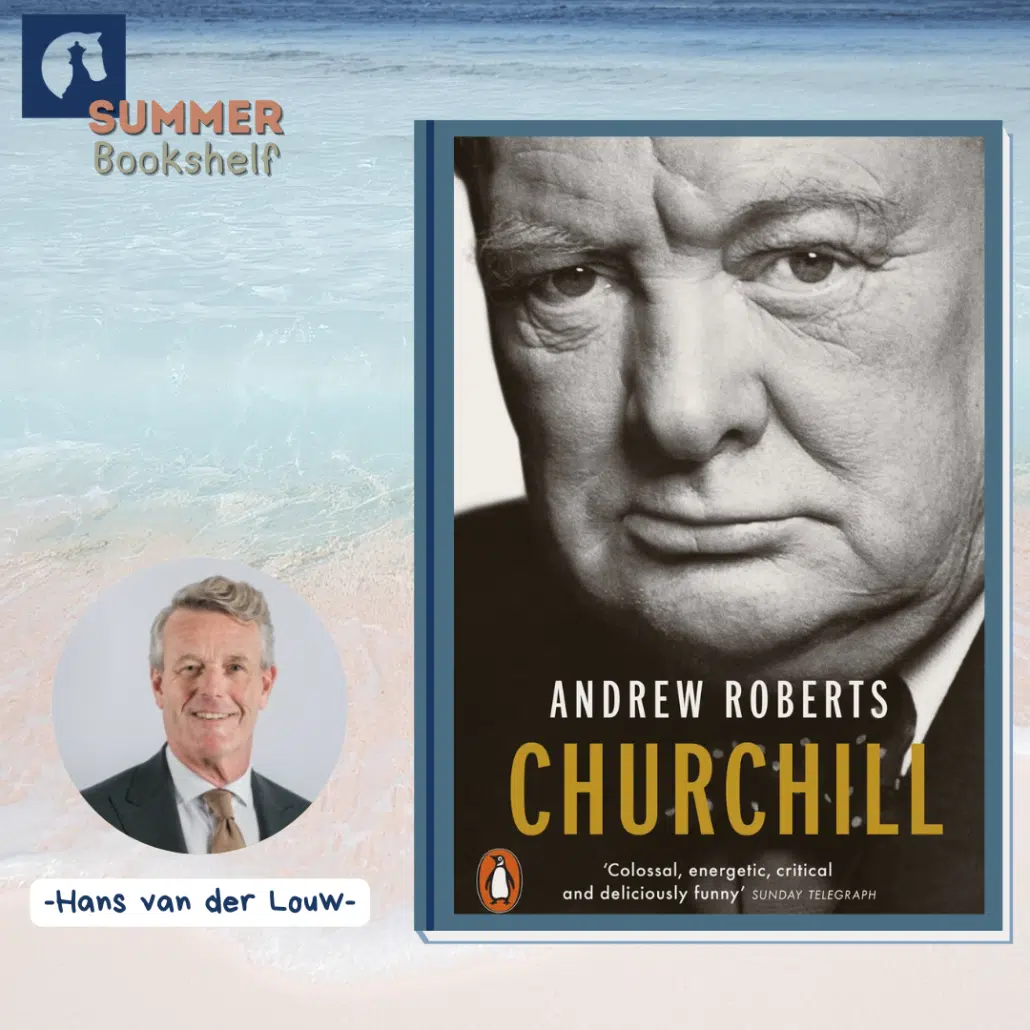
Strategic Advisor, Defence and Security Hans van der Louw recommends:
“Churchill, Walking with Destiny” by Andrew Roberts
This biography of Winston Churchill, inspirational statesman, writer, orator and of course Prime Minister of the United Kingdom during WW2, is the ultimate guide to (better) understand his complex personality, beliefs and actions. The book contains deep political analyses and probably an even more thorough deep-dive into Churchill’s character, with all of his strengths (and flaws and faults). There are many books and biographies on Churchill available, but in my opinion this is the best single-volume on one of the greatest leaders of the free world ever. With over 1,150 pages, it is quite a long read, but once started, it will be difficult and almost impossible to stop reading. It is an amazing book!
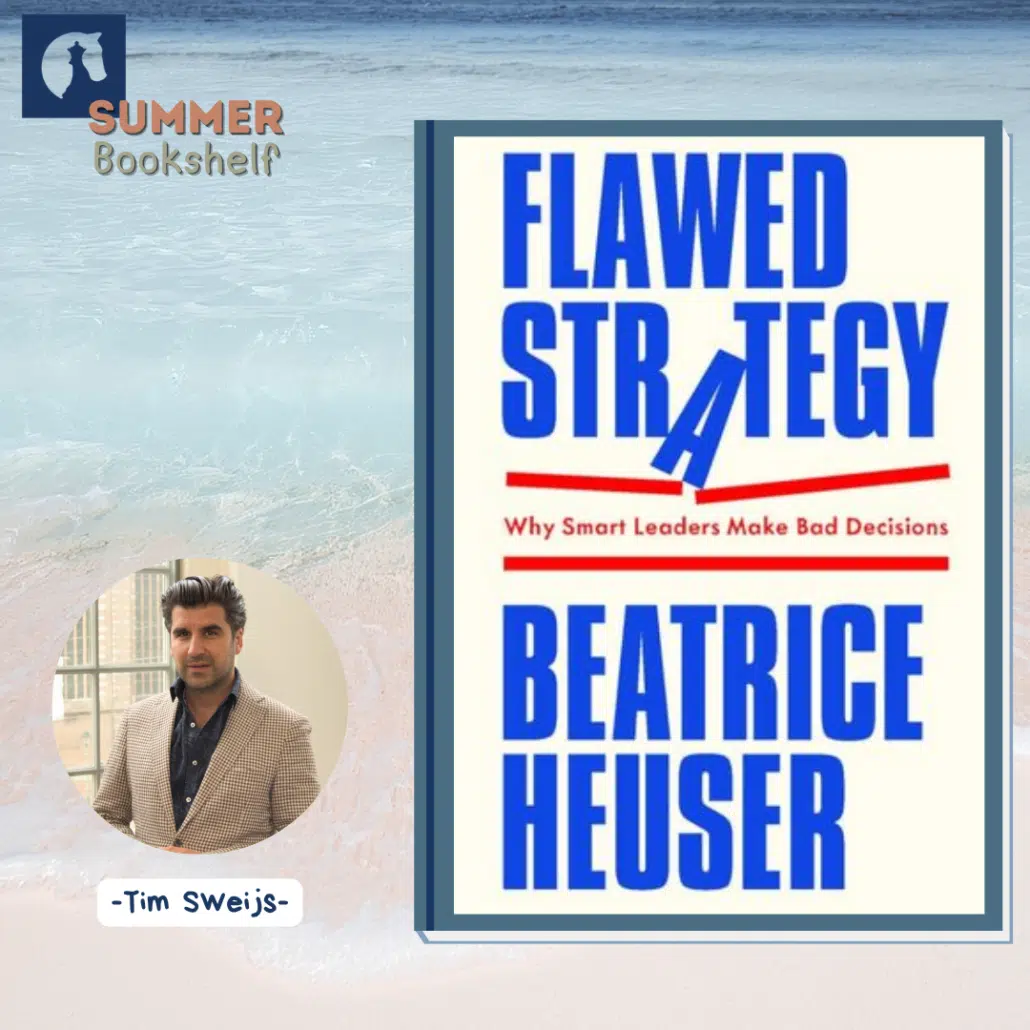
Director of Research Tim Sweijs recommends:
“Flawed Strategy: Why Smart Leaders Make Bad Decisions” by Beatrice Heuser
“Beatrice Heuser, the Grand Dame of Strategic Studies, has authored an impressive oeuvre of densely researched and elegantly written books, edited volumes, and articles. Erudite, with a deep knowledge of the history of war and strategy that transcends centuries and even eras, she would not be out of place in the nineteenth century. The breadth and depth of her encyclopedic knowledge makes her an intellectual powerhouse—a human Large Language Model avant la lettre.
Her latest book, Flawed Strategy: Why Smart Leaders Make Bad Decisions, offers a timely analysis of the psychological flaws that have shaped decisions during critical international crises. Flawed Strategy should be required reading both for decision-makers and those who advise them. But the book also has plenty of insight to offer to (aspiring) scholars who want to better understand international decision making processes, as well as more general audiences with a keen interest in matters involving war and peace, to whom the book will provide an equally valuable and accessible primer.”
For the full review here.
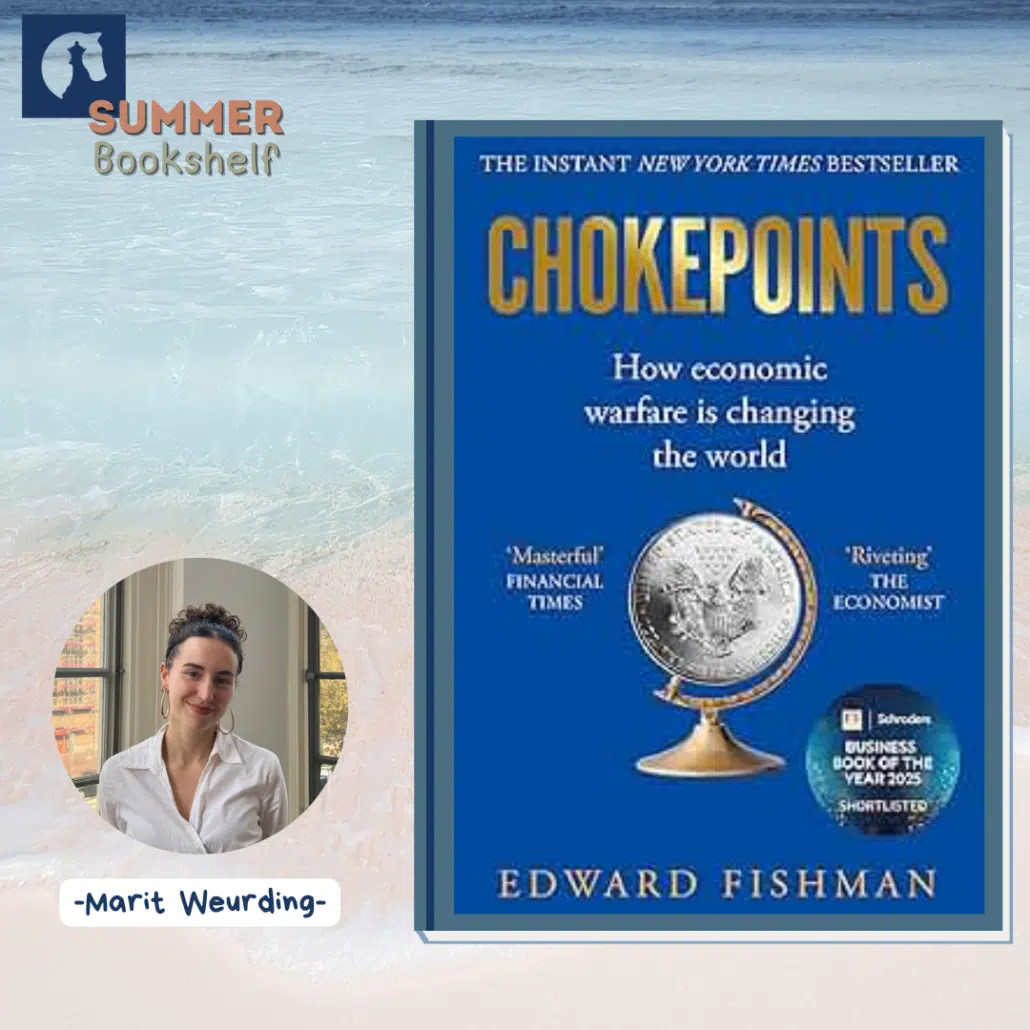
Assistant Analyst Marit Weurding recommends:
“Chokepoints: How economic warfare is changing the world” by Edward Fishman
For anyone who wants to gain insights on what happens before, during and after the announcements of sanctions and other forms of economic warfare: “Chokepoints is a gripping behind-the-scenes account of one of the most pivotal geopolitical shifts of our time. Drawing on extensive research, personal experience and interviews with key players, Edward Fishman, a former top US State Department official, takes us deep into the back rooms of power around the world. He reveals how sanctions, tariffs and control over modern-day chokepoints – such as the US dollar, advanced microchip technology and critical energy supply chains – have become the primary weapons of twenty-first-century geopolitics.”







Related Content