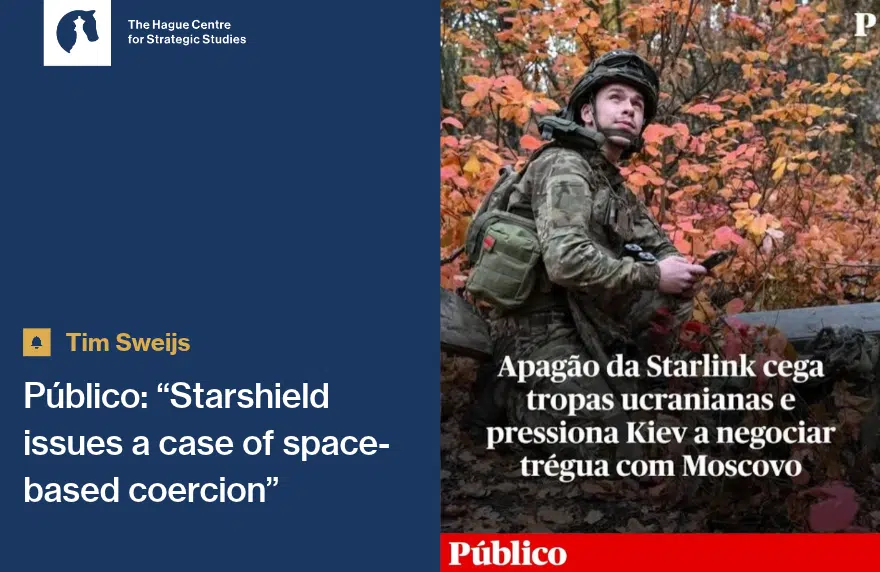
Tim Sweijs | Público: “Starshield issues Ukraine a case of space-based coercion”
The Trump administration blames Ukraine for the stalemate in the war and increases pressure via Starshield – leaving troops blind and pushing Kyiv toward negotiations with Moscow. “This is a case of space-based coercion,” comments HCSS research director Tim Sweijs in Público. “After all, orbital assets, such as satellites, are vital to the conduct of modern warfare. Without them, the parties to a conflict are left blind, deaf, and mute. Europe needs to step up its efforts to bolster Ukraine’s defences – specifically by filling the void that would be left should the U.S. cease its support entirely.”
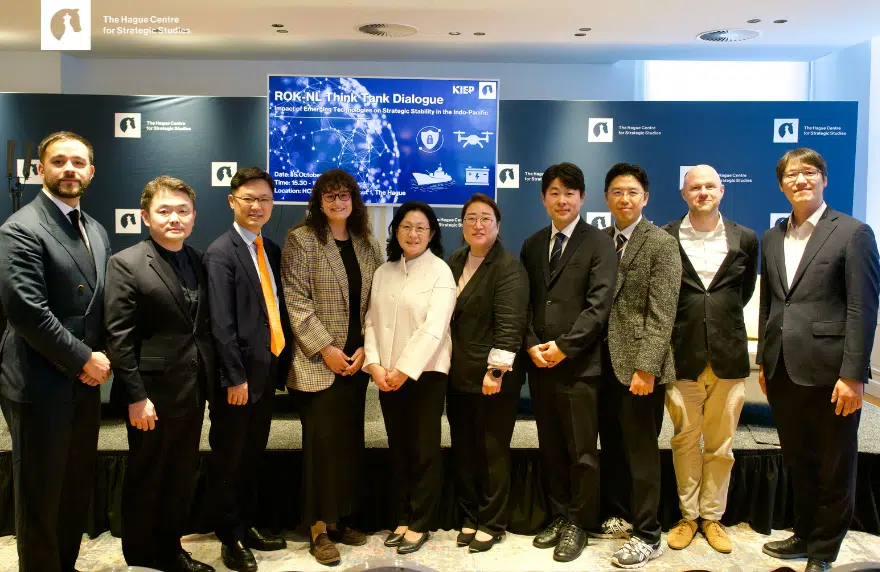
HCSS and KIEP Convene Third ROK-NL Think-Tank Dialogue on Strategic Stability in the Indo-Pacific
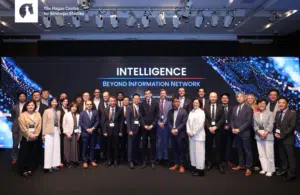
On October 15, 2026, HCSS and KIEP organised the third ROK-NL Think-Tank Dialogue in The Hague on strategic stability in the Indo-Pacific. Dutch and South Korean experts convened to discuss the impact of emerging technologies on defence industry strategies and bilateral cooperation. The topics from the talks included artificial intelligence, cyber security, military shipbuilding and battery technologies. Key insights from the dialogue were that (1) defence industry cooperation is essential to the strategic relationship, (2) technologies are having a growing impact on stability, and (3) that ongoing dialogue can strengthen opportunities for cooperation. The event contributed to strengthening the dialogue between Dutch and South Korean experts and laid the groundwork for further exchanges on shared strategic challenges.
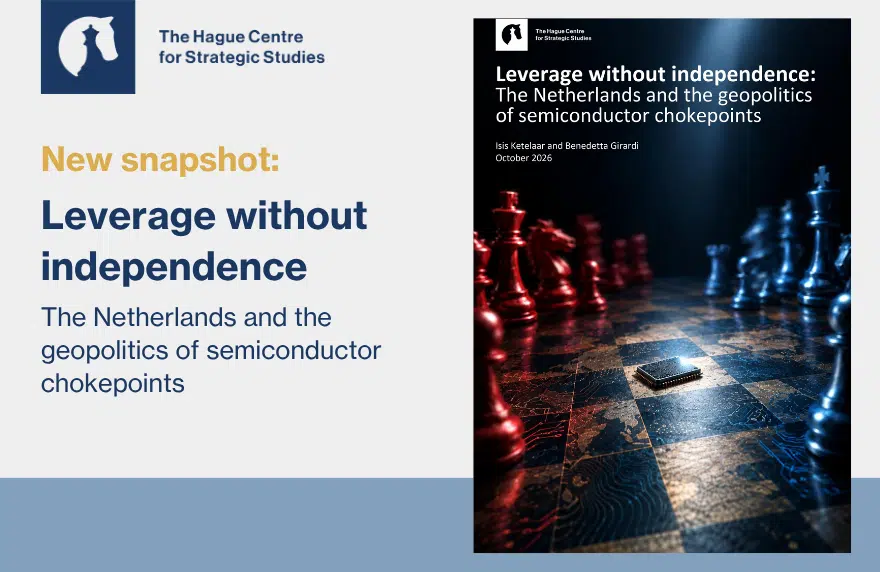
HCSS Snapshot | Leverage without independence: The Netherlands and the geopolitics of semiconductor chokepoints
A new HCSS paper by Isis Ketelaar and Benedetta Girardi examines Dutch semiconductor export policy from 2019 to 2026, highlighting the balance between cooperation with US export controls and national decision-making autonomy. ASML’s monopoly on the world’s most advanced chipmaking machines gives the Netherlands strategic leverage in US-China competition. However, commercial ties with China, security reliance on the US, American export control laws, and EU regulations constrain its freedom. The study shows how the Netherlands has improved its ability to navigate these limits, offering lessons for smaller powers.