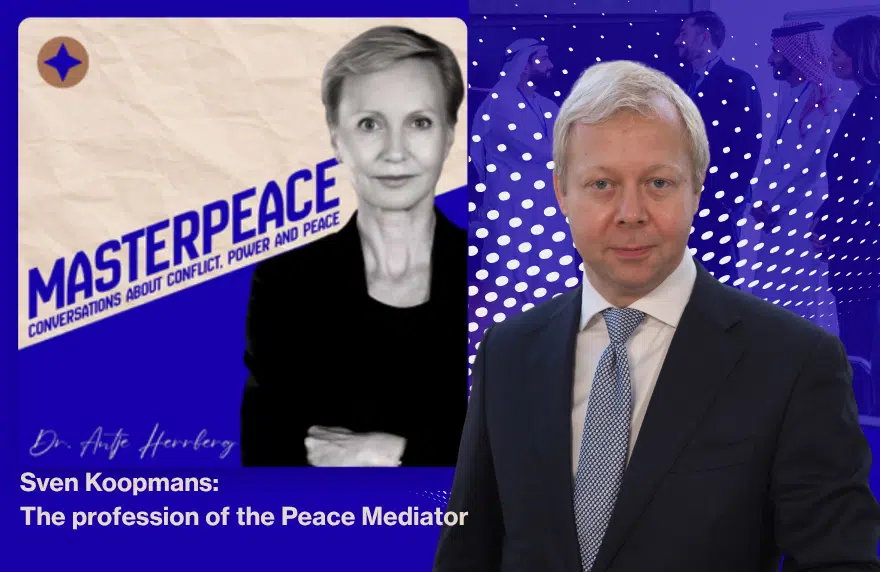
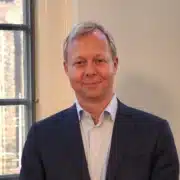
What does it take to become a peace negotiator? In this episode of Masterpeace, peace mediator Antje Herrberg speaks with HCSS Chair for Negotiation and Conflict Resolution Sven Koopmans, whose career spans law, academia, politics, diplomacy and international mediation. Drawing on his experience as EU Special Representative for the Middle East Peace Process, Koopmans reflects on the realities of peacemaking, why many mediators are first-timers, and what successes and failures can teach us about resolving conflict in a turbulent world.
How do you become a peace negotiator? Why are there so many first-timers and is that wrong? What can we learn from failures and successes? And how does an EU Special Representative for the Middle East practice Peace Mediation?
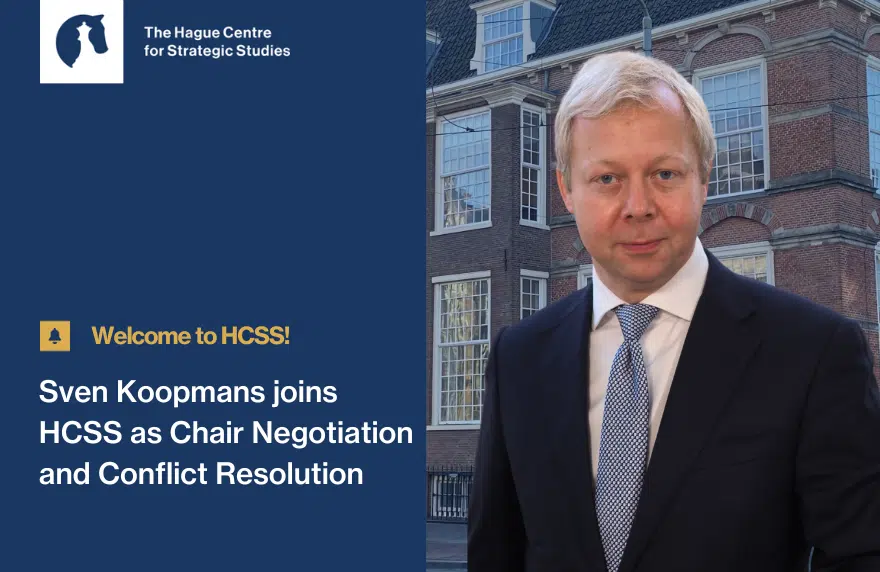
Sven Koopmans is someone who knows and practices in different dimensions, which makes him special: as a jurist, scholar, expert, politician and diplomat, and now the chair for Negotiation and Conflict Resolution at The Hague Centre for Strategic Studies (HCSS).
What to deal with in so called ‘hopeless’ peace processes ? Peace does not happen by accident. It is designed. Koopmans and Herrberg discuss:
• Why peace processes often fail
• The role of professional mediators behind political negotiations
• “Reverse engineering” peace from a desired future
• Whether Europe can still be a credible peacemaker
Source: Masterpeace Podcast, May 28, 2026
About the Masterpeace podcast
What is Masterpeace? Peace is not the absence of conflict. It is the mastery of it. The world is full of conflict — and often deeply confused about how peace is actually made.
Peace is not simply the absence of conflict. It is a craft. An art. A skill. And an attitude practiced by people who know how to work with conflict rather than deny it. In Masterpeace, peace mediator Antje Herrberg explores this craft.
Some episodes are deep dives into the principles and realities of peace mediation and peacemaking. In others, Antje speaks with remarkable individuals “Masters of Peace” people who, in their own fields, have developed profound ways of navigating conflict and building understanding.
These conversations go beyond surface debates. They open a space for reflection, experience, and wisdom about what it really takes to work with conflict in the real world.
Each episode begins with a short introduction to the theme, unfolds in an open conversation with the guest, and closes with reflections and lessons learned.
Because even in a confused and conflict-ridden world, peace remains something that can be practiced and mastered.
Experts
Related Content