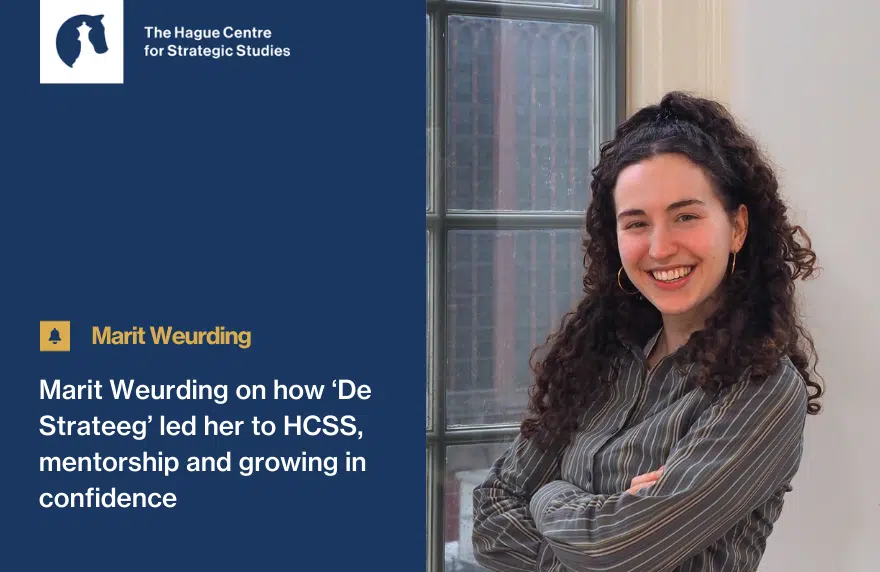
Hi Marit, could you introduce yourself? Tell me where you are from, what your educational background is, if you had any prior work experience before your internship at HCSS?
Hi there! My name is Marit Weurding and I’m from the Netherlands. After finishing high school, I moved to Groningen, where I obtained my interdisciplinary Bachelor’s degree in Liberal Arts and Sciences at the University College Groningen (UCG). During this time, I specialised in International Relations and International Law, and I was also a member of UCG’s first ever Sexual Well-being Education Initiative, giving me the chance to contribute to a safe and open learning environment for all. After my time in Groningen, I decided to pursue a Master’s degree in Political Science; International Relations, at the University of Amsterdam. I got to further explore my interests in IR, which includes many topics, but just to name a few: the nexus between tech and geopolitics, the Arctic region, US-China dynamics, and African international relations. Eventually, this led me to writing my MA thesis on Big Tech activities and its impact on digital sovereignty in Kenya.
Before joining HCSS as an intern, I had no work experience in the field of IR nor policymaking. However, when starting this internship, I also started as a participant of the EU Erasmus Youth Think Tank on EU-Africa Cooperation. This think tank specifically focused on the complex question of how the EU should approach economic affairs with African states in a sustainable manner, while aligning with current priorities. After a six-month period of intensive work, we delivered our policy advice to the Africa Department of the Dutch Ministry of Foreign Affairs. Participating in this think tank next to a full-time internship has proven to me once more how motivated I am to work in the field of IR and policymaking, because even though this required the necessary organisational skills, I find the lessons learned from this combined experience invaluable.
What initially attracted you to the HCSS internship programme and why did you apply? How did you find out about HCSS?
Considering that I also like to engage with subjects related to geopolitics and global affairs in my personal time, I first found out about HCSS through its podcast “De Strateeg”, which I listened to religiously. HCSS’ relevant and interdisciplinary focus of research combined with a group of high-level experts seemed like the perfect environment to gain my first-ever working experience. I was looking for an internship during which I could put my theoretical knowledge into practice and meaningfully contribute to the field, regardless of being an intern. When looking into the HCSS General Internship and gaining information on other’s experiences, I was confident that HCSS was the place where I could realise this goal.
Is there any particular research you really enjoy doing or any projects you really like working on? What research topics did you work on at HCSS? Were there any topics that were new to you?
During my intern period, I have had the opportunity to work on a variety of projects. For example, I worked on projects related to hybrid threats, lawfare, geo-economics, and on the Strategic Monitor for the Dutch Police. The different content and deliverables of the projects allowed me to improve a bunch of my skills: from conducting research and interviews, analytical writing, to organisational skills and even working with a 3D printer! One of my first projects was a Serious Gaming deliverable for hybrid threat anticipation. This invited me to learn new ways of gathering and sharing knowledge. What I’m also very excited about is the opportunity to write a snapshot for HCSS, for which you can choose your own research subject and collaborate with an experienced analyst in that area. I think the snapshot opportunity very much reflects HCSS’s support for pursuing your personal interests and development during your internship.
How did the team or your supervisor/mentor contribute to your internship experience?
The people working at HCSS are extremely approachable. There is little to no feeling of hierarchy, and as an intern I felt like my input was respected which helped to build confidence and allowed me to be an active contributor to projects. What I also found very valuable was that you can work independently and coordinate most of your own tasks, giving me great insight into how I handle workdays and responsibilities. Despite the independence, I never felt like I was just “thrown into the deep”, because each analyst takes the time to clearly communicate your tasks and checks in with you throughout the project.
Additionally, I would like to highlight the value of the mentor aspect and the coordinators of the internship program. The guidance and clear communication of the intern coordinators Laura Jasper and Benedetta Girardi, as well as having my personal mentor Stephanie Govaerts, really elevated this experience by always ensuring that there was someone trustworthy to turn to, making me feel comfortable from the start.
How has this internship influenced your career goals or aspirations?
Besides acquiring practical skills, my internship period at HCSS was a test to find out whether I enjoy working on think tank research projects and to grow professionally. I remember that during my interview I was asked what I hoped to gain from this experience, and I had answered that I’d like to leave with much more confidence in my own capabilities than I walked in with the first day. Now, after six months, I can truly say that I have achieved that goal, and I would not have been able to without the great opportunities and set-up of HCSS’s General Internship Program.
With the experience I gained during this internship, I am excited for my next steps. Considering that I really enjoy working at HCSS, I have extended my internship with five months. After, I aim to continue informing policymakers with relevant research, either in the Netherlands or abroad.
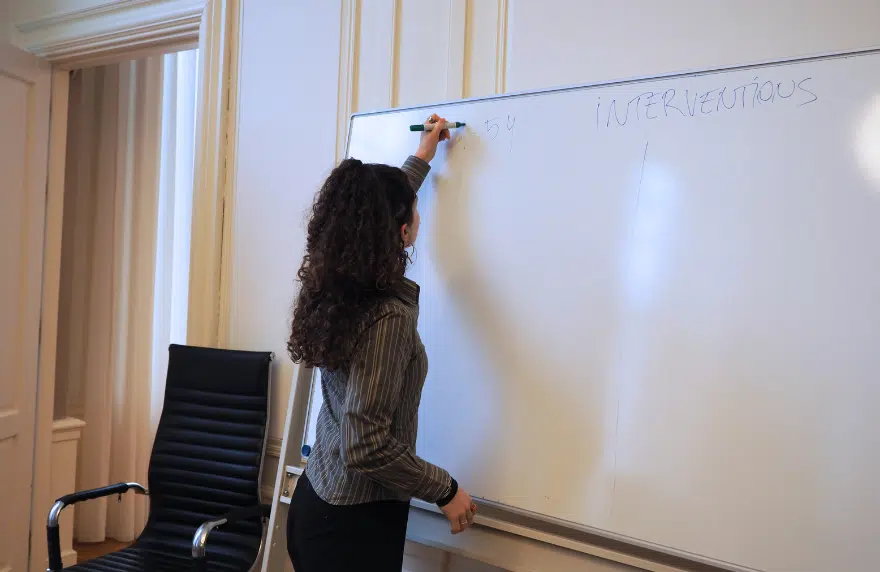

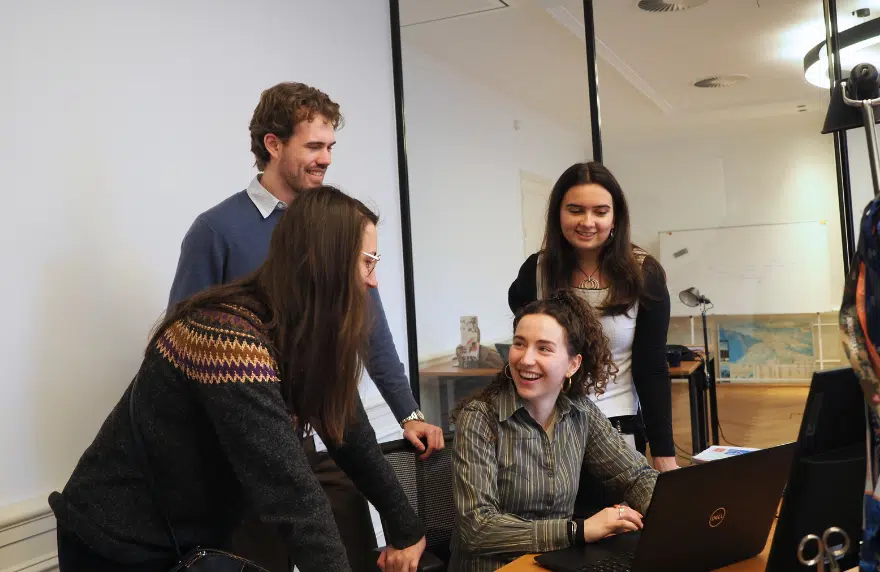

This interview was conducted by HCSS Communications & Events Officer, Stephanie Govaerts
Experts

Related Content