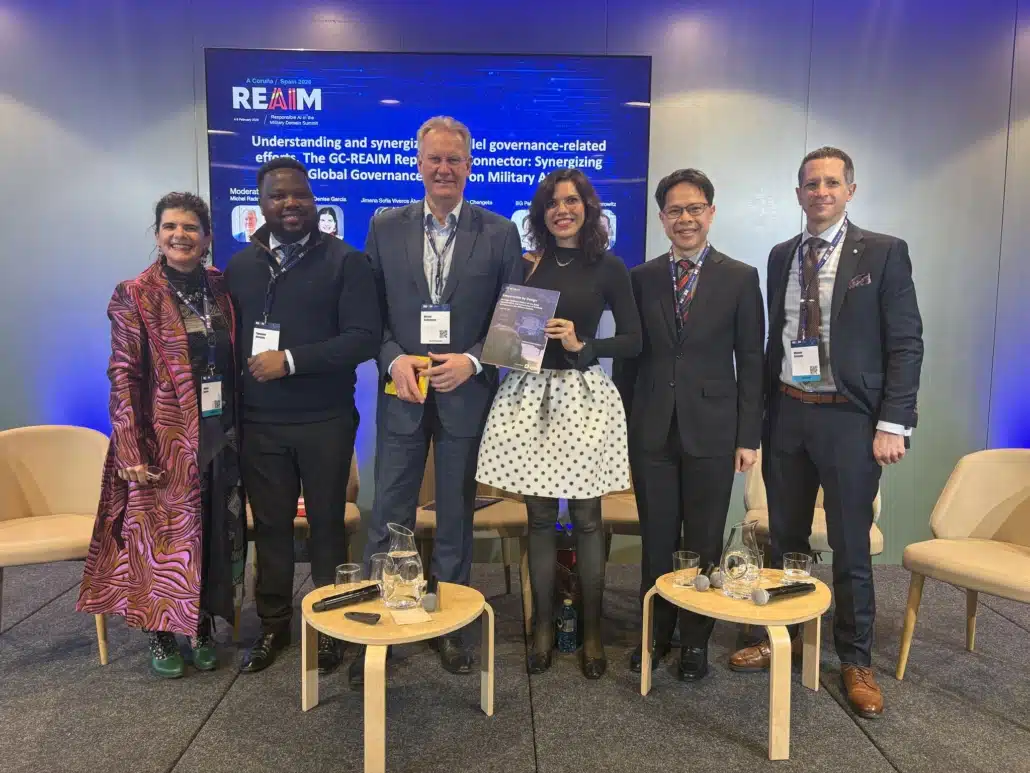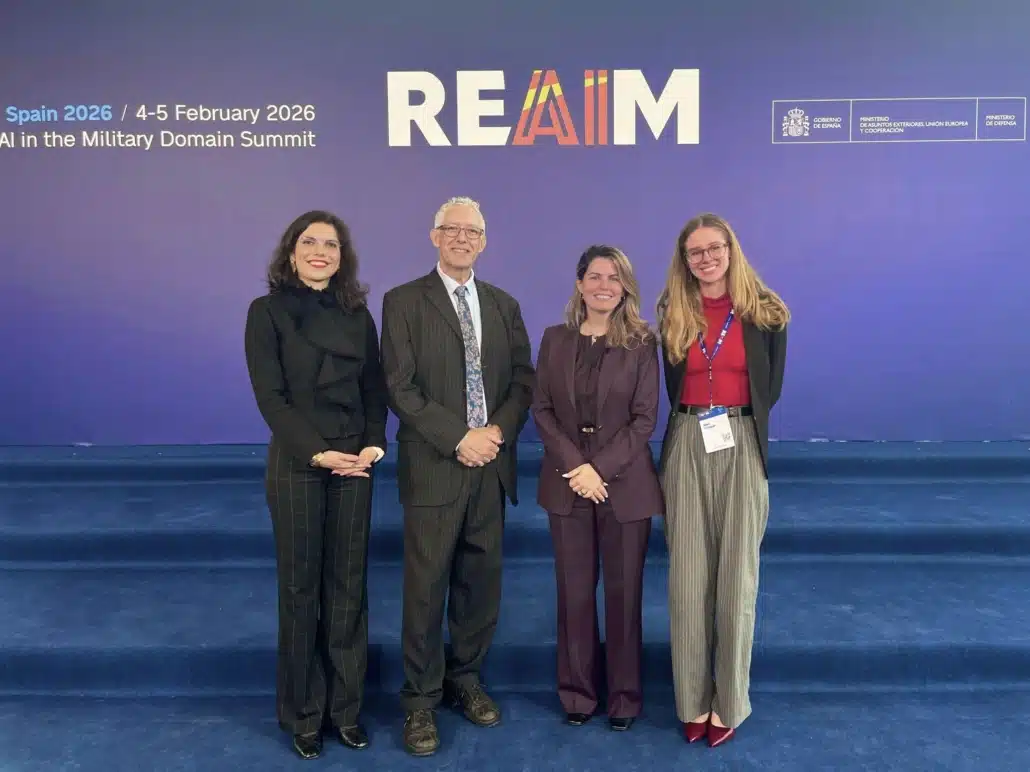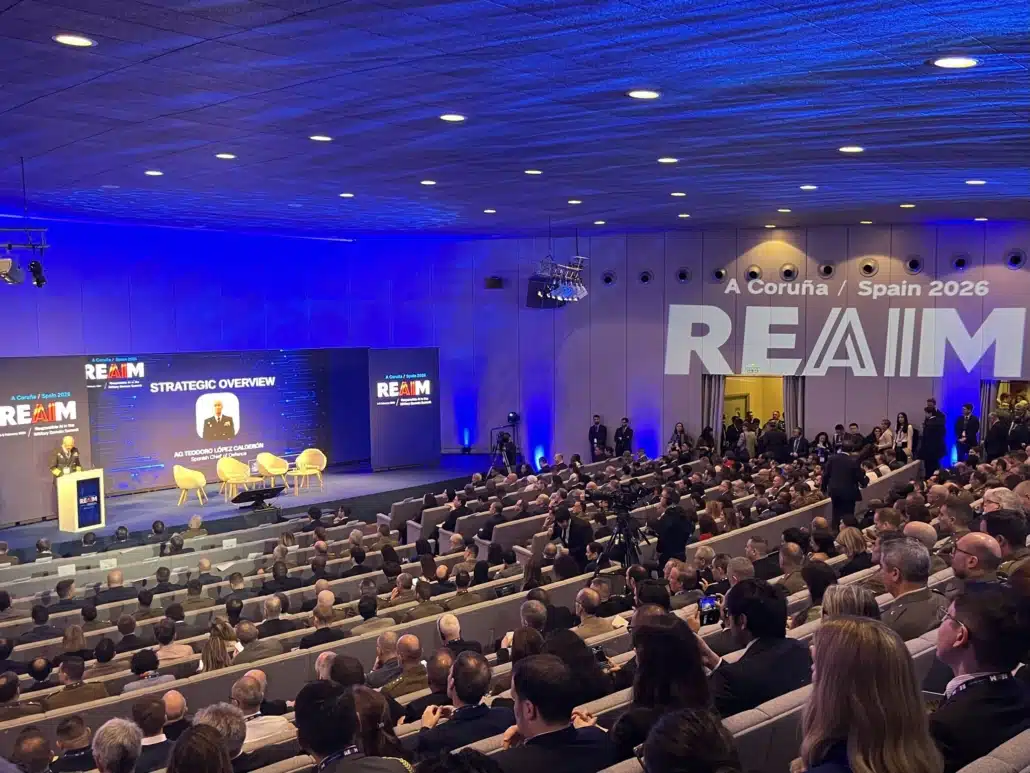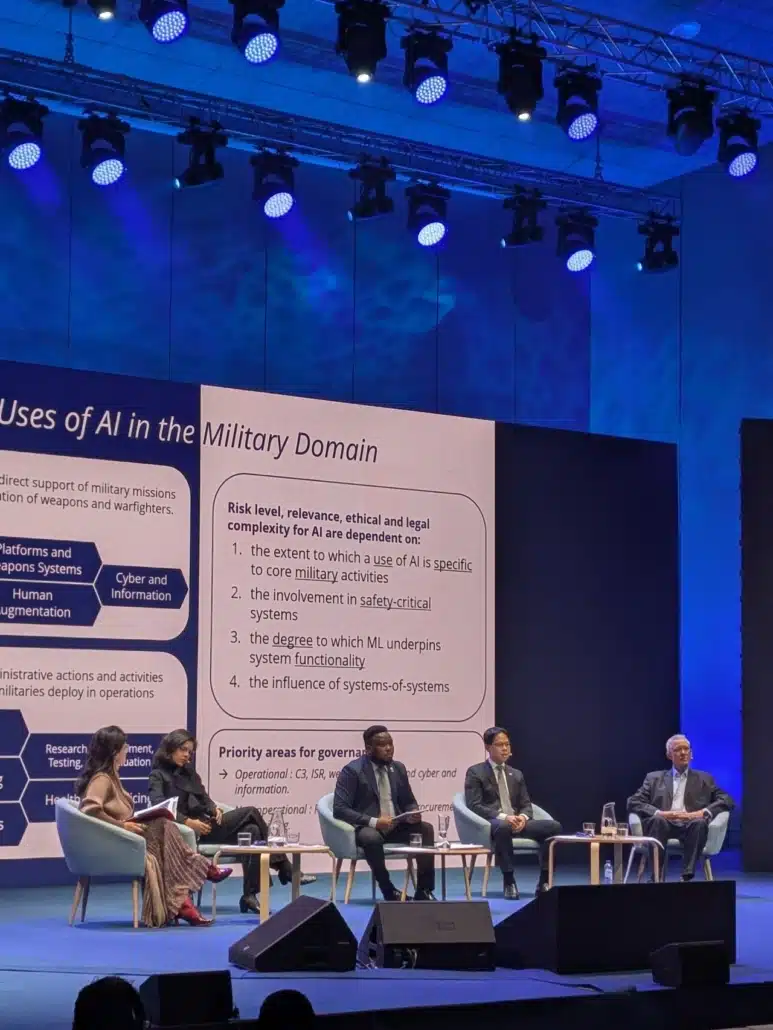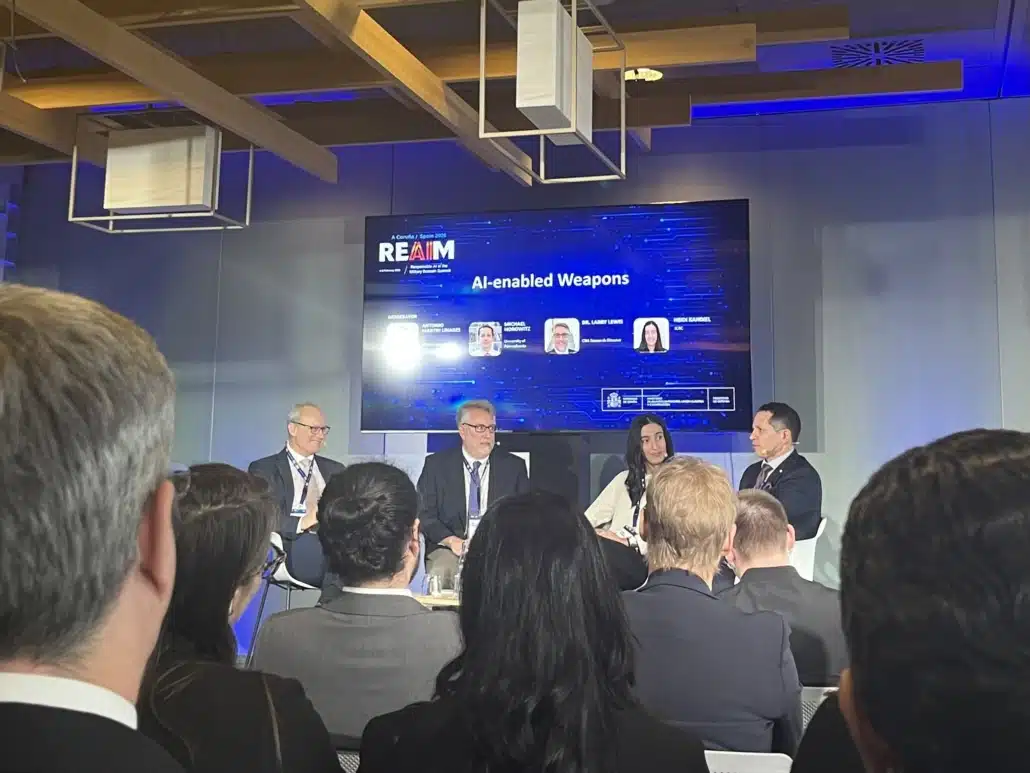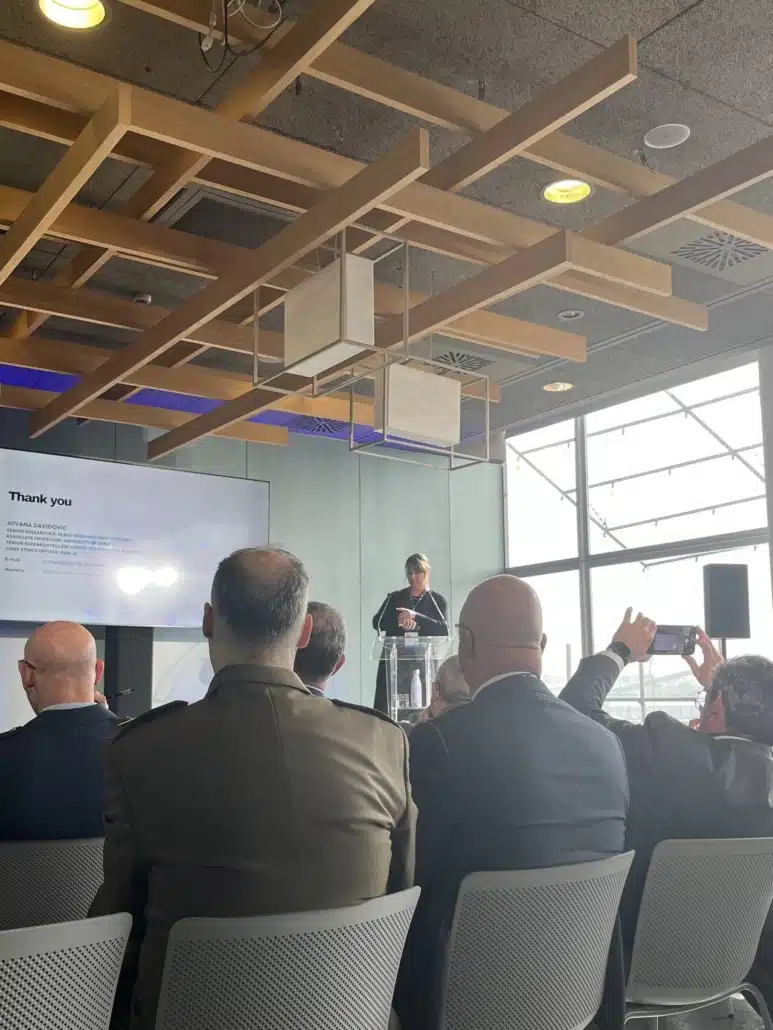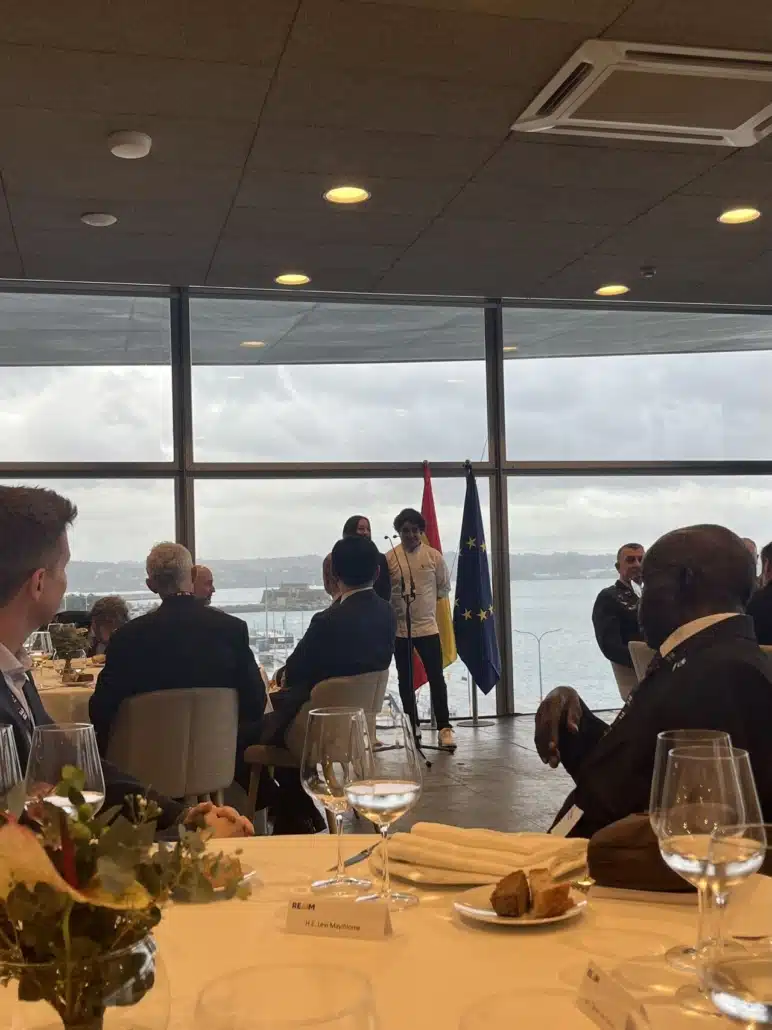
At the beginning of the month, on February 4-5, 2026, the third global Summit on Responsible Artificial Intelligence in the Military Domain (REAIM) was hosted in A Coruña, Spain. The REAIM Summit is a global platform that brings together governments, industry, academia, and civil society to address the opportunities, risks, and governance challenges associated with military applications of AI.
The inaugural summit was hosted by the Netherlands in The Hague in 2023, followed by the second summit in Seoul hosted by the South Korea in 2024. The third edition in Spain focused on a central question for the international community: how to translate responsible AI principles into operational practice.
GC REAIM’s Role at REAIM 2026
The Global Commission on Responsible Artificial Intelligence in the Military Domain (GC REAIM) is an initiative of the Government of the Netherlands that was launched during the 2023 REAIM Summit. Upon request of the Dutch Ministry of Foreign Affairs, the Hague Centre for Strategic Studies (HCSS) acts as the Secretariat of the Commission.
GC REAIM Commissioners and Experts were actively engaged throughout REAIM 2026, contributing to the key sessions and discussions that helped shape to the Summit’s outcomes.
The summit brought together policymakers, military representatives, researchers, and industry experts to address one of the central challenges in this field: translating responsible AI principles into operational practice. Discussions revolved on standards, governance mechanisms, implementation pathways and how technical, legal, and policy communities are working to align efforts across contexts.
Three Key GC REAIM Highlights:
1. The HCSS x CIGI Pre-Summit Workshop: Operationalizing Responsible Practice in the Military Artificial Intelligence Life Cycle
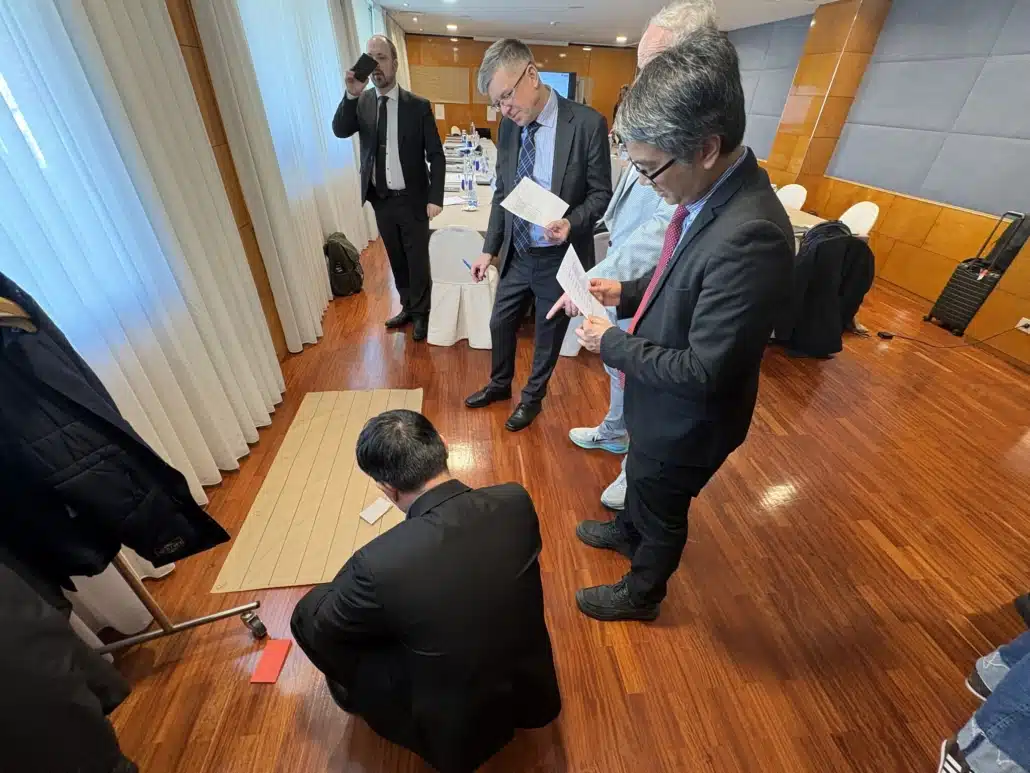
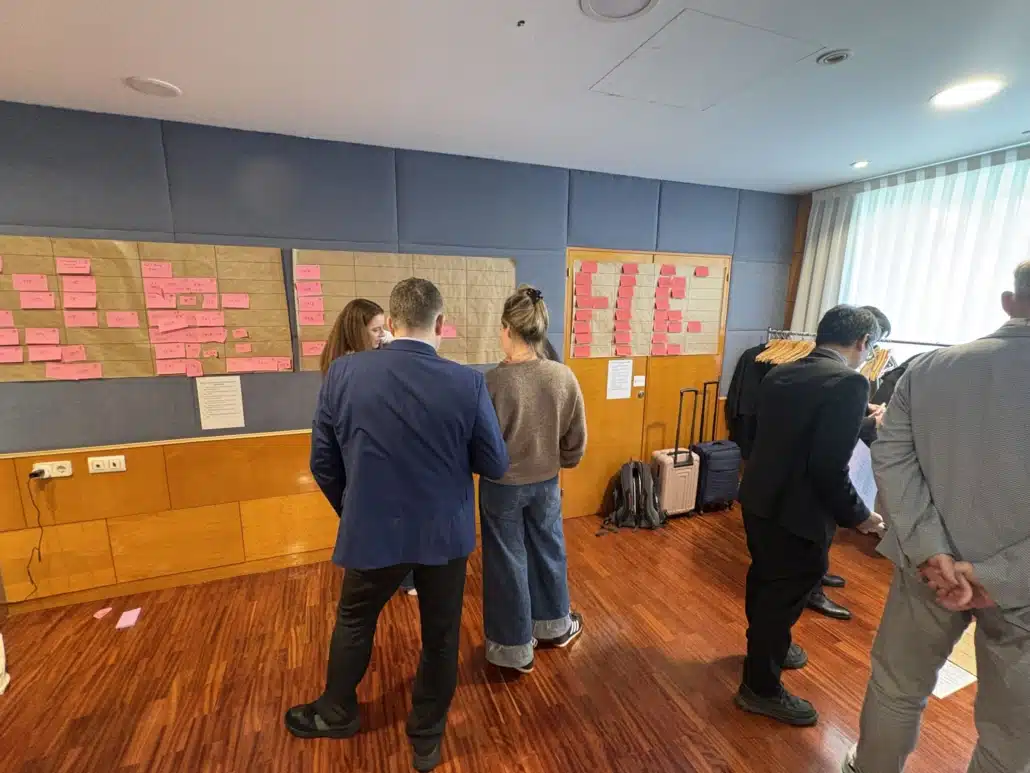
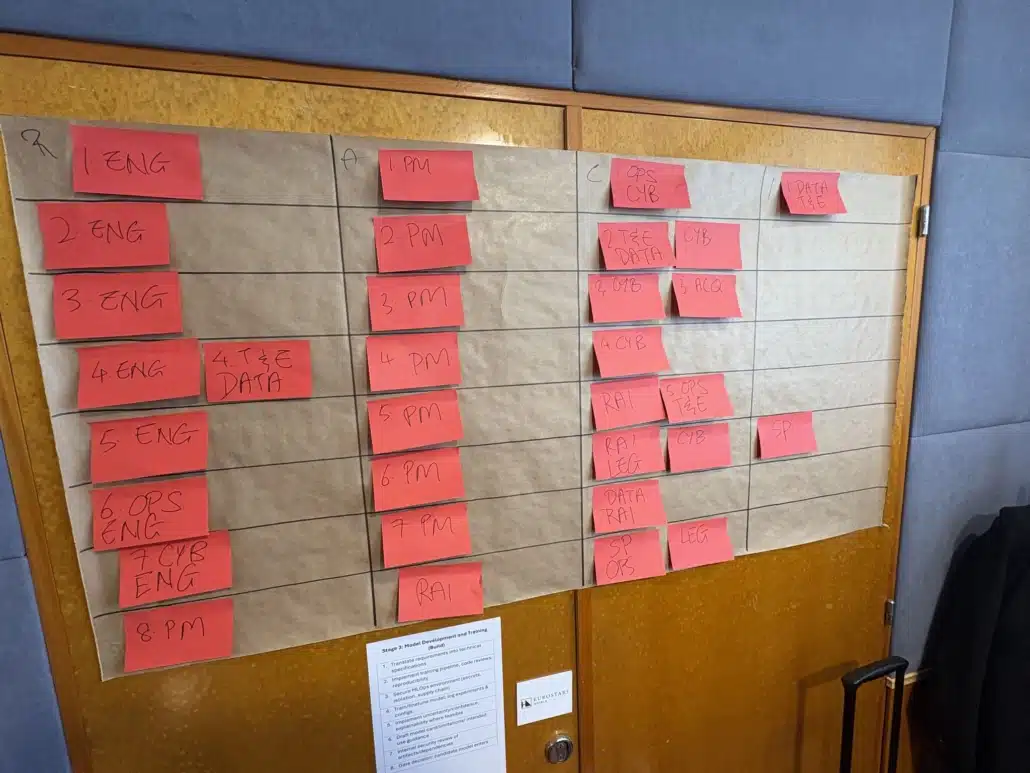
The day before the summit began, HCSS convened a workshop in collaboration with the Centre for International Governance Innovation (CIGI). The session explored how a RACI matrix (Responsible, Accountable, Consulted, Informed)—a management tool widely used to clarify roles and responsibilities—can be applied across the lifecycle stages of military AI systems.
The discussion generated valuable insights into:
- How responsibility and accountability shift between actors across different lifecycle phases
- Where gaps in oversight may emerge
- How standards and governance mechanisms can be better operationalized
The workshop strengthened understanding of accountability transfers and provided insights for future standard-setting and implementation.
2. Presentation of the GC REAIM Strategic Guidance Report
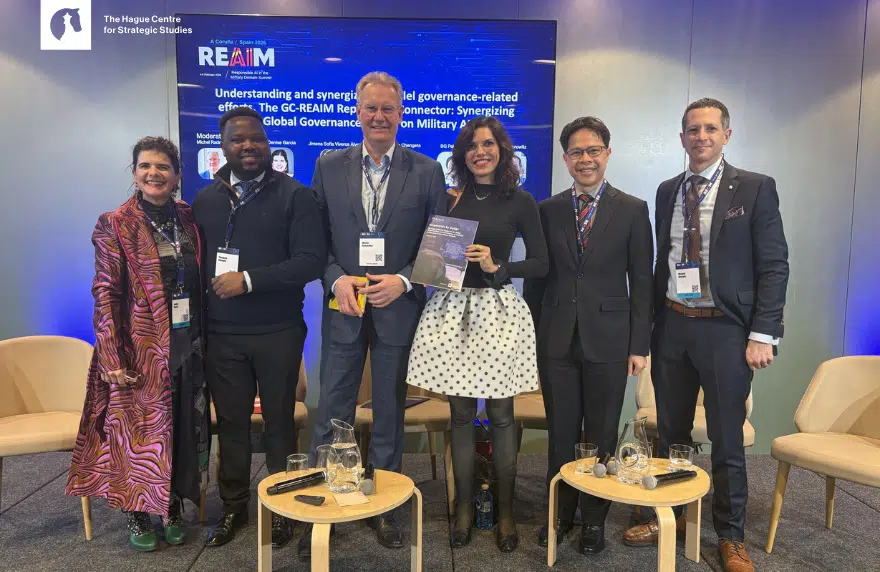
Five Commissioners presented the GC REAIM Strategic Guidance Report during the plenary session. The report outlines actionable recommendations for translating high-level principles on responsible military AI into concrete governance, technical and institutional measures.
Notably, the Strategic Guidance Report was referenced in the final Summit outcome documents, “Pathways to Action”, which was signed by more than 40 states – demonstrating the Commission’s direct contribution to advancing policy action at the international level.
3. Closed-Door Expert Roundatble: Technical and Institutional Operationalization of Responsible Artificial Intelligence
GC REAIM also organised a closed-door expert roundtable aimed at identifying immediate and feasible areas for cross-institutional cooperation. Discussions focused on collaboration between defence institutions, scientific centres of excellence, and policy communities.
The session enabled an open exchange on:
- Shared implementation challenges
- Emerging best practices
- Practical opportunities for cooperation
We were pleased to have welcomed insights from states represented in the meeting, including France, the United Kingdom, Singapore, Spain, the Netherlands, Canada, and Australia.