HCSS
  • News
    • BNR | De Strateeg
    • Columns
    • De Tafel van Mars
    • Events
    • HCSS Newsletter
    • Podcasts
  • Publications
    • Publications
      • All Projects
      • All Publications
    • Geopolitics & Governance
      • Transatlantic Relations
      • Russia & Eurasia
      • Europe in the Indo-Pacific
      • AI in the Military Domain
      • PROGRESS / Strategic Monitor
      • Socio-Political Instability Survey
    • Economics & Technology
      • Emerging Technologies
      • Critical Materials
      • Energy Security
    • Defence & Security
      • On Future War
      • Deterrence and Arms Control
      • Hybrid Threats
      • Cyber Security
    • Society & Resilience
      • Nationale Veiligheid en Weerbaarheid
      • Publieksmonitor Maatschappelijke Stabiliteit
      • Transnational Organised Crime
      • Strategic Monitor Dutch Police
    • Climate, Water & Food
      • Climate Security
      • Water, Peace & Security (WPS)
      • Food Security
  • Dashboards
    • Dashboards
      • All Tools
        • GINA
        • SARA
    • Geopolitics & Governance
      • DFRI
      • GINA | Diplomatic
      • GINA | Information
      • CLARIS
    • Economics & Technology
      • DOMINO
      • GATRI
      • GINA | Economic
      • Cyber Arms Watch
      • Cyber Comparator
      • Cyber Norms Observatory
      • Cyber Transparency
    • Defence & Security
      • GINA | Military
      • Nuclear Timeline
    • Society & Resilience
      • DAMON
    • Climate, Water & Food
      • Agrifood Monitor
      • CARMEN
      • CRM Dashboard
  • Leadership Practice
    • HCSS Leadership Practice
    • HCSS Boardroom
    • Strategic Negotiations Course
    • Serious Gaming
    • IDCSS | Indo-Dutch Cyber Security School
    • SANCS | Southern Africa-Netherlands Cyber Security School
  • About HCSS
    • Contact Us
    • HCSS Datalab
    • Our People
    • Funding & Transparency
    • Internship Programme
    • Press & Media Inquiries
    • Studio HCSS
    • Working at HCSS
    • Global Futures Foundation
  • Click to open the search input field Click to open the search input field Search
  • Menu Menu

News

EU-Turkey high level Energy Dialogue fuels hopes for new strategic energy partnerships

March 19, 2015

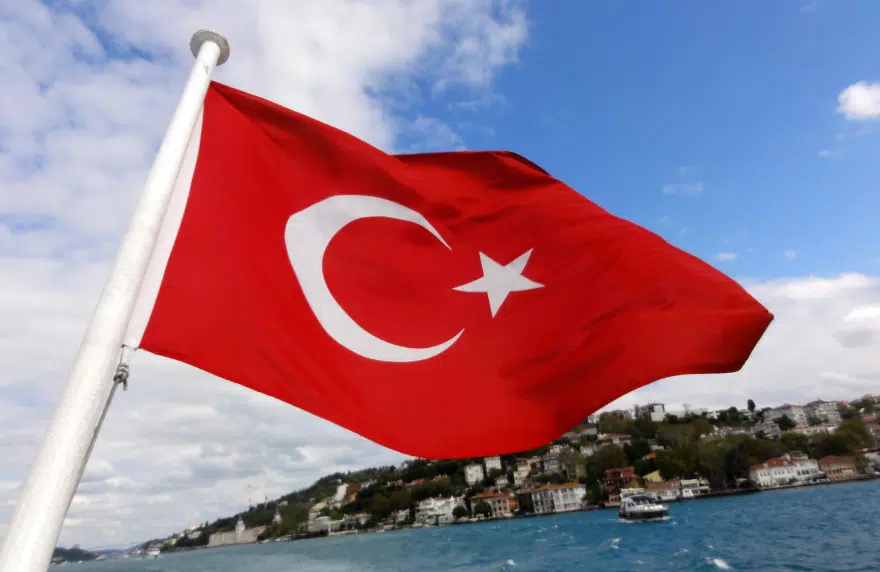
On 16 March, the EU and Turkey launched a high-level energy dialogue, in a move designed to improve co-operation at senior levels of government. The initiative is in response to global events that are affecting energy supplies. The parties will meet regularly — at least once a year– at the ministerial level, while the next meeting will focus on gas, electricity, nuclear, renewables, as well as energy efficiency and climate action.

What are the benefits of increased cooperation for both parties? And, with a larger role for Turkey in energy transit, how will this impact European energy security? The Southeast Europe Times Türkiye, a Turkish daily, interviewed Sijbren de Jong on the matter. The full article can be read here.

  • Share on Facebook
  • Share on X
  • Share on WhatsApp
  • Share on LinkedIn
  • Share by Mail

Experts

Related News

Related Content

Energy in Germany
Energy R&D Made in Germany: Strategic Lessons for the Netherlands
Strategic Energy Analyst Jan Braun at the Energeia Energy Day 2019
IRENA report | Geopolitics of the energy transition: Energy security

Office Address

  • The Hague Centre for Strategic Studies
  • Lange Voorhout 1
  • 2514 EA The Hague
  • The Netherlands

Contact Us

  • Telephone: +31(70) 318 48 40
  • E-mail: info@hcss.nl
  • IBAN NL10INGB0666328730
  • BIC INGBNL2A
  • VAT NL.8101.32.436.B01
  • Contact

Legal & Privacy

  • Disclaimer & Privacy
  • Algemene Voorwaarden 2024 (NL) 
  • Terms & Conditions 2024 (ENG) 
  • Algemene Voorwaarden 2026 (NL) 
  • Terns & Conditions 2026 (EN) 
  • Coordinated Vulnerability Disclosure
  • Ethical Standards
  • Manual for Responsible Use of AI

Follow us

© The Hague Centre for Strategic Studies
    Link to: Europese Energie Unie hèt wapen tegen Russische dreiging? Link to: Europese Energie Unie hèt wapen tegen Russische dreiging? Europese Energie Unie hèt wapen tegen Russische dreiging? Link to: Drempel naar inzet nucleaire wapens is niet meer zo hoog Link to: Drempel naar inzet nucleaire wapens is niet meer zo hoog Drempel naar inzet nucleaire wapens is niet meer zo hoog
    Scroll to top Scroll to top Scroll to top

    GDPR Consent

    Your privacy is important to us. Here you can set which consent you are allowing us with regards to the collection of general information, the placing of cookies of the collection of personal information. You can click 'Forget my settings' at the bottom of this form to revoke all given consents.

    Privacy policy | Close
    Settings

    GDPR Consent Settings

    Your privacy is important to us. Here you can set which consent you are allowing us with regards to the collection of general information, the placing of cookies of the collection of personal information. You can click 'Forget my settings' at the bottom of this form to revoke all given consents.

    Website statistics collect anonymized information about how the site is used. This information is used to optimize the website and to ensure an optimal user experience.

    View details

    Functional cookies are used to ensure the website works properly and are neccessary to make the site function. These cookies do not collect any personal data.  

    View details
    Forget my settings Deleted!