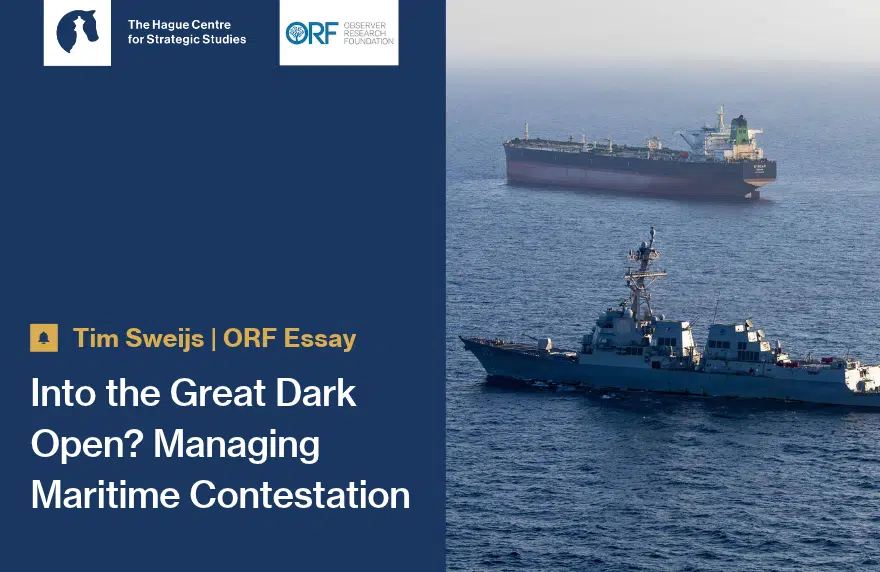
Tim Sweijs | ORF Essay: “Into the Great Dark Open? Managing Maritime Contestation”
The world’s seas are becoming arenas of strategic confrontation. As states seek to control vital shipping routes, expand their naval fleets, and deploy new maritime technologies, the risk of escalation is growing. In this essay, originally published by the Observer Research Foundation (ORF), HCSS Research Director Tim Sweijs examines how contestation over Sea Lines of Communication is reshaping global security, from the Strait of Hormuz to the Taiwan Strait. He argues that this trajectory is not inevitable: political leadership, military dialogue, and mechanisms for restraint are urgently needed to preserve freedom of the seas and prevent wider conflict.
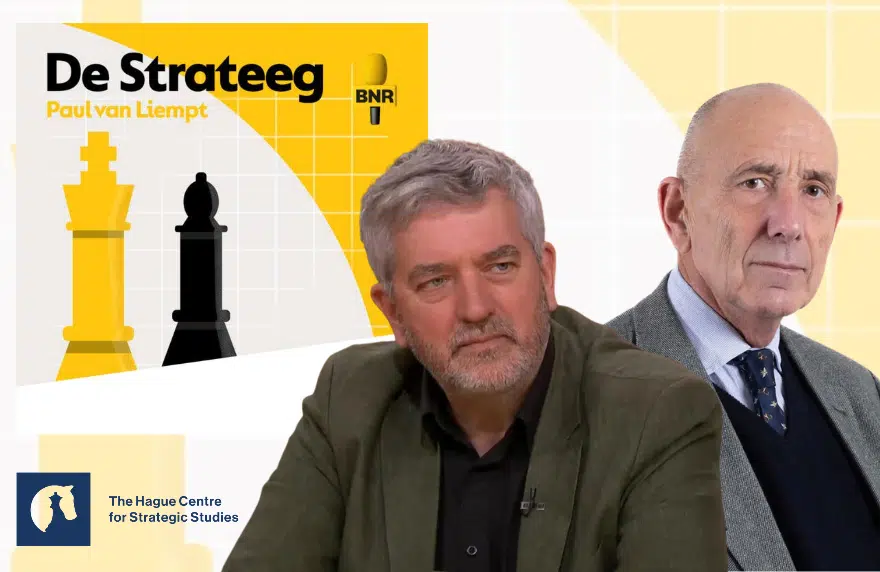
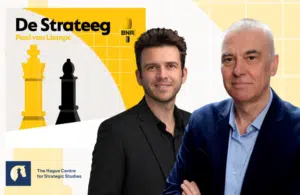
De Strateeg: Hoe kan Europa Rusland geloofwaardig afschrikken?
Hoe kunnen we voorkomen dat Rusland een NAVO-land aanvalt, als Trump op hetzelfde moment deals sluit met Poetin en Zelensky voor de bus gooit? Wat moet Europa doen om Moskou af te schrikken zonder de steun van 'bondgenoot' Amerika? Paul van Liempt bespreekt het in de nieuwste aflevering van BNR podcast De Strateeg met HCSS defensie specialist Peter Wijninga en oud-diplomaat Ed Kronenburg, voormalig kabinetschef bij de NAVO onder secretaris-generaal Jaap de Hoop Scheffer.
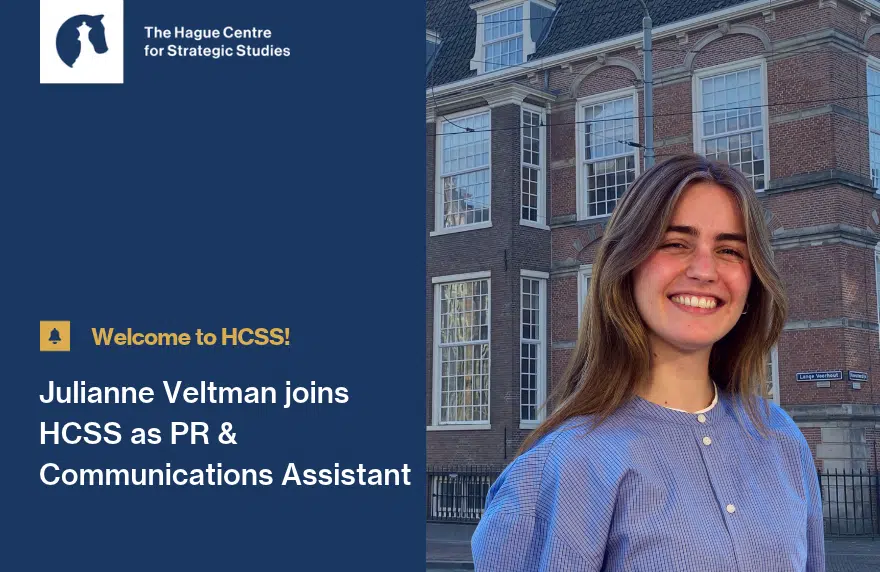
Julianne Veltman joins HCSS as new PR & Communications Assistant
HCSS is pleased to announce that Julianne Veltman has joined our team as a PR & Communications Assistant. On joining HCSS, she stated: "I like that I get to learn from HCSS's experts and deepen my understanding of global issues, while at the same time, putting my knowledge and skills into practice in an international environment. Through creative storytelling, I bring HCSS even closer to its audiences."