Research
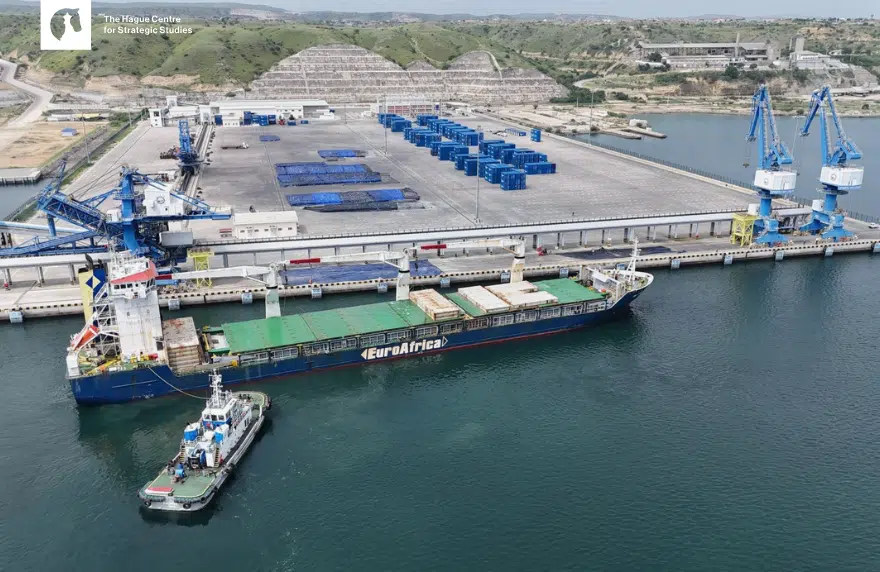
The EU has signed strategic partnerships with resource-rich countries to diversify its access to critical raw materials (CRM), but many have yet to move from political agreements to financially viable projects. A new HCSS policy brief argues that development cooperation can help close this gap, if it is used strategically and remains firmly anchored in partner countries’ development priorities.
“Development cooperation should be treated as an enabling layer within the EU’s CRM strategy,” says lead author Irina Patrahau. Rather than replacing private capital, development cooperation can finance the public goods and institutional conditions that make responsible investment possible, from geological knowledge and skills to infrastructure, governance and environmental safeguards.
The brief identifies three complementary pathways of how development funding can support CRM supply chains: direct support for CRM operations, supply chain enabling support, and broader systemic support.
Current EU efforts are relatively strong on financing infrastructure, but often focus on transporting minerals rather than developing local processing, technology transfer and other productive capabilities.
The authors recommend that the EU and its Member States:
- Safeguard adequate development funding in the 2028–2034 Multiannual Financial Framework (MFF), including resources for resilient and responsible CRM supply chains;
- Integrate development cooperation objectives and CRM goals into MFF programming and implementation, in coordination with partner governments, businesses, communities and regional organisations;
- Better integrate and blend EU funding instruments, particularly CRM-related financing under the European Competitiveness Fund and development finance under Global Europe.
“Better alignment, pooled financing, and credible benefit-sharing are therefore essential both to sustainable development and to European supply chain resilience,” adds co-author Fiona De Cuyper.
The policy brief argues that the EU’s objective should not simply be to secure mineral supplies, but to offer producer countries a credible long-term partnership that supports local processing, jobs, skills, infrastructure and environmental safeguards.
Authors: Irina Patrahau, Fiona De Cuyper and Isis Ketelaar
Contributors: Laura Birkman and Emma Bokel
Cover image: Lobito Atlantic Railway
The research was commissioned by Future Advocacy and executed by The Hague Centre for Strategic Studies (HCSS). Responsibility for the contents and for the opinions expressed, rests solely with the authors.




Related Content