From 21 to 23 May, the GLOBSEC Forum brought together policymakers, analysts, business leaders, and civil society representatives in Prague to address some of the most pressing challenges facing Europe and the wider international order. Against a backdrop of continued geopolitical instability, economic fragmentation, technological disruption, and growing competition between major powers, the 21st edition of the Forum focused on identifying practical responses to the systemic transformations reshaping global affairs.
HCSS was represented by strategic analysts Irina Patrahau and Benedetta Girardi, who contributed to discussions on European geoeconomic statecraft, energy security and strategic resilience, as well as participating in the prestigious Young Leaders Forum and engaging wider audiences through GLOBSEC’s flagship podcast, GLOBcast.
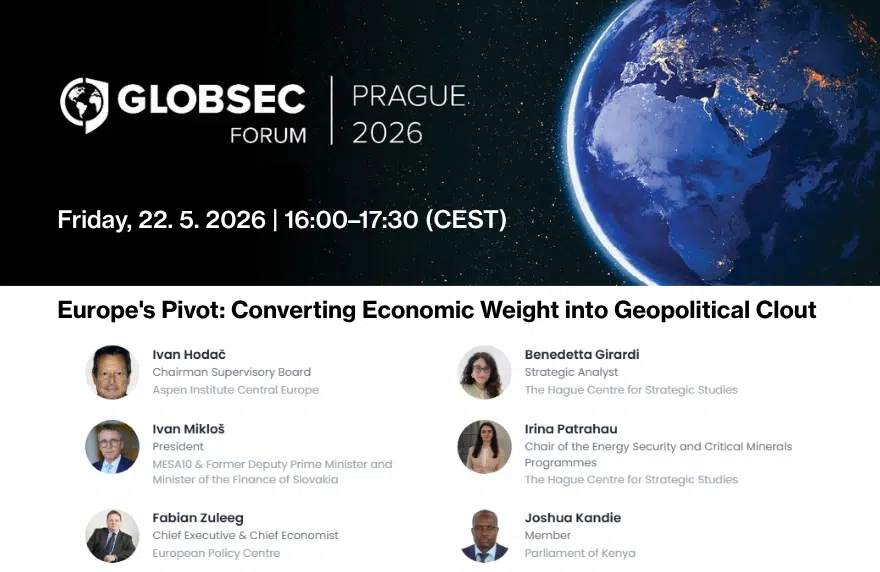
Side session | Europe’s Pivot: Converting Economic Weight into Geopolitical Clout
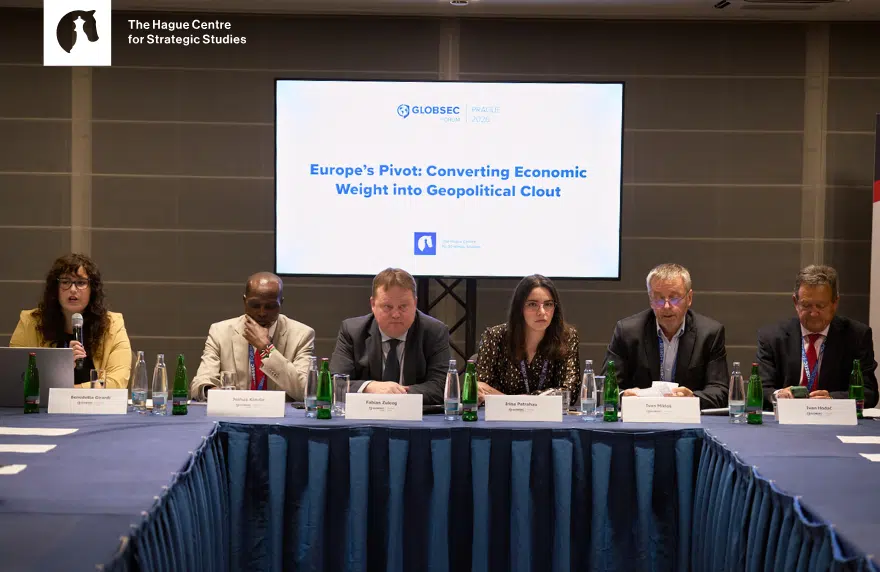
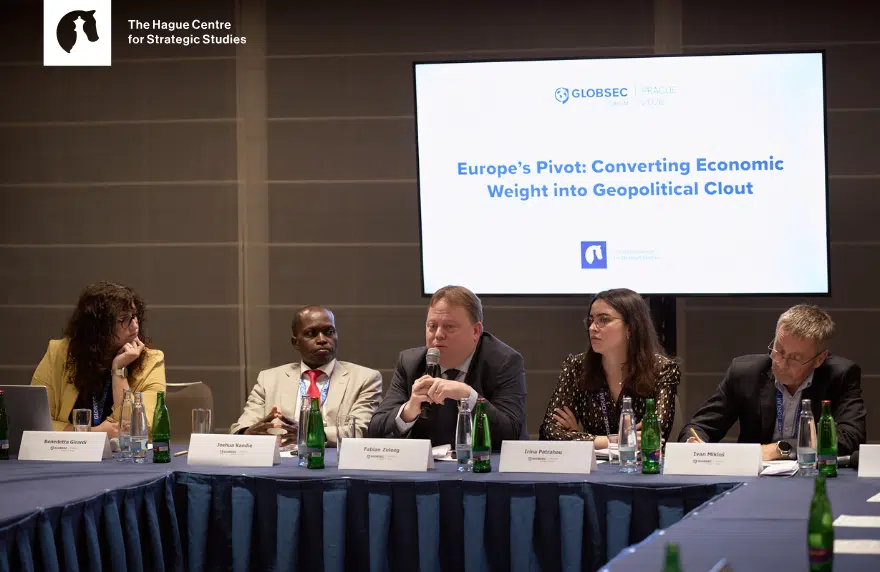
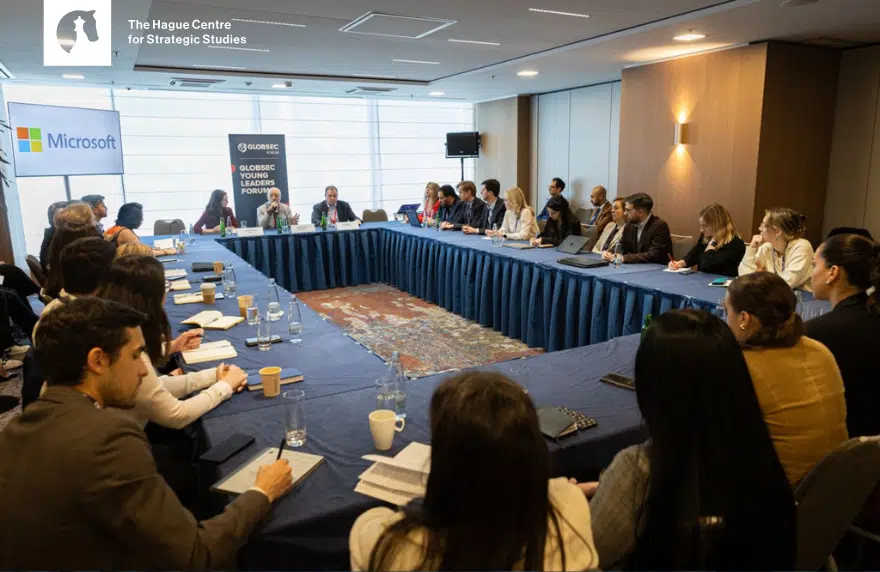
On 22 May, Irina Patrahau and Benedetta Girardi co-hosted the side session “Europe’s Pivot: Converting Economic Weight into Geopolitical Clout”.
The discussion explored how Europe can translate its considerable economic strength into greater geopolitical influence in an international environment increasingly characterised by systemic competition, economic coercion, strategic dependencies, and disruptions to critical supply chains. While recent initiatives such as the EU’s Anti-Coercion Instrument and successive sanctions packages have demonstrated a growing willingness to use economic tools for strategic purposes, participants examined why Europe continues to face difficulties in deploying its geoeconomic instruments consistently and effectively.
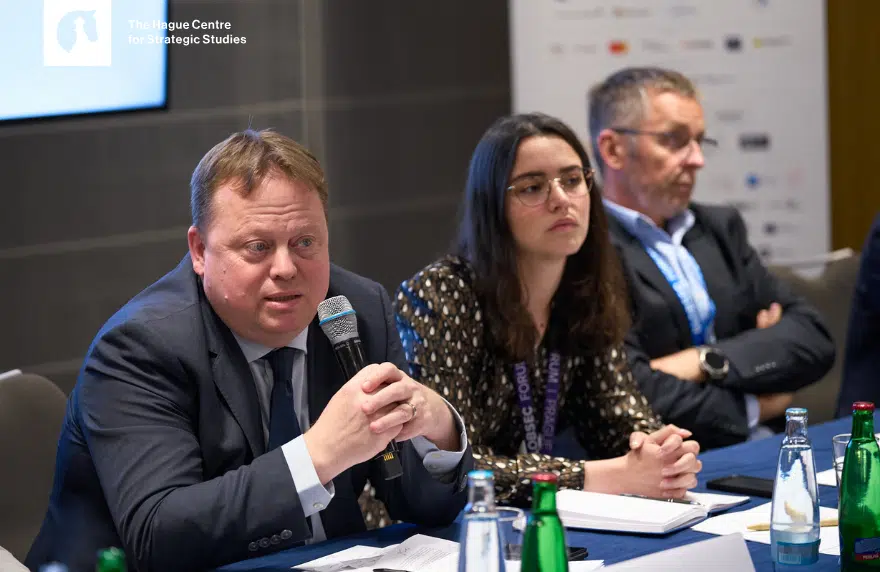
The session brought together a distinguished panel of speakers, including Ivan Hodač, Chairman of the Supervisory Board of Aspen Institute Central Europe; Ivan Mikloš, President of MESA10 and former Deputy Prime Minister and Minister of Finance of Slovakia; Fabian Zuleeg, Chief Executive and Chief Economist of the European Policy Centre; and Joshua Kandie, Member of Parliament of Kenya.
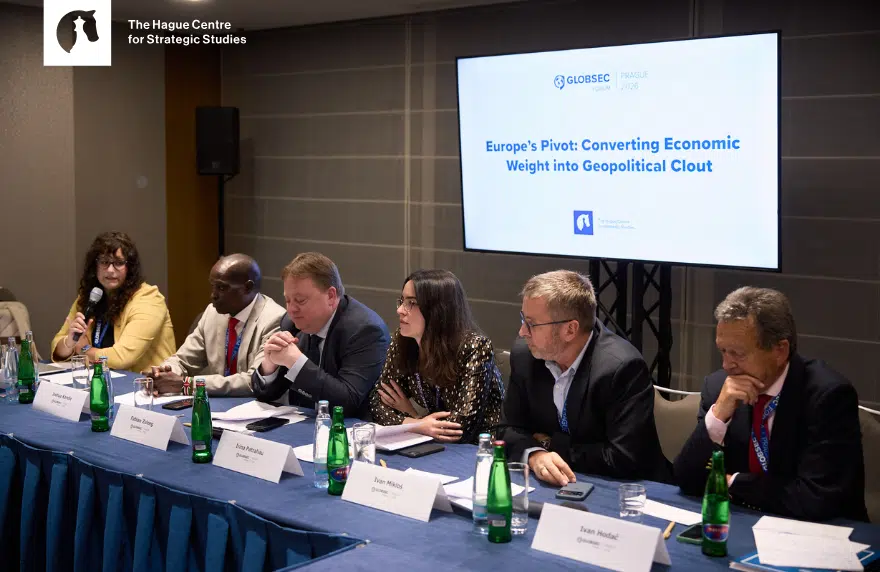
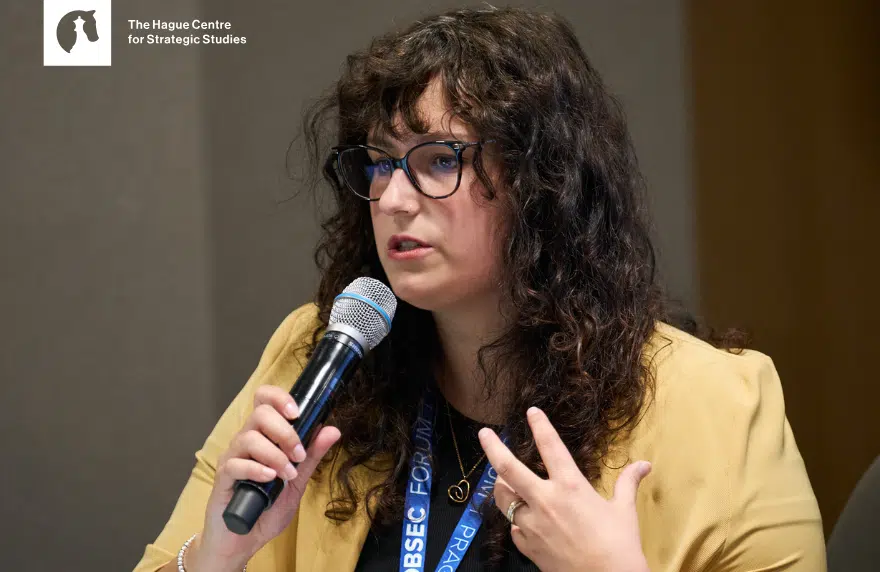
The discussion centred on several key questions: how the European Union can balance economic security with market openness, how it can strengthen its resilience against coercion while maintaining strategic partnerships, and which priorities should guide European geoeconomic policy over the coming years.
Reflecting on the debate, Benedetta Girardi highlighted three key lessons. The first was the importance of strengthening European unity and translating the attractiveness of the European project into collective strategic action.
“Europe’s influence will depend on its ability to move from shared ambitions to coordinated action. Strategic investments, common priorities, and stronger collective commitments are essential if the EU wants to become a more credible geopolitical actor,” said Benedetta Girardi.
A second takeaway focused on competitiveness and resilience. Participants emphasised that Europe’s geopolitical position rests on sustained investment in sectors that underpin economic security, including critical raw materials, energy security, advanced technologies, defence-industrial capacity, and resilient supply chains.
“Strategic competitiveness is about far more than economic growth. It requires long-term investment in the capabilities that strengthen Europe’s resilience, security, and ability to act independently in an increasingly contested world,” Girardi noted.
Finally, the session underscored the importance of credibility in maintaining partnerships and advancing European interests. “In a world shaped by economic coercion and strategic rivalry, credibility is built through delivery. Europe’s partners need to see consistent implementation and tangible results, not only declarations of intent,” Girardi concluded.
The broader theme running through the discussion was the need for Europe to become more effective in using the full range of economic, diplomatic, legal, and industrial tools at its disposal to protect its interests and shape its strategic environment.
GLOBcast | Navigating Disruption: Europe’s Energy and Security Crossroads
During the Forum, Patrahau also joined Roger Hilton for an episode of GLOBcast, GLOBSEC’s flagship podcast series covering developments in security, defence, democracy, resilience, technology, and international affairs.
In the episode, Navigating Disruption: Europe’s Energy and Security Crossroads, Patrahau explored the growing interconnections between energy, critical minerals, technological competition, economic security, and geopolitics.
The conversation examined Europe’s continuing vulnerabilities in energy and critical minerals supply chains, the risk of creating new dependencies through the green transition, and the strategic implications of growing competition with China. Patrahau also discussed how Europe can strengthen its resilience while maintaining competitiveness and pursuing its climate objectives.
Drawing on discussions from the Young Leaders Forum, she reflected on the increasingly blurred boundaries between economic policy, technological development, and security policy. As geopolitical competition intensifies and strategic dependencies become more visible, the conversation highlighted the need for Europe to adopt a more integrated approach to resilience and strategic autonomy.
Watch the discussion here:
Shaping Tomorrow’s Debate: The GLOBSEC Young Leaders Forum
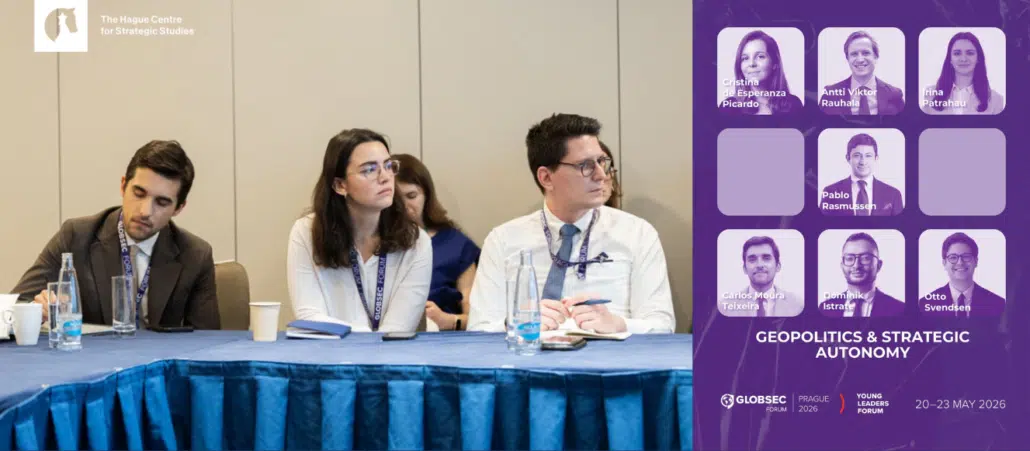
Irina Patrahau, Chair of the Energy Security and Critical Minerals programmes at HCSS, was selected as one of the GLOBSEC Young Leaders 2026, joining a highly competitive cohort of emerging experts and professionals from around the world.
The GLOBSEC Young Leaders Forum is widely recognised as one of the leading international platforms for connecting future leaders from government, business, academia, and civil society. Since its launch, the programme has brought together hundreds of participants from nearly sixty countries, creating a network dedicated to addressing global challenges through dialogue, innovation, and collaboration.
This year, more than 1,200 applicants competed for a place in the programme. Ultimately, 35 young professionals were selected to participate in four days of intensive discussions and exchanges alongside senior decision-makers attending the Forum.
Across sessions covering NATO, Ukraine, economic security, technological competition, and artificial intelligence, a recurring theme emerged: resilience can no longer be understood solely through a military lens. It increasingly encompasses societal, technological, economic, and strategic dimensions that are deeply interconnected.
Reflecting on her experience, Patrahau emphasised the urgency of translating Europe’s ambitions into action: “One theme stood out to me across our side session, the high-level panels, and the Young Leaders Forum: finding ways to make the EU a more effective geopolitical actor. We often focus on Europe’s shortcomings – fragmentation, slow decision-making, or the absence of a fully unified geopolitical vision. While those challenges are real, we have reached a stage where we cannot afford to hide behind the big questions without taking smaller and more proactive steps. We all agree that the EU needs to become more effective. The challenge now is finding practical ways to make that happen.”
She noted that this challenge lies at the heart of ongoing work within HCSS’ Energy Security and Critical Minerals programmes, examining how Europe can strengthen its strategic position through greater resilience, diversification, and coordination.
The Challenge Ahead: Matching Ambition with Action
GLOBSEC 2026 demonstrated once again why it remains one of Europe’s leading platforms for strategic dialogue. Bringing together more than 1,800 participants from over 75 countries, the Forum created opportunities not only for high-level debate but also for practical discussions on how governments, businesses, and research institutions can respond to a rapidly changing world.
The discussions throughout GLOBSEC 2026 highlighted the growing links between economic security, energy resilience, technological competition, and geopolitics. Through their participation in panel discussions, the Young Leaders Forum, and the GLOBcast podcast, Irina Patrahau and Benedetta Girardi engaged with these debates and contributed HCSS perspectives on how Europe can strengthen its resilience, credibility, and strategic influence in an increasingly contested international environment.
As Patrahau reflected at the conclusion of the Forum: “The challenges facing Europe are well understood. The real question is whether we can match our ambitions with the speed, execution, and political courage needed to act before crises force our hand. Building resilience today means recognising that security, technology, energy, and economics are no longer separate issues – they are all part of the same strategic conversation.”


Related Content