Morgen is het precies drie jaar sinds Poetin zijn troepen Oekraïne liet binnenvallen. Oekraïners vechten verbeten door, terwijl Rusland bloed en middelen blijft verspillen aan een oorlog die niet loopt zoals gepland.
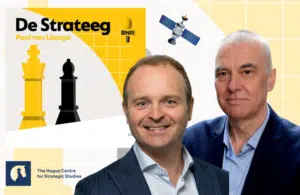
Inmiddels weten we dat Trump Poetin meer en meer omarmt. Wat betekent dit voor een eventuele afloop van de oorlog en voor onze positie? Dat ga je horen in deze aflevering van De Strateeg van:
- Frans Osinga, hoogleraar Oorlogsstudies aan de Universiteit Leiden.
- Tim Sweijs, onderzoeksdirecteur bij het Den Haag Centrum voor Strategische Studies (HCSS)
Bron: BNR Nieuwsradio, De Strateeg, 23 februari 2025
Over deze podcast
De Strateeg is een podcast van BNR in samenwerking met het Den Haag Centrum voor Strategische Studies (HCSS). Abonneer je via bnr.nl/destrateeg om geen enkele aflevering te missen.
Host: Paul van Liempt
Redactie: Michaël Roele

De oorlog in Oekraïne heeft zijn tragische derde verjaardag bereikt. Voor BNR dé gelegenheid om de geopolitieke kopstukken van de zender weer bij elkaar te roepen in een alliantie, onder leiding van Liesbeth Staats. In vier afleveringen praten we je bij over deze oorlog. Met deze laatste aflevering aandacht voor de nieuwe Amerikaanse koers onder president Trump.
De geopolitieke kopstukken van BNR:
- Bernard Hammelburg, buitenlandcommentator en presentator van BNR De Wereld
- Rob de Wijk, hoogleraar internationale betrekkingen aan de Universiteit Leiden, oprichter van het Den Haag Centrum voor Strategische Studies en maker van Boekestijn & De Wijk
- Geert Jan Hahn, Europaverslaggever en maker van de podcasts Make Europe Great Again en de BNR Perestrojkast
‘Dictator’ Zelensky
President Trump keert zich steeds verder af van Oekraïne en Zelensky. Hij noemt zijn Oekraïense collega nu zelfs een dictator. Die uitspraak vond plaats na de opname van deze Alliantie en dus zijn Bernard, Geert Jan en Rob nog eens de studio in gedoken. Dat en de eerdere opname onder leiding met Liesbeth Staats hoor je in deze aflevering. Wat betekent het Amerikaanse beleid voor Oekraïne en voor ons?
Bron: BNR Nieuwsradio, 24 februari 2025

De oorlog in Oekraïne heeft zijn tragische derde verjaardag bereikt. Voor BNR dé gelegenheid om de geopolitieke kopstukken van de zender weer bij elkaar te roepen in een alliantie, onder leiding van Liesbeth Staats. In vier afleveringen praten we je bij over deze oorlog. Met in de derde aflevering aandacht voor de positie van Europa.
De geopolitieke kopstukken van BNR:
- Bernard Hammelburg, buitenlandcommentator en presentator van BNR De Wereld
- Rob de Wijk, hoogleraar internationale betrekkingen aan de Universiteit Leiden, oprichter van het Den Haag Centrum voor Strategische Studies en maker van Boekestijn & De Wijk
- Geert Jan Hahn, Europaverslaggever en maker van de podcasts Make Europe Great Again en de BNR Perestrojkast
Europa staat er alleen voor
In deze aflevering bespreken we de positie van Europa. Het waarborgen van de veiligheid in Oekraïne wordt als het aan Amerika ligt primair een taak van Europa. Maar kan Europa dat wel zonder de steun van Amerika? En wat kunnen we doen om samen sterker te staan?
Bron: BNR Nieuwsradio, 21 februari 2025
Vredesmissie Oekraïne? ‘Ik wil niet nóg eens iets als Srebrenica meemaken’
Als de Verenigde Staten hun radicaal-rechtse gedachtegoed naar Europa blijven exporteren, kun je de Europese Unie maar beter optuigen als een militaire alliantie. Dat zegt Rob de Wijk, hoogleraar internationale betrekkingen aan de Universiteit Leiden en oprichter van het Den Haag Centrum voor Strategische Studies, in de speciale BNR-podcast De Alliantie. ‘Zo langzamerhand ben ik tot de conclusie gekomen: laat maar zitten, die NAVO. En dat heeft vooral te maken met de rol van Amerika.’
Het wordt eigenlijk steeds duidelijker dat de NAVO de Amerikanen nauwelijks een moer interesseert. Daarom wordt het tijd om daar als EU lering uit te trekken, zegt De Wijk. ‘Dat betekent dat je in feite moet zeggen dat je de NAVO nog wel laat bestaan, maar dan vooral om gezamenlijke technische standaarden af te spreken, zodat je een beetje kunt samenwerken. Je kunt de EU gewoon optuigen als een militaire alliantie, zelfs volgens verdrag met een ‘Artikel 5-verklaring’, in dit geval Artikel 42.7.’
Zo’n militaire alliantie kan een grote rol gaan spelen in een mogelijke afschrikkingsmacht in Oekraïne. Die coalitie zal grofweg bestaan uit een kern-EU — een soort Weimar-plusconstructie, zoals De Wijk het omschrijft — wellicht aangevuld met een aantal niet-Europese landen die mee willen doen, zoals Australië en Canada. Maar volgens buitenlandcommentator Bernard Hammelburg dreigt dan wel een enorm probleem met de commandostructuur. ‘In Afghanistan bestond ISAF destijds uit 42 landen. Dan wéét je dat het niet werkt.’
Bij een lichte vredesoperatie kan het volgens De Wijk nog wel werken, maar niet als je een grootschalige georkestreerde gevechtsoperatie moet uitvoeren. Dat de VN dat zou moeten doen is lulkoek: de VN kan alleen maar lichte operaties uitvoeren, waarbij wapens vooral worden gebruikt voor zelfverdediging, en misschien hier en daar om vrede af te dwingen. Maar voor een heel grootschalige gevechtsoperatie in een heel groot gebied heb je structuren als die van de NAVO voor nodig – én de Amerikanen.’
Als je kiest voor een dergelijke EU-pluscoalitie is ook Zuid-Korea een interessante optie, zegt Europaverslaggever Geert Jan Hahn. ‘De geschorste president Yoon Suk-yeol, die onlangs probeerde het parlement buitenspel te zetten, was opmerkelijk genoeg een enorm pleitbezorger voor steun aan Oekraïne. En dat kan een interessante optie zijn voor dit verband. ‘Yoon dacht zelfs na over het leveren van dodelijke wapens aan Oekraïne. Zuid-Korea is echt een militaire macht in de wereld.’
Belangrijke rol bij graantransporten
En ook Turkije moet je volgens Hammelburg niet zomaar terzijde schuiven. Het op één na grootste NAVO-lid heeft zich de afgelopen jaren al een paar keer met de oorlog bemoeid, en lang niet alleen negatief. ‘Ze hebben een belangrijke rol gespeeld in de graantransporten.’ Bovendien, zo vult Hahn aan, is Turkije na Rusland en Oekraïne het belangrijkste land aan de Zwarte Zee. ‘En daar speelt het zich toch af. Het belangrijke toezicht op de Bosporus is zelfs in 1936 vastgelegd in het Verdrag van Montreux.’
Voor een aanspreekpunt met de Verenigde Staten kom je in zo’n constructie in eerste instantie uit bij de NAVO-opperbevelhebber, de SACEUR. Dat is per definitie een Amerikaan. En als Trump daar vriendelijk voor bedankt, kan het ook de (plaatsvervangende) D-Saceur worden, zegt De Wijk — dat is standaard een Brit. ‘Dus dan maak je wel gebruik van de NAVO-structuur, onder Britse leiding. Die structuren zijn overigens al zo’n dertig jaar geleden vastgelegd. Maar de Europese Unie moet daar wel een belangrijke rol in spelen.’
Hahn wijst op een questionnaire, in handen van verschillende gerenommeerde media, die de Amerikanen aan Europese hoofdsteden zou hebben gestuurd. Daarin zou een aantal vragen worden gesteld over de bereidheid om bij te dragen aan defensie en steun aan Oekraïne, en de verwachtingen rond de Amerikaanse inzet. Volgens De Wijk is de vermeende eerste vraag, wat een afdoende afschrikking tegen Russische agressie is, in ieder geval een relevante. ‘Want dit is geen vredesoperatie, dit is een afschrikkingsmacht.’
Vragen in de questionnaire
En dat betekent dat Europa troepen moet gaan leveren, zegt De Wijk. En ook daarover zou een vraag worden gesteld in de questionnaire. ‘Als ik het zelf bereken – voor wat het waard is – kom ik voor een waarnemingsmissie uit op 50.000 man. Daar kun je helemaal niet mee optreden. Als je een afschrikkingsmacht wilt hebben, dan heb je misschien wel 200.000 man nodig, over een afstand van twaalfhonderd kilometer. Dat betekent dat de Oekraïners zelf de rest van de grens moeten doen, inclusief de grens met Belarus.’
Het komt er volgens Hahn op neer dat Europa zo snel mogelijk moet komen met iets wat – binnen de eigen mogelijkheden – aansluit bij de Amerikaanse en Oekraïense wensen én een voldoende afschrikwekkende werking heeft richting Rusland. ‘Dat ís nogal een pakket, maar op de een of andere manier moet dat in een mal worden gegoten.’ Dat biedt volgens De Wijk mogelijkheden, kijkend naar de questionnaire. ‘De Amerikanen zetten de deur open naar samenwerking en de levering van capaciteit om dat mogelijk te maken.’
Probleem blijft volgens Hammelburg dat de Amerikanen over het algemeen ook weinig ophebben met Europa: ze vinden het complex, snappen het niet en hebben vooral geen idee met wie ze binnen Europa moeten praten. En dat is precies de reden waarom de questionnaire nu is opgesteld. ‘Ze gooien het in een format, met vragen die concreet beantwoord moeten worden. En als ze die antwoorden hebben, weten ze in ieder geval wat Europa van ze wil, én wat het van ze nodig heeft.’
Uiteindelijk moet dan blijken hoe Europa zijn rol kan spelen in het geheel van onderhandelingen en afschrikkingsmachten. Op zichzelf ‘niet zo’n slechte oplossing’, vindt Hammelburg. Toch houdt Rob de Wijk vooralsnog liever zijn kaarten op de borst. ‘Ik zou er nu geen antwoord op geven, de questionnaire in het geheim beantwoorden en er binnen Europa overleg over voeren. Laat Trump eerst maar een keer duidelijk maken wat voor een missie er moet komen.’
Srebrenica nooit meer meemaken
Eerst moet maar blijken hoe een staakt-het-vuren eruitziet, zegt De Wijk. Dat hangt vooral af van de uitkomst van de gesprekken tussen Rusland en de VS – en hun respectievelijke presidenten Poetin en Trump. ‘Als je als Europa niet mee mag praten, moet je ook geen antwoord geven op de questionnaire. Als je niet precies weet wat voor missie er komt, moet je geen aanbod doen. Ik heb lang geleden aan tafel gezeten toen de discussies plaatsvonden over Srebrenica, en dat wil ik niet nog eens meemaken.’
De Wijk ziet angstaanjagende parallellen met de Bosnische moslimenclave, waar Nederlandse troepen in 1995 ook de garantie hadden gekregen dat de Fransen luchtsteun zouden bieden als dat nodig was. Die is er nooit gekomen. ‘Ook nu zeggen de Britse en Nederlandse regeringen, bij monde van Keir Starmer en Dick Schoof, dat ze toch wel overwegen om mee te doen. Maar dat hebben we de afgelopen decennia zó vaak fout zien gaan. Wij zeggen eerst ja, en vervolgens gaan we kijken of het wel kan. En dat kan écht niet.’
Bron: BNR Nieuwsradio, De Alliantie, 22 februari 2025

De oorlog in Oekraïne heeft zijn tragische derde verjaardag bereikt. Voor BNR dé gelegenheid om de geopolitieke kopstukken van de zender weer bij elkaar te roepen in een alliantie, onder leiding van Liesbeth Staats. In vier afleveringen praten we je bij over deze oorlog. Met in de tweede aflevering aandacht voor Rusland. Wat wil Poetin?
De geopolitieke kopstukken van BNR:
- Bernard Hammelburg, buitenlandcommentator en presentator van BNR De Wereld
- Rob de Wijk, hoogleraar internationale betrekkingen aan de Universiteit Leiden, oprichter van het Den Haag Centrum voor Strategische Studies en maker van Boekestijn & De Wijk
- Geert Jan Hahn, Europaverslaggever en maker van de podcasts Make Europe Great Again en de BNR Perestrojkast
Wat wil Poetin?
Inmiddels hebben Amerika en Rusland met elkaar gesproken in Saoedi-Arabië. Trump is er alles aan gelegen om de oorlog te beëindigen. Maar wil Poetin dat nu ook al? En hoe gaat het met Rusland? Die vragen worden in deze aflevering beantwoord.
Bron: BNR Nieuwsradio, 20 februari 2025
‘Russen gaan sloop van hun economie in tweede helft van dit jaar echt voelen’
De sloop van de Russische economie zal in de tweede helft van dit jaar écht merkbaar worden, zegt Rob de Wijk van het Den Haag Centrum voor Strategische Studies (HCSS) in de speciale BNR-podcast De Alliantie. De enorme reserves van het land dreigen op te raken en er moet enorm veel geleend worden om de oorlogseconomie op toeren te houden. ‘Dat wordt buiten de boeken gehouden, maar tegelijkertijd sloop je wel de civiele economie, al heeft dat even tijd nodig.’
Hoewel de Russische economie op papier goed draait, is juist het feit dat het grotendeels een oorlogseconomie betreft een veeg teken, zegt De Wijk. Bedrijven kunnen eigenlijk niet meer aan geld komen en dat zal in de tweede helft van het jaar heel hard doordringen. ‘Dat heeft allemaal even tijd nodig, maar dan raak je wel door je reserves heen. De civiele economie zal gaan stagneren, maar dat gebeurt allemaal niet vandaag op morgen, dat duurt even.’
Die reserves waren altijd enorm, vult buitenlandcommentator Bernard Hammelburg aan: onder het communistische systeem van de Sovjet-Unie waren leningen en schulden niet toegestaan, waardoor een gigantisch overschot op de balans ontstond. ‘Maar dat geld staat nu grotendeels bevroren bij buitenlandse banken. Ze kunnen daar dus niet aankomen, en vroeg of laat loop je daarmee vast.’
Oorlogseconomie
De sancties tegen Rusland waren primair bedoeld om een einde te maken aan de oorlog met Oekraïne, maar dat is vooralsnog grotendeels mislukt: de Russen weten ze veelal te omzeilen en de oorlogseconomie draait op papier nog goed, zegt De Wijk. ‘De sancties creëren een groot probleem met betrekking tot de oorlogseconomie, maar als je niet in de oorlogsindustrie werkt, begin je daar straks de problemen van te voelen.’
Wie niet actief is in de oorlogsindustrie zal te kampen krijgen met de forse inflatie, die inmiddels is opgelopen tot boven de 10 procent, zegt De Wijk. Toch is het grootste probleem het rentepercentage van meer dan 20 procent. ‘Daardoor kunnen de civiele bedrijven niet meer naar behoren investeren, dus dat is wel een probleem, op het ogenblik.’
Het is aan een huzarenstukje van centralebankdirecteur Elvira Nabioellina te danken dat de Russische economie überhaupt nog overeind is gebleven, zegt Europaverslaggever Geert Jan Hahn. Zo’n 20 procent van de Russen zal financieel sowieso wel beter uit deze oorlog komen, simpelweg doordat ze betrokken zijn bij het militair-industrieel complex. ‘Als buitenlandse bedrijven afhaken, springen andere bedrijven in dat gat – er zijn immers toch spullen nodig. De afgelopen drie jaar zijn veel fabrieken omgeturnd tot onderdeel van de defensie-industrie.’
Tweestatenoplossing
Het liefst ziet de Russische president Vladimir Poetin het grondgebied ten tijde van de Sovjet-Unie, die ruim dertig jaar geleden in vijftien landen werd opgesplitst, in ere hersteld. Maar als hij inderdaad de realist is die Bernard Hammelburg in hem vermoedt, zal hij zich richten op een ‘tweestatenoplossing’, waarbij een stuk van Oekraïne wordt ‘afgehakt’. ‘De voorwaarde die hij heeft geformuleerd is dat de delen die hij annexeert, de oblasten Donetsk, Loegansk, Cherson en Zaporizja en de Krim, door de rest van de wereld worden erkend.’
Rob de Wijk acht het niet waarschijnlijk dat Poetin die vier oblasten helemaal onder controle krijgt. Waarschijnlijker is volgens hem een staakt-het-vuren zonder vredesakkoord. ‘Ik denk dat dat eigenlijk is wat het is, en volgens mij heb ik vlak na het uitbreken van de oorlog al gezegd dat dit de uitkomst zou zijn. Een minister van Buitenlandse Zaken of Defensie, of de president van de VS, mag dat niet zeggen, omdat dat de uitkomst van de onderhandelingen moet zijn. Maar wij kunnen daar rustig over filosoferen.’
Dan heeft hij bereikt wat hij wil, en je zou kunnen zeggen dat wat Trump nu voorstelt daar heel dicht bij in de buurt komt. In feite was dat al de inzet van de onderhandelingen vlak na de start van de oorlog, bijna drie jaar geleden in Belarus. Hoe groot het reservoir ook is waaruit het Russische leger kan putten, ook Poetin houdt de huidige strijd niet eindeloos vol, zegt De Wijk. Daarom is ook hij erbij gebaat dat de gevechten uiteindelijk stoppen. ‘Er zit wel een houdbaarheidsdatum aan dit soort strategieën, al heeft hij wel even de tijd.’
Mentaliteitsverschil
Daarbij is een mentaliteitsverschil tussen Rusland en het Westen volgens Hammelburg cruciaal. ‘Wij zijn altijd ongeduldig, dat is een beetje de natuur van de westerling. Wij wonen in democratieën en die denken cyclisch: een regering moet in principe in vier jaar van alles bereiken, in Rusland is dat helemaal niet aan de orde. De gemiddelde Rus wil ook van die oorlog af, maar tijd is daar een heel andere factor: als het nog één of twee jaar duurt is dat ook al behoorlijk snel. En wij willen het liefst dat het volgende week klaar is.’

De oorlog in Oekraïne heeft zijn tragische derde verjaardag bereikt. Voor BNR dé gelegenheid om de geopolitieke kopstukken van de zender weer bij elkaar te roepen in een alliantie, onder leiding van Liesbeth Staats. In vier afleveringen praten we je bij over deze oorlog. Met in de eerste aflevering aandacht voor het Oekraïense perspectief.
De geopolitieke kopstukken van BNR:
- Bernard Hammelburg, buitenlandcommentator en presentator van BNR De Wereld
- Rob de Wijk, hoogleraar internationale betrekkingen aan de Universiteit Leiden, oprichter van het Den Haag Centrum voor Strategische Studies en maker van Boekestijn & De Wijk
- Geert Jan Hahn, Europaverslaggever en maker van de podcasts Make Europe Great Again en de BNR Perestrojkast
Wat wil Oekraïne?
In deze aflevering leggen we de focus op Oekraïne. Hoe staat dat land ervoor aan het front? Wat kan het met de Westerse wapens? Of is Oekraïne in de steek gelaten door de beslissing van Trump om in Saoedi-Arabië te gaan praten met Rusland? Je hoort het in deze aflevering.
Bron: BNR Nieuwsradio, 19 februari 2025
‘Áls er een deal komt, gaat Zelensky die waarschijnlijk frustreren’
De Oekraïense president Volodymyr Zelensky is grotendeels buitenspel gezet bij de onderhandelingen om tot een staakt-het-vuren in zijn land te komen. Zijn pogingen steun te verwerven uit de Verenigde Staten bleken tevergeefs, zegt Rob de Wijk van het Den Haag Centrum voor Strategische Studies in de speciale BNR-podcast De Alliantie. ‘Je zou veronderstellen dat je eerst de route uitzet met je bondgenoten inclusief Oekraïne en dán gaat onderhandelen. Maar zo gebeurt het niet.’
Het komt er kortweg op neer dat de Amerikanen de Europeanen cancelen, zegt buitenlandcommentator Bernard Hammelburg. ‘En eigenlijk geldt dat ook voor Zelensky.’ En dan is het volgens De Wijk logisch dat Trump anderhalf uur met Poetin belt en dat Zelensky ‘genoegen moet nemen’ met J.D. Vance. ‘Al is het natuurlijk wel veelzeggend: je zou veronderstellen dat je eerst de route uitzet met je bondgenoten, inclusief Oekraïne, en dán gaat onderhandelen. Maar zo gebeurt het dus niet.’
Eigenlijk is de Oekraïense mindset al sinds het begin van de oorlog gericht op de onderhandelingsfase, zegt Europaverslaggever Geert Jan Hahn. Al in het prille begin vonden er onderhandelingen over een staakt-het-vuren plaats in Istanbul, stipt De Wijk aan. ‘Die contouren werden toen al duidelijk en die liggen nu weer op tafel. Onder de bevolking wordt openlijk gesproken en gespeculeerd over de uiteindelijk te behouden delen van het land. Zo leven ze nou eenmaal. Want Rusland is altijd de geografische buurman geweest, en zal dat ook blijven.’
Europa ligt intussen in een soort vechtscheiding met de VS, met als uiteindelijk resultaat waarschijnlijk zelfs een scheiding van tafel en bed. Al hoor je in de wandelgangen ook wel dat de Amerikanen het vooral interessant vinden om flink tegen de Europese mierenhoop aan te trappen, zegt Hahn. ‘Ze dagen ons uit en kijken hoe we reageren. Alleen merkte je in Brussel dat veel diplomaten toch wel overvallen zijn door de intensiteit van het geschop tegen die mierenhoop.’
Doodmisselijk
We lijken in Europa overdonderd door de uitgebreide berichtgeving over alles wat de Amerikanen de afgelopen tijd hebben gezegd. Terwijl het volgens Rob de Wijk eigenlijk zó voorspelbaar was. ‘Ik word zo langzamerhand doodmisselijk van met name het gedrag van Europa. Ik druk me misschien wat stevig uit, maar ik voel er inmiddels ook wel het een en ander bij: mensen als ik hebben jaar in jaar uit gewaarschuwd dat dit zou kunnen gebeuren.’
De toon is wellicht nog wat harder dan was voorzien, het resultaat is exact wat er al voorspeld was, constateert De Wijk. ‘Dus waarom hebben we sinds de annexatie van de Krim in 2014 geen flikker gedaan? Dát is de kern van de zaak.’ Het enige wat de afgelopen tien jaar is bereikt is een soort postmodern Europa, waarin zelfverwerkelijking bovenaan staat, maar veiligheid en welvaart als water uit de kraan zouden komen, zegt hij. ‘En nu zitten we tien jaar na dato te jeremiëren. Ik vind het buitengewoon ernstig wat hier gebeurt.’
Zelensky heeft eigenlijk niets meer van Trump te verwachten in zijn huidige positie, zegt Bernard Hammelburg. ‘Toen vorige week bleek dat de Amerikanen vonden dat Zelensky in feite helemaal niets te zeggen heeft over de oplossing van het conflict, was het uitgerekend Poetin die zei dat je dat niet kunt maken. Toen is Trump ook bijgedraaid. Maar in hun harten denken de Amerikanen: we lossen dit op op een manier die ons geopolitiek het best uitkomt. En dat is het, uiteindelijk is Zelensky een voetnoot.’
Kritische grondstoffen als troef
Een belangrijke Oekraïense troef zijn de kritische grondstoffen die het land bezit, zegt De Wijk. ‘Als je kijkt wat er in de grond zit en wat de VS nodig heeft om onafhankelijk te worden van China, is Zelensky de enige in Europa die nog kaarten achter de hand heeft. Een derde van die grondstoffen ligt weliswaar in bezet gebied, twee derde bevindt zich daarbuiten. Anders zou je er ook niet over kunnen onderhandelen met de Amerikanen.’
Als tweede pressiemiddel heeft Zelensky een strategisch partnerschap met Europa uit 2021 over die grondstoffen achter de hand. Het biedt hem een vluchtroute uit een Amerikaanse wurggreep. Het lijkt erop dat Zelensky het hele onderhandelingsspel en de omgang met de VS beter beheerst dan Europa. ‘Maar mág het ook een keer, na drie jaar oorlog, ook al komt hij uit het theater? Europa spreekt de taal van de macht niet, wij zitten alleen maar te jeremiëren.’
De gesprekken die inmiddels zijn gestart in Saoedi-Arabië zullen niet in één ronde zijn afgerond, waarschuwde de Amerikaanse minister van Buitenlandse Zaken Marco Rubio. Daar heeft hij ongetwijfeld gelijk in, zegt Hammelburg, maar heel lang zal het ook niet duren. ‘Ik denk dat dit binnen twee maanden kan zijn afgerond.’ Volgens Hahn wordt breed gespeculeerd dat een en ander voor Pasen is afgekaart. Hammelburg sluit dat ook niet uit. ‘En op het moment dat de top komt, hoeven Poetin en Trump alleen nog de handtekeningen te zetten.’
Rotzooi trappen
Dat is volgens De Wijk ook het moment dat Zelensky ten tonele verschijnt. En dan begint alles mogelijk weer van voren af aan. ‘Die gaat het waarschijnlijk frustreren, hij kan doorgaan met rotzooi trappen. Ja, het is echt heel vervelend, en als hij niet stopt, hebben de Russen echt een probleem.’ Daar komt volgens Hahn bij dat de Russische positie momenteel allerminst florissant is. ‘Dus ook daarom is Zelensky erbij gebaat om dit nog wat langer door te laten gaan.’
Ook dit heeft Trump bij wijze van spreken al in de vorige eeuw voorspeld, dus vanaf het moment dat hij aan de macht kwam, zocht hij toenadering tot Rusland. Zo denken de Amerikanen nou eenmaal: al in Vietnam onderhandelden ze met hun vijand en niet met hun bondgenoten in Zuid-Vietnam, en in Afghanistan onderhandelden ze met de Taliban. ‘Dat is de Amerikaanse stijl, dus het mag ons helemaal niet verbazen dat Trump dat zo doet. En hiermee haalt Trump Poetin uit zijn isolement. Dat vind ik ook heel belangrijk.’
Bron: BNR Nieuwsradio, De Alliantie, 19 februari 2025

In this new HCSS guest paper, Kenneth Payne, Professor of Strategy at King’s College London, delves into why Western attempts to deter Russia’s invasion of Ukraine fell short, and offers insights into improving deterrence strategies. Payne highlights how regret and shifting preferences influenced the West’s actions, arguing that strategists often fail to anticipate how their priorities and attitudes will change over time.
Payne suggests that Western leaders sincerely sought to deter Russia but underestimated Ukraine’s importance before the invasion. This reflects a broader human tendency to imagine our future selves imperfectly, leading to actions misaligned with later reflections and regret.
The paper emphasises the need for a more dynamic approach to deterrence—one that incorporates self-awareness and creativity. While strategic theorists focus on understanding adversaries, Payne advocates for a “longitudinal” approach that examines how policymakers’ goals and risk appetites evolve.
To improve deterrence, Payne recommends practical measures, such as revisiting baseline judgments, questioning current preferences, and challenging assumptions. While biases may never be fully overcome, these strategies can foster greater imagination and adaptability in addressing future crises.
This paper, edited by HCSS director of research Tim Sweijs, provides valuable reflections for policymakers and strategists seeking to navigate the complexities of modern deterrence. Stay tuned for more in an extended upcoming HCSS report!
This guest paper is part of the HCSS programme on Strategic Stability: Deterrence and Arm Control.

As part of our Europe in the Indo-Pacific Hub, HCSS regularly brings together renowned researchers, experts, and policymakers from Europe, Asia, and the US in workshops, as well as contributors to publications.
For this new paper series, four guest authors have looked at the lessons learned from the Russian war in Ukraine, that are applicable to Taiwan.
The series is a follow-up of a thought-provoking symposium on the military lessons learned from the ongoing war in Ukraine and their relevance to potential conflict scenarios, particularly regarding Taiwan’s delicate position, hosted by HCSS on October 17. This event brought together policymakers, academics, and defence experts to explore key insights on warfare, strategy, and international security dynamics.

Paper 1 | Lessons Learned from the War in Ukraine applicable to Taiwan: The Land Domain
The war in Ukraine illustrates the use of various old and new techniques in warfighting, employing both Western cutting-edge and Soviet-era equipment. Different innovations and adaptations have been witnessed across domains. Although each war is unique, we can distil lessons about the ongoing trends in warfighting and the employment of new and old equipment.
This guest paper by Dr Viktoriya Fedorchak (Associate Senior Lecturer in War Studies, Department of War Studies, Swedish Defence University) explores the lessons that can be learned from the land domain, focusing on the relevance for the potential Taiwan–China conflict.
Paper 2 | Lessons for Taiwan from the Russo-Ukrainian War
Taiwan has faced threats from China for decades, but the risk of invasion has grown significantly since Xi Jinping’s rise to power. Russia’s 2022 invasion of Ukraine has reshaped global geopolitics, offering valuable lessons for Taiwan’s national security.
These lessons, however, must be adapted to Taiwan’s unique conditions, writes Dr. Jyh-Shyang Sheu (Institute for National Defence and Security Research) in this HCSS paper.


Paper 3 | The Maritime War in Ukraine: The Limits of Russian Sea Control?
At the onset of Russia’s full-scale invasion of Ukraine in February 2022, the Black Sea and the Sea of Azov were under firm Russian control. This narrative, however, quickly shifted, raising critical questions:
How did Russia lose its maritime edge against a country with virtually no navy?
How did Ukraine achieve such significant naval successes?
This paper by Prof. Alessio Patalano (Centre for Grand Strategy, King’s College London) explores these questions and reveals how Ukraine turned the tide in the naval dimension of the conflict.
Paper 4: Lessons Learned from the War in Ukraine applicable to Taiwan: Airpower
The war in Ukraine has underlined the importance of airpower in a contemporary conflict like never before. What lessons from that conflict can be learned and applied to a possible future conflict in and around the island of Taiwan?
This paper by HCSS strategic advisor Peter Wijninga will focus on the lessons for airpower, be it crewed or uncrewed, and ground-based air defence.

Main Report | From the Steppes of Ukraine to the Shores of Formosa: Lessons Learned from Contemporary War for Taiwan

What lessons can Taiwan learn from the Russian war in Ukraine? A comprehensive new HCSS study by Davis Ellison, Benedetta Girardi and Tim Sweijs analyses Ukraine’s resistance against Russia, offering key insights for Taiwan’s defence strategy.
The report highlights the importance of asymmetric denial tactics, sustained resilience, and strategic deterrence to counter a potential Chinese invasion. Key recommendations include strengthening air and missile defence, enhancing naval strike capabilities, and improving intelligence networks.
By learning from Ukraine, Taiwan can bolster its defences and deter aggression.
The research of this paper series was made possible through a grant from the Taipei Representative Office in the Netherlands to the Hague Centre for Strategic Studies (HCSS).
Edited by Davis Ellison, Benedetta Girardi and Tim Sweijs.

The interactive dashboards and monitors of the HCSS Datalab enable users to monitor anything from Dutch foreign relations and the level of insecurity caused by climate change, from cyber capabilities and transparency to tracking the geographical spread of resources, reserves, extraction and the processing capabilities of critical raw materials.
Geopolitics & Governance
Dutch Foreign Relations Index
The Dutch Foreign Relations Index (DFRI) captures the relationship between the Netherlands and other countries in terms of cohesiveness across political, social, judicial, and military dimensions, aggregated into dual quantitative metrics of relevance and compatibility. Explore the data through interactive controls to gain insight into multidimensional picture of the Dutch position vis-à-vis other countries over time.
GINA Diplomatic
GINA Diplomatic is the first tool released from our Geopolitical Interactive Network Analysis (GINA) series. This tool focuses on diplomatic engagement across the globe by analyzing and comparing voting behavior, speech mentions, and diplomatic visists on an international dyadic level.
GINA Information
GINA Information is the fourth tool in the GINA series, focusing on geopolitical interactions reported by media outlets. Using data from diverse news sources, it offers insights into global dynamics, enabling users to track and compare state-level interactions as covered in the news.
Synthetic Assistant for Report Analytics
In a world where decision-making depends on fast, reliable insights, SARA (Synthetic Assistant for Report Analytics) could help organizations unlock the full value of their research archives. Whether you’re dealing with thousands of policy papers, strategic reports, or internal text-based analyses, SARA could enable you to navigate vast information landscapes with precision and speed.
Chinese Latent Activity and Related Interference Scanner
CLARIS focuses on monitoring and analysing verified instances of Chinese hybrid threat activity targeting Small and Middle Powers in Europe and the Asia Pacific. By systematically cataloguing sub-threshold activities across information warfare, economic coercion, paramilitary pressure, physical sabotage, and legal-political manoeuvres, CLARIS provides insight into how China deploys hybrid tools to pursue strategic objectives without resorting to open conflict.
Economics & Technology
The Dutch Observer for Materials Intelligence and Operations
DOMINO provides a near real-time synthesis of global events that impact critical raw material supply chains. It enables decision-makers and industry stakeholders to understand potential domino effects, where a single change can trigger a cascade of consequences that affect supply chain security. Developed with support from the Netherlands Materials Observatory (NMO).
Geopolitical Annual Trade Risk Index
GATRI is a metric developed by HCSS in collaboration with WTC to quantify the influence of geopolitical developments on global trade. Designed as a practical tool for policymakers and business leaders, GATRI delivers a single, digestible figure that reflects the annual state of geopolitical stability and its impact on international trade dynamics.
GINA Economic
GINA Economic is the second tool released from our Geopolitical Interactive Network Analysis (GINA) series. This tool lays emphasis on global economic interactions by analyzing and comparing trade and foreign direct investment behavior on an international dyadic level.
Cyber Arms Watch
The Cyber Arms Watch offers a transparency index on the offensive cyber capabilities of states. It compares the degree to which states are transparent about their declared cyber capabilities to outside perceptions of those capabilities.
Cyber Comparator
The Cyber Comparator allows for an all-encompassing analysis of a country’s state of being when it comes to cyber. It brings together relevant documents, existing physical infrastructure, information on users and services and many more indicators.
Cyber Norms Observatory
With more than 1400 existing norms, the Cyber Norms Observatory demonstrates how normative documents connect cyberspace. The monitor also shows how cyberspace depends on connectivity profiles between actors in cyberspace.
Cyber Transparency
The Hague Centre for Strategic Studies (HCSS) and the CyberPeace Institute are working together to increase cyber transparency, to inform policy processes and capacity building efforts, and contribute to accountability efforts.
Defence & Security
GINA Military
GINA Military is the third tool released from our Geopolitical Interactive Network Analysis (GINA) series. This tool from the HCSS Datalab focuses on inter and intra state interactions across the globe by analysing and comparing military conflict and military cooperation on an international dyadic level.
Nuclear Timeline
The HCSS Nuclear Timeline provides a comprehensive overview of key events in nuclear history. It traces the long legacy of nuclear security threats and policies and puts these developments in a broader context. Events covered span a wide range of fields, including scientific developments, nuclear power, (non-)proliferation efforts and safety and security issues.
Society & Resilience
Disturbances and Aggression Monitor
DAMON focuses on monitoring and analyzing political disturbances and aggressive events worldwide. By leveraging near real-time data, DAMON provides a detailed view of battles, conflicts, riots, and other conflict related events, enabling a deeper understanding of their nature and distribution on a global scale.
Climate, Water & Food
Agrifood Monitor
The Agrifood Monitor focuses on analyzing agricultural trade, logistical efficiency, and developmental trends across the globe. By integrating diverse datasets, the tool provides insights into key trade relationships, positive or negative trade balances, and a wide range of nutritional, logistical, and developmental indicators.
Critical Raw Materials Dashboard
This dashboard provides information about the geographical spread of resources, reserves, extraction and processing capabilities for a wide range of raw materials. The dashboard displays the materials included in the 2023 EU Critical Raw Materials list as well as other non-energy and non-animal raw materials that are important for the above-mentioned sectors.
Critical Raw Materials Early Navigation Dashboard
The CARMEN dashboard helps organisations navigate the volatile world of critical raw materials. It brings together near real-time financial, and market data to secure essential materials while minimising exposure to risk.
The HCSS Datalab Team

Jesse Kommandeur

Rens van Dam

Emma Bokel

Nidas Brandsma

Laura Jasper
We invite organizations and governments to discover how the HCSS Datalab tools can enhance their strategic planning and decision-making. If you’re interested in accessing a dashboard or contributing to its development, please reach out to us at datalab@hcss.nl.

The Cyber Comparator allows for an all-encompassing analysis of a country’s state of being when it comes to cyber. It brings together relevant documents, existing physical infrastructure, information on users and services and many more indicators.
HCSS Datalab presents: Cyber Transparency
In the ever-evolving world of cyber regulations, ongoing negotiations shape the norms and laws governing cyberspace behaviour. Governments and organizations are dedicated to fortifying cyberspace security, yet cyber threats persist on all levels, from international to individual. The lack of transparency in this digital arena often leaves intergovernmental discussions devoid of a common foundation. Transparency is the key to shedding light on these situations, averting inadvertent incidents, and holding those who misuse cyberspace accountable.
HCSS and the CyberPeace Institute are working together to increase cyber transparency, to inform policy processes and capacity building efforts, and contribute to accountability efforts.
Check out the other Tools through the buttons below:
HCSS Cyber Transparency Team

Michel Rademaker

Pieter-Jan Vandoren
Navigating the digital landscape requires a complex balancing act between various interests, threats, and resilience. HCSS and the CyberPeace Institute are working together to increase cyber transparency, to inform policy processes and capacity building efforts, and contribute to accountability efforts.
If your organisation is interested in collaborating please contact us at info@hcss.nl and info@cyberpeaceinstitute.org.

With more than 1400 existing norms, the Cyber Norms Observatory demonstrates how normative documents connect cyberspace. The monitor also shows how cyberspace depends on connectivity profiles between actors in cyberspace.
HCSS Datalab presents: Cyber Transparency
In the ever-evolving world of cyber regulations, ongoing negotiations shape the norms and laws governing cyberspace behaviour. Governments and organizations are dedicated to fortifying cyberspace security, yet cyber threats persist on all levels, from international to individual. The lack of transparency in this digital arena often leaves intergovernmental discussions devoid of a common foundation. Transparency is the key to shedding light on these situations, averting inadvertent incidents, and holding those who misuse cyberspace accountable.
HCSS and the CyberPeace Institute are working together to increase cyber transparency, to inform policy processes and capacity building efforts, and contribute to accountability efforts.
Check out the other Tools through the buttons below:
HCSS Cyber Transparency Team

Michel Rademaker

Pieter-Jan Vandoren
Navigating the digital landscape requires a complex balancing act between various interests, threats, and resilience. HCSS and the CyberPeace Institute are working together to increase cyber transparency, to inform policy processes and capacity building efforts, and contribute to accountability efforts.
If your organisation is interested in collaborating please contact us at info@hcss.nl and info@cyberpeaceinstitute.org.

The Cyber Arms Watch offers a transparency index on the offensive cyber capabilities of states. It compares the degree to which states are transparent about their declared cyber capabilities to outside perceptions of those capabilities.
In cooperation with:
HCSS Datalab presents: Cyber Transparency
In the ever-evolving world of cyber regulations, ongoing negotiations shape the norms and laws governing cyberspace behaviour. Governments and organizations are dedicated to fortifying cyberspace security, yet cyber threats persist on all levels, from international to individual. The lack of transparency in this digital arena often leaves intergovernmental discussions devoid of a common foundation. Transparency is the key to shedding light on these situations, averting inadvertent incidents, and holding those who misuse cyberspace accountable.
HCSS and the CyberPeace Institute are working together to increase cyber transparency, to inform policy processes and capacity building efforts, and contribute to accountability efforts.
Check out the other Tools through the buttons below:
HCSS Cyber Transparency Team

Michel Rademaker

Pieter-Jan Vandoren
Navigating the digital landscape requires a complex balancing act between various interests, threats, and resilience. HCSS and the CyberPeace Institute are working together to increase cyber transparency, to inform policy processes and capacity building efforts, and contribute to accountability efforts.
If your organisation is interested in collaborating please contact us at info@hcss.nl and info@cyberpeaceinstitute.org.

The lessons learned from Russia’s war in Ukraine offer valuable insights for Taiwan in preparing against a potential invasion by China. This HCSS analysis by Davis Ellison, Benedetta Girardi and Tim Sweijs emphasizes strategies and military adaptations that could be transposed to Taiwan’s context, particularly focusing on denial strategies, asymmetry, and sustained defence.
Two overarching conclusions emerge:
- A denial strategy is crucial for Taiwan’s defence. Ukraine’s resistance shows that Taiwan must prevent China’s military from exploiting its strengths in land, air, and sea. This involves adopting an asymmetric defence approach, leveraging advantages that offset China’s numerical and technological superiority. The goal is to delay China’s victory, raise invasion costs, and sustain resistance until external support arrives. Taiwan should focus on operational paralysis, tactical degradation, and strategic effect reduction through cost-effective, disposable, and locally produced assets.
- Quality can overcome quantity, but only to a point. While advanced systems play a role, sustained defence depends on resilience, production, and logistics. Taiwan must prepare for prolonged conflict by ensuring an industrial base that can sustain combat operations, especially given its island geography and distance from allies.
The report focuses on four main areas—C4ISR (Command, Control, Communications, Computers, Intelligence, Surveillance, and Reconnaissance), and the land, air, and maritime domains—analysing different phases of the Ukraine conflict to extract insights relevant to Taiwan’s defence.
- C4ISR: Taiwan should enhance joint command structures, invest in resilient communications, strengthen intelligence coordination, and expand drone and sensor networks.
- Land Warfare: Layered fortifications, battlefield transparency through drone deployment, and robust logistical chains are key to resisting invasion.
- Air Warfare: Integrated Air and Missile Defence (IAMD) must be reinforced with cost-effective drones and counter-drone technologies.
- Naval Warfare: Investments in naval strike capabilities, unmanned surface and underwater drones, and mine warfare will be crucial in preventing an amphibious landing.
By adopting these strategies and implementing these lessons, Taiwan can strengthen its deterrence and defence, making a potential Chinese invasion more costly and difficult, delay any swift victory, and create conditions for international support.
This report is part of a series of publications on the lessons learned from the war in Ukraine, applicable to Taiwan. The research was made possible through a grant from the Taipei Representative Office in the Netherlands to the Hague Centre for Strategic Studies (HCSS).
- Authors: Davis Ellison, Benedetta Girardi and Tim Sweijs.
- Contributors: Giulio Damiani, Julie Ebrard, Alisa Hoenig, Paul van Hooft.
- Quality Assurance: Frank Bekkers and Viktoriya Fedorchak.
Additionally, 4 papers were written by renowned guest authors, edited by Davis Ellison, Benedetta Girardi and Tim Sweijs.
- Paper 1 | Lessons Learned from the War in Ukraine Applicable to Taiwan: The Land Domain
- Paper 2 | Lessons for Taiwan from the Russo-Ukrainian War
- Paper 3 | The Maritime War in Ukraine: The Limits of Russian Sea Control?
- Paper 4 | Lessons Learned from the War in Ukraine Applicable to Taiwan: Airpower
The series is a follow-up of a thought-provoking symposium on the military lessons learned from the ongoing war in Ukraine and their relevance to potential conflict scenarios, particularly regarding Taiwan’s delicate position, hosted by HCSS on October 17. This event brought together policymakers, academics, and defence experts to explore key insights on warfare, strategy, and international security dynamics.

The lessons learned from Russia’s war in Ukraine offer valuable insights for Taiwan in preparing against a potential invasion by China. This HCSS analysis by Davis Ellison, Benedetta Girardi and Tim Sweijs emphasizes strategies and military adaptations that could be transposed to Taiwan’s context, particularly focusing on denial strategies, asymmetry, and sustained defence.
Two overarching conclusions emerge:
- A denial strategy is crucial for Taiwan’s defence. Ukraine’s resistance shows that Taiwan must prevent China’s military from exploiting its strengths in land, air, and sea. This involves adopting an asymmetric defence approach, leveraging advantages that offset China’s numerical and technological superiority. The goal is to delay China’s victory, raise invasion costs, and sustain resistance until external support arrives. Taiwan should focus on operational paralysis, tactical degradation, and strategic effect reduction through cost-effective, disposable, and locally produced assets.
- Quality can overcome quantity, but only to a point. While advanced systems play a role, sustained defence depends on resilience, production, and logistics. Taiwan must prepare for prolonged conflict by ensuring an industrial base that can sustain combat operations, especially given its island geography and distance from allies.
The report focuses on four main areas—C4ISR (Command, Control, Communications, Computers, Intelligence, Surveillance, and Reconnaissance), and the land, air, and maritime domains—analysing different phases of the Ukraine conflict to extract insights relevant to Taiwan’s defence.
- C4ISR: Taiwan should enhance joint command structures, invest in resilient communications, strengthen intelligence coordination, and expand drone and sensor networks.
- Land Warfare: Layered fortifications, battlefield transparency through drone deployment, and robust logistical chains are key to resisting invasion.
- Air Warfare: Integrated Air and Missile Defence (IAMD) must be reinforced with cost-effective drones and counter-drone technologies.
- Naval Warfare: Investments in naval strike capabilities, unmanned surface and underwater drones, and mine warfare will be crucial in preventing an amphibious landing.
By adopting these strategies and implementing these lessons, Taiwan can strengthen its deterrence and defence, making a potential Chinese invasion more costly and difficult, delay any swift victory, and create conditions for international support.
This report is part of a series of publications on the lessons learned from the war in Ukraine, applicable to Taiwan. The research was made possible through a grant from the Taipei Representative Office in the Netherlands to the Hague Centre for Strategic Studies (HCSS).
- Authors: Davis Ellison, Benedetta Girardi and Tim Sweijs.
- Contributors: Giulio Damiani, Julie Ebrard, Alisa Hoenig, Paul van Hooft.
- Quality Assurance: Frank Bekkers and Viktoriya Fedorchak.
Additionally, 4 papers were written by renowned guest authors, edited by Davis Ellison, Benedetta Girardi and Tim Sweijs.
- Paper 1 | Lessons Learned from the War in Ukraine Applicable to Taiwan: The Land Domain
- Paper 2 | Lessons for Taiwan from the Russo-Ukrainian War
- Paper 3 | The Maritime War in Ukraine: The Limits of Russian Sea Control?
- Paper 4 | Lessons Learned from the War in Ukraine Applicable to Taiwan: Airpower
The series is a follow-up of a thought-provoking symposium on the military lessons learned from the ongoing war in Ukraine and their relevance to potential conflict scenarios, particularly regarding Taiwan’s delicate position, hosted by HCSS on October 17. This event brought together policymakers, academics, and defence experts to explore key insights on warfare, strategy, and international security dynamics.

The war in Ukraine has revived interstate warfare in the current strategic practice. This war illustrates the use of various old and new techniques in warfighting, employing both Western cutting-edge and Soviet-era equipment. Different innovations and adaptations have been witnessed across domains. Each war is unique, but it can provide some distilled lessons for learning about the ongoing trends in warfighting and the employment of new and old equipment. Although the experiences of the war in Ukraine are universal, each country selects a set of lessons suitable for their distinctive geopolitical location and strategic situation. This guest paper by Dr Viktoriya Fedorchak explores the lessons that can be learned from the land domain, focusing on the relevance for the potential Taiwan–China conflict.
Taking into consideration modern trends in warfighting, the Ukrainian experience of building fighting power in the land-centric war, asymmetric characteristics of the potential conflict between Taiwan and China and the distinctive features of Taiwanese military geography and military capabilities, this paper arrived at five primary points for consideration. This is not an exhaustive list. However, these considerations provide opportunities to strengthen one’s readiness and resilience of fighting power in various warfighting scenarios.
The main points outlined in the paper include:
- Numerical superiority, artificial and critical mass
- Increased tempo of warfighting, innovation and adaptability
- Inter-state warfare can involve elements of manoeuvre as well as positional warfare – readiness for both is required to boost adaptability and survivability of one’s fighting power. Effective air-land integration to support both is essential.
- High-intensity land-centric warfare dictates the importance of the terrain
- People as an asymmetric advantage
This paper is part of a series of guest contributions on the lessons learned from the war in Ukraine, applicable to Taiwan. The research was made possible through a grant from the Taipei Representative Office in the Netherlands to the Hague Centre for Strategic Studies (HCSS).
Author: Dr Viktoriya Fedorchak, Associate Senior Lecturer in War Studies, Department of War Studies, Swedish Defence University
Edited by Davis Ellison, Benedetta Girardi and Tim Sweijs.
- Paper 1 | Lessons Learned from the War in Ukraine Applicable to Taiwan: The Land Domain
- Paper 2 | Lessons for Taiwan from the Russo-Ukrainian War
- Paper 3 | The Maritime War in Ukraine: The Limits of Russian Sea Control?
- Paper 4 | Lessons Learned from the War in Ukraine Applicable to Taiwan: Airpower

Taiwan has faced threats from China for decades, but the risk of invasion has grown significantly since Xi Jinping’s rise to power in 2012. Russia’s 2022 invasion of Ukraine has reshaped global geopolitics, offering valuable lessons for Taiwan’s national security. These lessons, however, must be adapted to Taiwan’s unique conditions, writes guest author Dr. Jyh-Shyang Sheu, Institute for National Defence and Security Research, in this HCSS paper.
Taiwan is actively reforming its military, civil defence, and technological capabilities. While progress has been made, gaps remain in addressing the threats posed by China. Effective deterrence and international cooperation, particularly with the United States, are critical. Yet, Taiwan’s geography poses challenges, including limited access to foreign aid during wartime and the need to counter peacetime grey-zone harassment.
Emerging technologies, such as unmanned vehicles, offer potential advantages but require tailored strategies and integration into Taiwan’s defence systems. Strengthening strategic communication with like-minded nations is also vital to counter China’s grey-zone tactics and deter a potential full-scale invasion. Overcoming these challenges swiftly is essential to safeguarding Taiwan’s security and stability in the region.
This paper is part of a series of guest contributions on the lessons learned from the war in Ukraine, applicable to Taiwan. The research was made possible through a grant from the Taipei Representative Office in the Netherlands to the Hague Centre for Strategic Studies (HCSS).
Author: Dr. Jyh-Shyang Sheu, Institute for National Defence and Security Research
Edited by Davis Ellison, Benedetta Girardi and Tim Sweijs.
- Paper 1 | Lessons Learned from the War in Ukraine Applicable to Taiwan: The Land Domain
- Paper 2 | Lessons for Taiwan from the Russo-Ukrainian War
- Paper 3 | The Maritime War in Ukraine: The Limits of Russian Sea Control?
- Paper 4 | Lessons Learned from the War in Ukraine Applicable to Taiwan: Airpower

At the onset of Russia’s full-scale invasion of Ukraine in February 2022, the Black Sea and the Sea of Azov were under firm Russian control. Over the preceding decade, Moscow had bolstered its dominance in these waters through investments in port and naval infrastructure and assertive territorial claims. The 2014 annexation of Crimea further solidified this position, enabling an expanded naval presence. Early in the invasion, Russia’s capture of Snake Island in the western Black Sea seemed to end Ukraine’s access to vital maritime spaces.
This narrative, however, quickly shifted. On April 13, 2022, the flagship of Russia’s Black Sea fleet, the cruiser Moskva, was sunk by Ukrainian Neptune missiles. By June, Ukraine had retaken Snake Island, launched strikes on Russian-controlled gas platforms, and sunk additional vessels, including the Vasiliy Bekh. By November 2024, Ukrainian forces estimated that Russia had lost 28 warships, small boats, and a submarine. These outcomes raised critical questions: How did Russia lose its maritime edge against a country with virtually no navy? How did Ukraine achieve such significant naval successes?
This paper by guest author Prof. Alessio Patalano of King’s College London explores these questions, presenting a three-fold argument. First, it examines the geographic challenges limiting Russia’s ability to secure sea control, despite its numerical superiority. Second, it highlights Ukraine’s focus on a sea denial strategy, leveraging technological solutions and clear objectives to counter Russian ambitions. Finally, it underscores the enduring strategic importance of Black Sea grain shipments, a key maritime theatre’s centre of gravity. This analysis reveals how Ukraine turned the tide in the naval dimension of the conflict.
This paper is part of a series of guest contributions on the lessons learned from the war in Ukraine, applicable to Taiwan. The research was made possible through a grant from the Taipei Representative Office in the Netherlands to the Hague Centre for Strategic Studies (HCSS).
Author: Prof. Alessio Patalano, Centre for Grand Strategy, King’s College London.
Edited by Davis Ellison, Benedetta Girardi and Tim Sweijs.
- Paper 1 | Lessons Learned from the War in Ukraine Applicable to Taiwan: The Land Domain
- Paper 2 | Lessons for Taiwan from the Russo-Ukrainian War
- Paper 3 | The Maritime War in Ukraine: The Limits of Russian Sea Control?
- Paper 4 | Lessons Learned from the War in Ukraine Applicable to Taiwan: Airpower

The war in Ukraine has underlined the importance of airpower in a contemporary conflict like never before. Initially, this emphasis was not a result of airpower’s omnipresence and effects, but rather of its absence, that is, the lack of offensive airpower on both sides.
The question arises, what lessons, if any, can be deduced from the war in Ukraine in general or in potential future conflicts. Ever since the start of the Russian full-scale invasion, discussion has focused on what this war would mean for the position of Taiwan vis-a-vis the Chinese intention to include the island-nation in the People’s Republic of China, either by diplomatic, economic or military force. As the Taiwanese people have as of yet not expressed a desire to become part of the PRC, Chinese military action is expected to play a decisive role in trying to acquire the island by force. Like in many other parts of the world, the military establishment in China is watching closely how events unfold in the war in Ukraine. The same goes for Taiwan. What lessons from the war in Ukraine can be learned and applied to a possible future conflict in and around the island of Taiwan?
This paper by HCSS strategic advisor Peter Wijninga will focus on the lessons for airpower, be it crewed or uncrewed, and ground-based air defence.
This paper is part of a series of guest contributions on the lessons learned from the war in Ukraine, applicable to Taiwan. The research was made possible through a grant from the Taipei Representative Office in the Netherlands to the Hague Centre for Strategic Studies (HCSS).
Author: Peter Wijninga
Edited by Davis Ellison, Benedetta Girardi and Tim Sweijs.
- Paper 1 | Lessons Learned from the War in Ukraine Applicable to Taiwan: The Land Domain
- Paper 2 | Lessons for Taiwan from the Russo-Ukrainian War
- Paper 3 | The Maritime War in Ukraine: The Limits of Russian Sea Control?
- Paper 4 | Lessons Learned from the War in Ukraine Applicable to Taiwan: Airpower

On January 15, 2025, HCSS hosted the symposium ‘The Baltic Defence Line: Strengthening the Defence of NATO’s Eastern Flank’. HCSS was honoured to welcome the Dutch Minister of Defence Mr. Ruben Brekelmans and his three colleagues from Estonia, Latvia, and Lithuania: Defence Ministers Mr. Hanno Pevkur, Mr. Andris Sprūds and Ms. Dovilė Šakalienė.
This symposium featured a keynote by Minister Brekelmans, a panel with the four defence ministers, a press moment with the four defence ministers, and a military panel in the afternoon with defence experts from the three visiting Allies.
HCSS Strategic Analyst Davis Ellison briefly spoke to one of the military panelists, Lieutenant Colonel Ainar Afanasjev from the Estonain Defence Forces just after the event. They discussed preparedness during peace time, Estonian preparations, coordination efforts between the three Baltic states, lessons learned from the Ukrainian armed forces and being ready for new threats.
HCSS Strategic Analyst Davis Ellison interviews Lieutenant Colonel Ainar Afanasjev. Watch the full interview below.

Den Haag, 6 februari 2025 – Hoewel de Nederlandse democratische rechtsstaat in veel opzichten goed functioneert, ligt instabiliteit op de loer als we niet waakzaam zijn. Dat is een van de belangrijkste conclusies uit de nieuwste Strategische Monitor Politie, uitgevoerd door het Haags Centrum voor Strategische Studies (HCSS) in opdracht van de politie. Het rapport wijst op een reeks geopolitieke, economische en technologische ontwikkelingen die de stabiliteit van de Nederlandse samenleving kunnen beïnvloeden en het sociaal contract tussen burger en overheid onder druk zet.
Onzekerheid en ongelijkheid als voedingsbodem voor onrust
In een wereld waarin de geopolitieke en economische competitie steeds heviger wordt en technologische ontwikkelingen in razend tempo doorgaan, ontstaan er winnaars en verliezers. Steeds meer mensen en groepen ervaren onzekerheid en achteruitgang in hun financieel-economische en sociale positie, terwijl anderen juist profiteren van internationalisatie en technologische vooruitgang. De combinatie van toenemende onzekerheid en ongelijkheid vormt volgens hoofonderzoeker Frank Bekkers een klassiek recept voor maatschappelijke onrust en instabiliteit.
Externe en interne ontwikkelingen versterken elkaar
De factoren die de maatschappelijke stabiliteit kunnen ondermijnen zijn divers en complex. Nederland wordt geconfronteerd met internationale trends en ontwikkelingen waarop het weinig invloed heeft, maar die wel directe gevolgen hebben voor onze welvaart en veiligheid. Tegelijk verandert de samenleving van binnenuit. Tot op zekere hoogte kan die interne dynamiek wél worden beïnvloed, hoewel externe ontwikkelingen ook hier een steeds grotere rol spelen. Deze wisselwerking vraagt om een holistische benadering, waarbij de interactie tussen binnenlandse en buitenlandse invloeden in de beleidsvorming wordt meegenomen.
Samenwerking essentieel voor stabiliteit en veiligheid
De Monitor benadrukt het belang van een goed functionerende overheid als normsteller, wetgever en handhaver van orde. Maar maatschappelijke stabiliteit is niet alleen een taak van de overheid; het is een gezamenlijke verantwoordelijkheid van burgers, maatschappelijke organisaties en internationale partners. Internationaal is Europese samenwerking noodzakelijk om geopolitieke en economische uitdagingen het hoofd te bieden en handelingsruimte te creëren in een wereld waarin crises zich opstapelen.
Democratische besluitvorming onder druk
Het afkalven van het politieke midden maakt het moeilijker om compromissen te sluiten, wat een bedreiging vormt voor de stabiliteit van het democratisch bestel. Echte democratie draait om het vinden van evenwichtige oplossingen, niet om de dictatuur van de meerderheid. Dit fenomeen zien we niet alleen op nationaal niveau, maar ook binnen de Europese samenwerking en in de bredere internationale betrekkingen.
Hybride dreigingen en ondermijning van vertrouwen
Een ander zorgpunt is de bewuste poging van geopolitieke opponenten om maatschappelijke verdeeldheid te vergroten door desinformatiecampagnes, politieke ondermijning en (digitale) sabotage. De online wereld is een groeiend domein van extremisme en beïnvloeding, en een factor van polarisatie, met als doel het vertrouwen in instituties en het draagvlak voor de democratische rechtsstaat aan te tasten.
Gebrek aan oplossend vermogen
De overheid laat op dossiers een gebrek aan oplossend vermogen zien en geeft weinig prioriteit aan democratische innovatie. Wat ook niet helpt is dat de overheid zélf soms wel heel makkelijk iets als crisis bestempelt; sociaaleconomische of zorgvraagstukken securitiseert; diverse ‘hoofdpijn’-dossiers langdurig laat doorzeuren; en een doolhof van (te) complexe regelgeving heeft gecreëerd. Dit leidt zowel tot een afnemend vermogen om de (multi-)problemen te kunnen aanpakken als tot een afnemend maatschappelijk draagvlak.
Aanbevelingen voor beleid
De Strategische Monitor Politie 2025 benadrukt de noodzaak van een proactieve benadering om maatschappelijke stabiliteit te waarborgen. Enkele belangrijke beleidsaanbevelingen uit het rapport:
- Internationale blik: Beleid moet beter inspelen op de impact van geopolitieke ontwikkelingen, grensoverschrijdende netwerken en buitenlandse beïnvloeding.
- Versterking van de democratische rechtsstaat: Proactieve vormen van risico- en dreigingsanalyse moeten de beleidsvorming ondersteunen om sneller en effectiever te kunnen handelen.
- Holistische aanpak: De aanpak van maatschappelijke instabiliteit vereist een geïntegreerde strategie waarin veiligheid, economie en sociale cohesie samenkomen.
- Voorbereiding op escalatiescenario’s: De mogelijkheid van een ‘perfecte storm’ waarin de Nederlandse rechtsstaat serieus wankelt moet serieus worden genomen, zodat preventieve maatregelen tijdig getroffen kunnen worden.
- Meer kennisontwikkeling: Er is een betere analyse nodig van de impact van nieuwe technologieën, de rol van sociale media in maatschappelijke dynamiek en de factoren die bijdragen aan escalatie en radicalisering.
Nederland beschikt over een robuuste democratische rechtsstaat, maar deze vraagt om voortdurende onderhoud en versterking. De onderzoekers waarschuwen dat het falen om structurele problemen tijdig aan te pakken het risico vergroot op destabilisatie. De Strategische Monitor Politie biedt beleidsmakers handvatten om deze problematiek in samenhang te bezien en aan te pakken.
De HCSS Strategische Monitor Politie 2025 “Samenleving in Transitie: Balanceren tussen Hoop en Vrees” is te downloaden via:
De Strategische Monitor Politie is opgesteld in opdracht van de Directie Strategie & Innovatie van de Korpsleiding Nederlandse politie, als onderdeel van een meerjarig onderzoeksprogramma dat in opdracht van de Nederlandse politie door HCSS wordt uitgevoerd. Dit programma duidt actuele en mogelijke toekomstige ontwikkelingen in de internationale en maatschappelijke omgeving van belang voor de positie, rollen en taken van de politie; en heeft zo een signalerende en agenderende functie ten behoeve van de strategievorming van de Nederlandse politie.
Auteur: Frank Bekkers.
Met bijdragen van: Gerben Bakker, Jesse Kommandeur, Nora Nijboer en Emma Bokel


We leven in een turbulente wereld waarin de Nederlandse politie wordt geconfronteerd met een dynamische samenleving en complexe vraagstukken. Deze ontwikkelingen hangen vaak samen met mondiale veranderingen die de maatschappij beïnvloeden. Om toekomstbestendig te blijven, heeft de politie een helder inzicht nodig in deze veranderingen. Dat vormt de basis van deze eerste Strategische Monitor Politie 2025.
De Monitor onderzoekt hoe externe en interne dynamiek de samenleving beïnvloeden en hoe de politie haar strategie daarop kan afstemmen. De groeiende onzekerheid en ongelijkheid, versterkt door geopolitieke spanningen en technologische vooruitgang, zetten de maatschappelijke stabiliteit onder druk.
Hybride dreigingen zoals buitenlandse inmenging, desinformatiecampagnes en (digitale) sabotage vragen om hernieuwde Europese samenwerking. Tegelijkertijd tast ineffectief beleid het vertrouwen in de overheid aan, wat het fundament van de democratische rechtsstaat kan verzwakken. Ook interne factoren, zoals politieke polarisatie en de opkomst van extreme partijen, bedreigen het draagvlak voor compromissen en de stabiliteit van de democratie.
Om veerkracht te vergroten, pleit de Monitor voor een geïntegreerde aanpak. Dit omvat samenwerking tussen overheid, politie, maatschappelijke en internationale actoren, en een focus op preventie en risicoanalyse. Het versterken van sociale en fysieke infrastructuur, evenals de aanpak van digitale en buitenlandse dreigingen, is noodzakelijk. Ondermijning, georganiseerde misdaad en radicalisering moeten beter begrepen en aangepakt worden.
Daarnaast benadrukt de Monitor het belang van kennisontwikkeling, zoals de impact van technologie, framing, en escalatiemechanismen. Investeren in flexibel en innovatief beleid is essentieel om de risico’s van maatschappelijke instabiliteit te beheersen.
Hoewel Nederland beschikt over een sterke democratie en rechtsstaat, waarschuwt de Monitor voor de risico’s van cumulatieve problemen en plotselinge incidenten. Tijdige actie en inzicht zijn cruciaal om maatschappelijke stabiliteit in een complexe, veranderende wereld te waarborgen.
***
De Strategische Monitor Politie is opgesteld in opdracht van de Directie Strategie & Innovatie van de Korpsleiding Nederlandse politie, als onderdeel van een meerjarig onderzoeksprogramma dat in opdracht van de Nederlandse politie door HCSS wordt uitgevoerd. Dit programma duidt actuele en mogelijke toekomstige ontwikkelingen in de internationale en maatschappelijke omgeving van belang voor de positie, rollen en taken van de politie; en heeft zo een signalerende en agenderende functie ten behoeve van de strategievorming van de Nederlandse politie.
Auteur: Frank Bekkers.
Met bijdragen van: Gerben Bakker, Jesse Kommandeur, Nora Nijboer en Emma Bokel


“The Competition is with China, not with Europe.” In the 21st century, national security and economic prosperity hinge on the ability to control critical connectivity flows—both physical (trade, energy, raw materials) and digital (data, semiconductors, cybersecurity). However, these essential flows are increasingly under threat from geopolitical tensions, cyberattacks, and supply chain disruptions, write HCSS director of research Tim Sweijs and strategic analyst Ron Stoop, in an article for the Center for European Policy Analysis (CEPA).
China’s Belt and Road Initiative (BRI) has allowed Beijing to dominate Africa’s mineral reserves, build strategic infrastructure in South America, and control critical supply chains. Many Latin American nations, including Brazil, Chile, and Argentina, now trade more with China than with the US. Beijing has already used its leverage, imposing export restrictions on rare earth minerals, gallium, and germanium, directly impacting US and EU industries.
Despite shared concerns, the US and EU are failing to coordinate their responses. This division weakens their collective ability to secure supply chains, protect critical infrastructure, and counter China’s economic coercion.
To address these challenges, Sweijs and Stoop urge the US and EU to adopt a coordinated strategy, including:
1. Protect sea lines
2. Counter China in the Global South
3. Salvage the US-EU Trade and Technology Council
4. Deepen NATO cooperation
With rising geopolitical tensions, the US and EU must set aside trade disputes and work together to secure supply chains, protect digital infrastructure, and counter China’s strategic influence. The challenge is not with each other—the real competition is with China.
Read the full article here: CEPA, Recalibrating Connectivity to Compete Against China

De oorlog in Oekraïne heeft de militaire ruimtevaart in een stroomversnelling gebracht en de grenzen tussen civiele en militaire toepassingen vervaagd. Maar veel technologie komt nog van buiten Europa. Kan Europa met goede alternatieven komen?
Paul van Liempt bespreekt het in deze aflevering van De Strateeg opnieuw met:
- Patrick Bolder, defensie-expert van het Den Haag Centrum voor Strategische Studies (HCSS)
- Arnaud van Kleef, Research & Development ingenieur bij het Nederlands Lucht- en Ruimtevaartcentrum (NLR)
Bron: BNR Nieuwsradio, 2 februari 2025
Over deze podcast
De Strateeg is een podcast van BNR in samenwerking met het Den Haag Centrum voor Strategische Studies (HCSS). Abonneer je via bnr.nl/destrateeg om geen enkele aflevering te missen.
- Host: Paul van Liempt
- Redactie: Michaël Roele

Last week, HCSS strategic analyst Laura Jasper attended the first ever NATO Rapid Response Group Conference in Brussels. The conference addressed the topic of countering information threats and had participants from Allies, NATO bodies and agencies, NATO Strategic Commands, COE’s, international organizations, including the EU, and selected civil society and industry.
Looking back at the interesting debates and table top exercise, Laura noted that in a time we see growing threats below the threshold of armed conflict the role of non-state actors in foreign interference is becoming increasingly more visible:
“When addressing Foreign Information Manipulation and Interference in a time of hybrid warfare, it is imperative to not be deceived by the word ‘foreign’ as the use of non-state actors and more specifically domestic actors, proves to be a growing challenge.”
Jasper highlights that these practices do get picked up, for example in the recently published Intelligence report of the Belgian VSSE (state security) where an example is included of the recruitment of ‘freelancers’ via social media to carry out activities ranging from gathering intelligence, propaganda actions to military reconnaissance and sabotage. During the conference this was illustrated by the roles of Hollywood reputation management firms, PR agencies sourcing influencers and other ‘for hire’ actors such as transnational organized crime groups.
Apart from a table top exercise, there were panels ranging from resilience building through a whole-of-society approach, the importance of sharing the threats and attacks observed in the information space amongst the (de)fenders community but most of all, the importance of access to data. Lastly, there was much needed insights from industry with representatives from BlueSky Social and BlackBird AI.
About the NATO Rapid Response Group
The NATO RRG was created last June with the aim to bring it together with two already existing collective response mechanisms across NATO and the EU on the topic of information threats. Namely, the Rapid Response Mechanism and the EU Rapid Alert System.


Diepzeemijnbouw staat aan de vooravond van een cruciaal jaar. Op woensdag 5 februari zal HCSS strategisch adviseur Jeff Amrish Ritoe meedoen aan de VPRO Tegenlicht Meet Up in Pakhuis De Zwijger over de uitdagingen en dilemma’s die de opkomst van de diepzeemijnbouw met zich meebrengt.
- Datum: Woensdag 5 februari
- Tijd: 20.00
- Locatie: Grote Zaal, Pakhuis de Zwijger, Amsterdam
- Toegang: Gratis (Reserveren aanbevolen)
Op de oceaanbodem liggen kobalt, mangaan en nikkel – grondstoffen die essentieel zijn voor de transitie van fossiele naar hernieuwbare energie. Zo worden deze metalen bijvoorbeeld gebruikt voor batterijen van elektrische auto’s en voor windmolens. Bedrijven in onder andere Nederland, Noorwegen en Canada spelen een leidende rol in de wereldwijde race om deze metalen uit de diepzee te winnen, en zo onafhankelijk te worden van bijvoorbeeld China, waar nu veel van deze belangrijke grondstoffen vandaan komen.
De strijd speelt zich echter niet alleen op het geopolitieke toneel af; milieuorganisaties vrezen ook voor onomkeerbare ecologische schade. Staat de energietransitie daarmee lijnrecht tegenover natuurbehoud?
VPRO Tegenlicht onderzoekt de uitdagingen en dilemma’s die de opkomst van de diepzeemijnbouw met zich meebrengt. Tijdens de Meet Up gaan we hierover verder in gesprek.
Op het programma onder anderen:
- Ilija Božović, Online redacteur en beginnend maker bij VPRO Tegenlicht
- Pieter Heerema, CEO van Allseas
- Sabine Gollner, Marinebioloog bij de Koninklijk Nederlands Instituut voor Onderzoek der Zee (NIOZ)
- Jeff Amrish Ritoe, Strategisch adviseur Energie & Grondstoffen bij The Hague Centre for Strategic Studies (HCSS)
- Sascha Landshoff, Campagneleider klimaat & biodiversiteit bij Greenpeace
- Gemodereerd door Peter Melis
Meer info? Zie https://dezwijger.nl/programma/de-strijd-om-de-diepzee