HCSS
  • News
    • BNR | De Strateeg
    • Columns
    • De Tafel van Mars
    • Events
    • HCSS Newsletter
    • Podcasts
  • Publications
    • Publications
      • All Projects
      • All Publications
    • Geopolitics & Governance
      • Transatlantic Relations
      • Russia & Eurasia
      • Europe in the Indo-Pacific
      • GC REAIM
      • PROGRESS / Strategic Monitor
      • Socio-Political Instability Survey
    • Economics & Technology
      • Emerging Technologies
      • Critical Materials
      • Energy Security
    • Defence & Security
      • On Future War
      • Deterrence and Arms Control
      • Hybrid Threats
      • Cyber Security
    • Society & Resilience
      • Nationale Veiligheid en Weerbaarheid
      • Publieksmonitor Maatschappelijke Stabiliteit
      • Transnational Organised Crime
      • Strategic Monitor Dutch Police
    • Climate, Water & Food
      • Climate Security
      • Water, Peace & Security (WPS)
      • Food Security
  • Dashboards
    • Dashboards
      • All Tools
        • GINA
        • SARA
    • Geopolitics & Governance
      • DFRI
      • GINA | Diplomatic
      • GINA | Information
      • CLARIS
    • Economics & Technology
      • DOMINO
      • GATRI
      • GINA | Economic
      • Cyber Arms Watch
      • Cyber Comparator
      • Cyber Norms Observatory
      • Cyber Transparency
    • Defence & Security
      • GINA | Military
      • Nuclear Timeline
    • Society & Resilience
      • DAMON
    • Climate, Water & Food
      • Agrifood Monitor
      • CARMEN
      • CRM Dashboard
  • Leadership Practice
    • HCSS Leadership Practice
    • HCSS Boardroom
    • Strategic Negotiations Course
    • Serious Gaming
    • IDCSS | Indo-Dutch Cyber Security School
    • SANCS | Southern Africa-Netherlands Cyber Security School
  • About HCSS
    • Contact Us
    • HCSS Datalab
    • Our People
    • Funding & Transparency
    • Partners & Clients
    • Internship Programme
    • Press & Media Inquiries
    • Studio HCSS
    • Working at HCSS
    • Global Futures Foundation
  • Click to open the search input field Click to open the search input field Search
  • Menu Menu

News

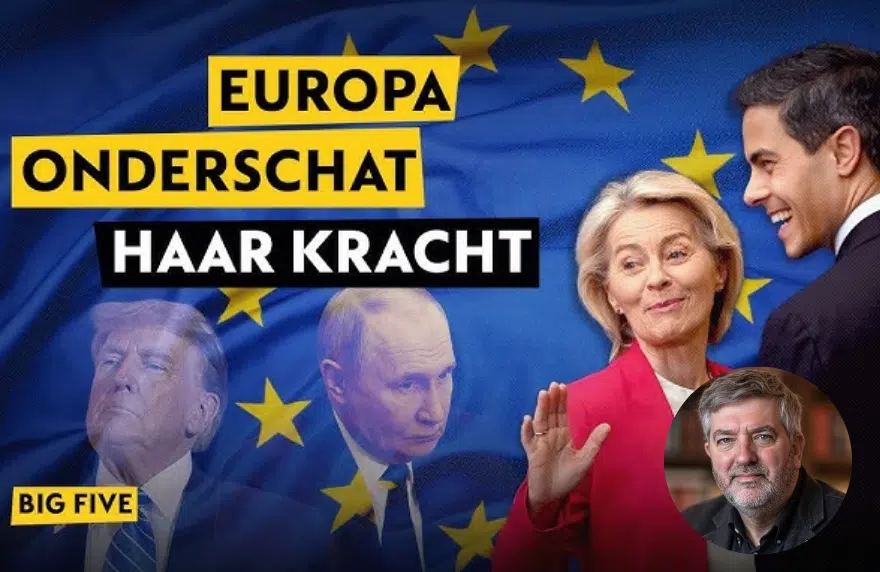
BNR’s Big Five | Peter Wijninga: ‘De oorlog heeft de onderhandelingen tussen Iran en de VS alleen maar ingewikkelder gemaakt’

April 14, 2026
Een weekend aan onderhandelingen tussen de Verenigde Staten en Iran heeft nog niets opgeleverd. Wie van de twee staat er nu strategisch het beste voor? En heeft president Trump een punt als hij zich bedrogen voelt door de NAVO-bondgenoten, of staan landen als Spanje en Italië volledig in hun recht?

In de afgelopen maanden heeft president Trump op ongekende wijze huis gehouden in de wereld, van het ontvoeren van de president van Venezuela, het liquideren van de Iraanse Ayatollah, het bombarderen van Iran en het bedreigen van NAVO bondgenoten. De vraag is nu: versterkt of verzwakt dit de positie van de Verenigde Staten op het wereldtoneel? Wat betekent dit alles voor Europa en naar wie luistert de Amerikaanse president eigenlijk nog?

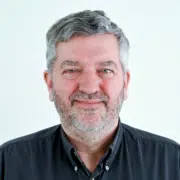
Te gast in BNR’s Big Five ‘Trump Op Oorlogspad” met Diana Matroos is Peter Wijninga, defensiespecialist verbonden aan het Den Haag Centrum voor Strategische Studies.

“Trump blijft Europa ondermijnen door twijfel te zaaien over de NAVO en de trans-Atlantische samenwerking. Zijn wisselende koers richting bondgenoten en conflicten zoals Iran en Oekraïne vergroot de onzekerheid in Europa,” stelt Wijninga. “Tegelijkertijd wordt vaak onderschat hoeveel economische, militaire en institutionele macht de Europese Unie en de NAVO gezamenlijk bezitten. Europa is minder afhankelijk dan het zichzelf soms voorhoudt, maar benut die kracht nog onvoldoende.”

Benjamin Netanyahu waarschuwt al decennialang voor Iran als structurele dreiging voor Israël en de regio. In die lijn beschouwt hij het Midden-Oosten als een blijvend veiligheidsprobleem dat actief moet worden aangepakt. Die visie speelt een centrale rol in de recente escalatie met Iran, waarbij de Verenigde Staten steeds dieper betrokken raakten.

Volgens defensiespecialist Peter Wijninga kwam het militaire conflict op gang terwijl diplomatieke gesprekken tussen Washington en Teheran nog liepen. Door de Israëlische aanval ontstond een situatie waarin Amerikaanse troepen in de regio nauwelijks buiten het conflict konden blijven, ondanks het ontbreken van een duidelijk politiek einddoel.

Militair is Iran geraakt, maar het regime bleef overeind. Tegelijkertijd kreeg Teheran extra onderhandelingsmacht, onder meer door het strategische belang van de Straat van Hormuz. De gevolgen van deze machtsdynamiek reiken verder dan Israël en Iran en raken ook de positie van de Verenigde Staten en de stabiliteit in de regio.

Bron: BNR, 13 april 2026

  • Share on Facebook
  • Share on X
  • Share on WhatsApp
  • Share on LinkedIn
  • Share by Mail

Experts

Peter Wijninga

Related News

Related Content

HCSS in the media | Week 15
HCSS in the media | Week 14
HCSS in the media | Week 13

Office Address

  • The Hague Centre for Strategic Studies
  • Lange Voorhout 1
  • 2514 EA The Hague
  • The Netherlands

Contact Us

  • Telephone: +31(70) 318 48 40
  • E-mail: info@hcss.nl
  • IBAN NL10INGB0666328730
  • BIC INGBNL2A
  • VAT NL.8101.32.436.B01
  • Contact

Legal & Privacy

  • Disclaimer & Privacy
  • Algemene Voorwaarden 2024 (NL) 
  • Terms & Conditions 2024 (ENG) 
  • Algemene Voorwaarden 2026 (NL) 
  • Terns & Conditions 2026 (EN) 
  • Coordinated Vulnerability Disclosure
  • Ethical Standards
  • Manual for Responsible Use of AI

Follow us

© The Hague Centre for Strategic Studies
    Link to: Terugkijken | Lucia van Geuns in De Balie: Energie als wapen Link to: Terugkijken | Lucia van Geuns in De Balie: Energie als wapen Terugkijken | Lucia van Geuns in De Balie: Energie als wapen
    Scroll to top Scroll to top Scroll to top

    GDPR Consent

    Your privacy is important to us. Here you can set which consent you are allowing us with regards to the collection of general information, the placing of cookies of the collection of personal information. You can click 'Forget my settings' at the bottom of this form to revoke all given consents.

    Privacy policy | Close
    Settings

    GDPR Consent Settings

    Your privacy is important to us. Here you can set which consent you are allowing us with regards to the collection of general information, the placing of cookies of the collection of personal information. You can click 'Forget my settings' at the bottom of this form to revoke all given consents.

    Website statistics collect anonymized information about how the site is used. This information is used to optimize the website and to ensure an optimal user experience.

    View details

    Functional cookies are used to ensure the website works properly and are neccessary to make the site function. These cookies do not collect any personal data.  

    View details
    Forget my settings Deleted!