Research
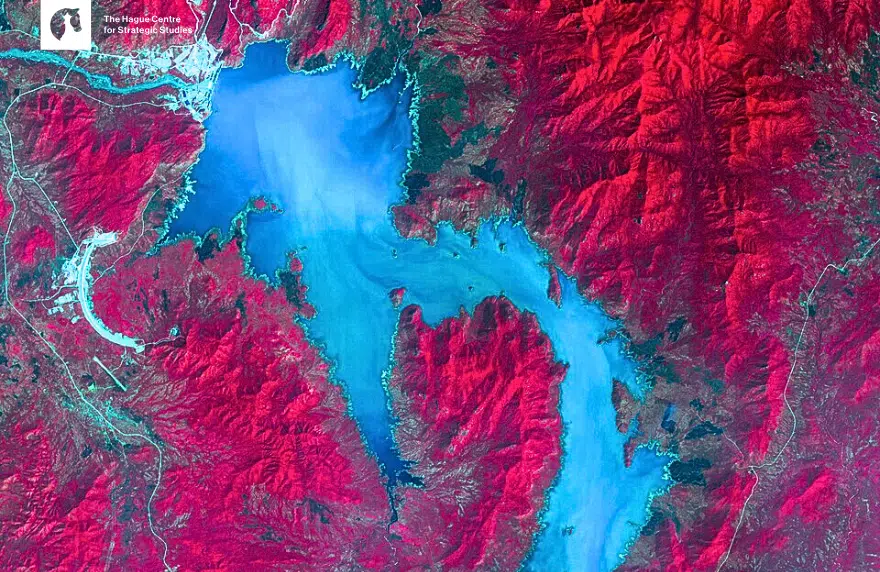
Since the project’s inception in 2011, tensions surrounding the Grand Ethiopian Renaissance Dam (GERD) have heightened the risk of conflict and instability in Europe’s extended Southern neighbourhood. However, despite promises to strengthen its involvement in water diplomacy and support a resolution to the GERD dispute, the EU’s ability to ease transboundary tensions in the Nile River Basin remains limited.
In this snapshot, Assistant Analyst Michelle Reitano, in collaboration with Director of the Climate, Water, and Food Security Programme Laura Birkman and Strategic Analyst Thijs van Aken, answers the question: Why has the EU been limited in its engagement in the transboundary politics of the Nile River Basin and how can the EU move towards an effective engagement strategy in the Nile’s water disputes?
The snapshot argues that three limiting factors impact the EU’s ability to meaningfully engage in the GERD dispute: (1) a turn from mediation to crisis management, (2) a strategic re-alignment towards Egypt, and (3) a difficulty in mobilising its technical engagements.
Based on these limitations, the author proposes three strategic outlooks:
- Prioritise long-term geostrategic interests in the face of crises. The EU needs to engage with its extended Southern neighbourhood not only through the lense of crisis management but also through sustained investment long-term solutions.
- Build effective partnerships and ensure the EU’s image as a legitimate actor. While the EU must balance a range of competing interests across riparian states, it needs to position itself as a credible and even-handed actor in the GERD dispute.
- Strengthen coherence and invest in conflict-sensitive infrastructure development. While member states retain their own national foreign policies, stronger EU-level coordination is essential to engage credibly on the GERD dispute and translate technical cooperation into political progress.
Author Michelle Reitano notes:
“Water resources and infrastructure have become part of geopolitical contestation. The EU must ready itself to face increased transboundary tensions, pressures due to climate change, and water-related security challenges in its neighbourhoods.”
Author: Michelle Reitano
Editors: Laura Birkman and Thijs van Aken
Cover photo: NASA/METI/AIST/Japan Space Systems, and U.S./Japan ASTER Science Team


Related Content