HCSS
  • News
    • BNR | De Strateeg
    • Columns
    • Events
    • HCSS Newsletter
    • Podcasts
  • Publications
    • Publications
      • All Projects
      • All Publications
    • Geopolitics & Governance
      • Transatlantic Relations
      • Russia & Eurasia
      • Europe in the Indo-Pacific
      • AI in the Military Domain
      • PROGRESS / Strategic Monitor
    • Economics & Technology
      • Emerging Technologies
      • Critical Materials
      • Energy Security
    • Defence & Security
      • On Future War
      • Deterrence and Arms Control
      • Hybrid Threats
      • Cyber Security
    • Society & Resilience
      • Nationale Veiligheid en Weerbaarheid
      • Publieksmonitor Maatschappelijke Stabiliteit
      • Transnational Organised Crime
      • Strategic Monitor Dutch Police
    • Climate, Water & Food
      • Climate Security
      • Water, Peace & Security (WPS)
      • International Military Council on Climate and Security (IMCCS)
      • Food Security
  • Dashboards
    • Dashboards
      • All Tools
        • GINA
        • SARA
        • GATRI
        • DOMINO
    • Geopolitics & Governance
      • Diplomatic Networks
      • News Networks
      • Dutch Foreign Relations
      • Chinese Hybrid Threats
    • Economics & Technology
      • Economic Networks
      • Economic Risk
      • Critical Materials Supply Chains
      • Critical Materials Map
      • Critical Materials Pricing
      • Cyber Arms Watch
    • Defence & Security
      • Military Networks
      • Nuclear Timeline
    • Society & Resilience
      • Conflict Monitor
    • Climate, Water & Food
      • Agrifood Monitor
  • Leadership Practice
    • HCSS Leadership Practice
    • HCSS Boardroom
    • Strategic Negotiations Course
    • Serious Gaming
    • IDCSS | Indo-Dutch Cyber Security School
    • SANCS | Southern Africa-Netherlands Cyber Security School
  • About HCSS
    • Contact Us
    • HCSS Datalab
    • Our People
    • Funding & Transparency
    • Internship Programme
    • Press & Media Inquiries
    • Studio HCSS
    • Working at HCSS
    • Global Futures Foundation
  • Click to open the search input field Click to open the search input field Search
  • Menu Menu

News

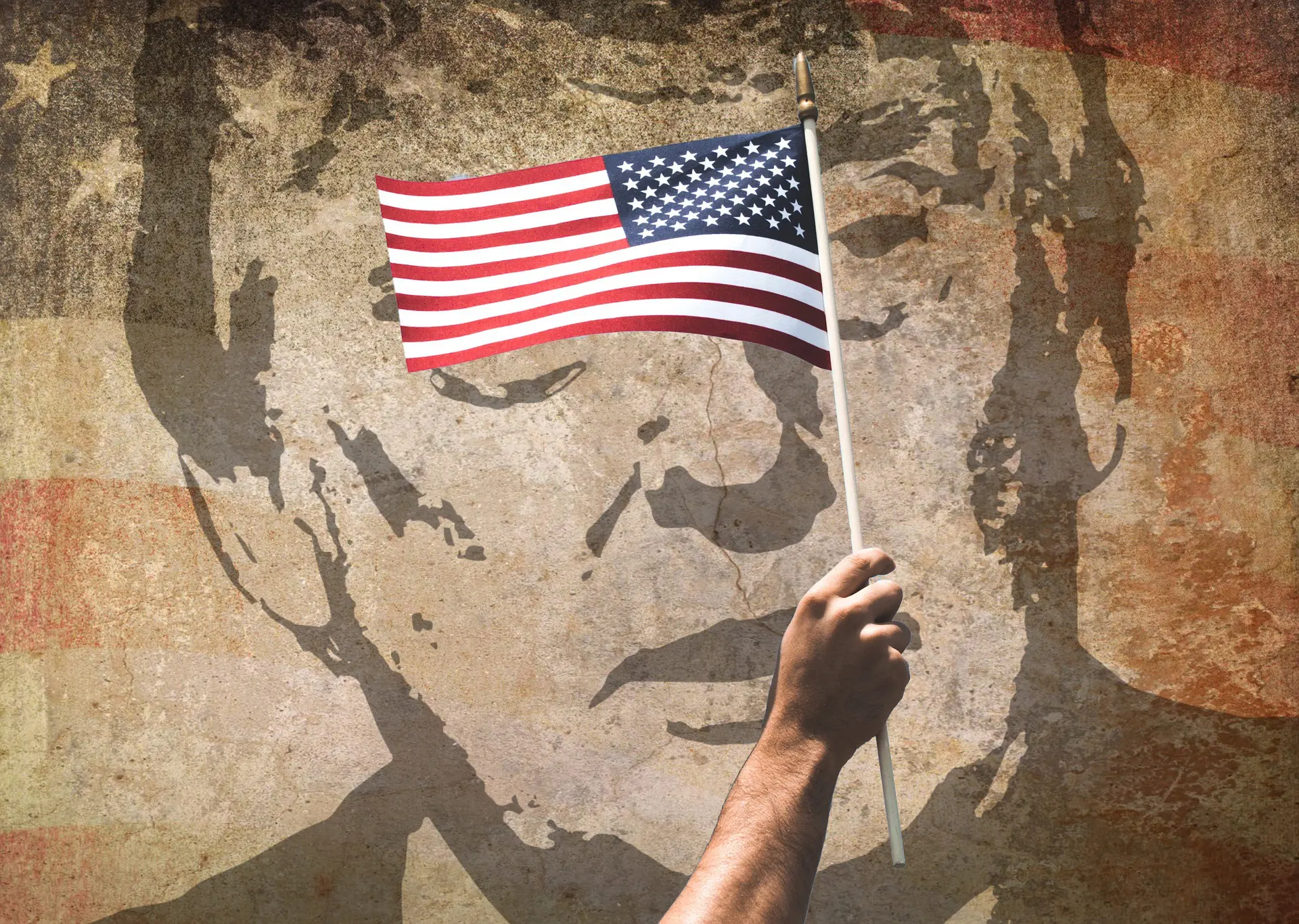
Respecteert Trump de Iran-deal of blaast hij hem op?

May 7, 2018

Wie zich beroepsmatig met internationale politiek bezighoudt en Israël bezoekt heeft een grote kans ermee te maken te krijgen: presentaties op basis van geheime documenten over wat dit land bedreigt. Je krijgt het gevoel een voorkeursbehandeling te ondergaan, maar tegelijkertijd weet je dat je voor een politiek karretje wordt gespannen.

Toen de Israëlische premier Netanyahu deze week zijn 55.000 pagina’s tellend archief over het geheime Iraanse atoomprogramma aan de wereld ontvouwde, leverde dat bij mij een déjà vu vanjewelste op. Zijn belangrijkste boodschap was dat het kernprogramma nog steeds bestaat en dat Iran de afgelopen jaren dus keihard gelogen had.

Netanyahu’s presentatie was duidelijk bedoeld om Trump een zet te geven in de richting van het opgeven van het Joint Comprehensive Plan of Action, beter ­bekend als de Iran-deal. Dit plan verplicht Iran zijn kernprogramma af te bouwen in ruil voor de afbouw van internationale sancties.

Trump en Netanyahu willen van de deal af om zo snel mogelijk opnieuw sancties te kunnen invoeren. Daarvoor is het kennelijk gepermitteerd om geheime documenten op te voeren uit de tijd van voor de ontmanteling van het Iraanse programma. Het politieke doel heiligt de middelen.

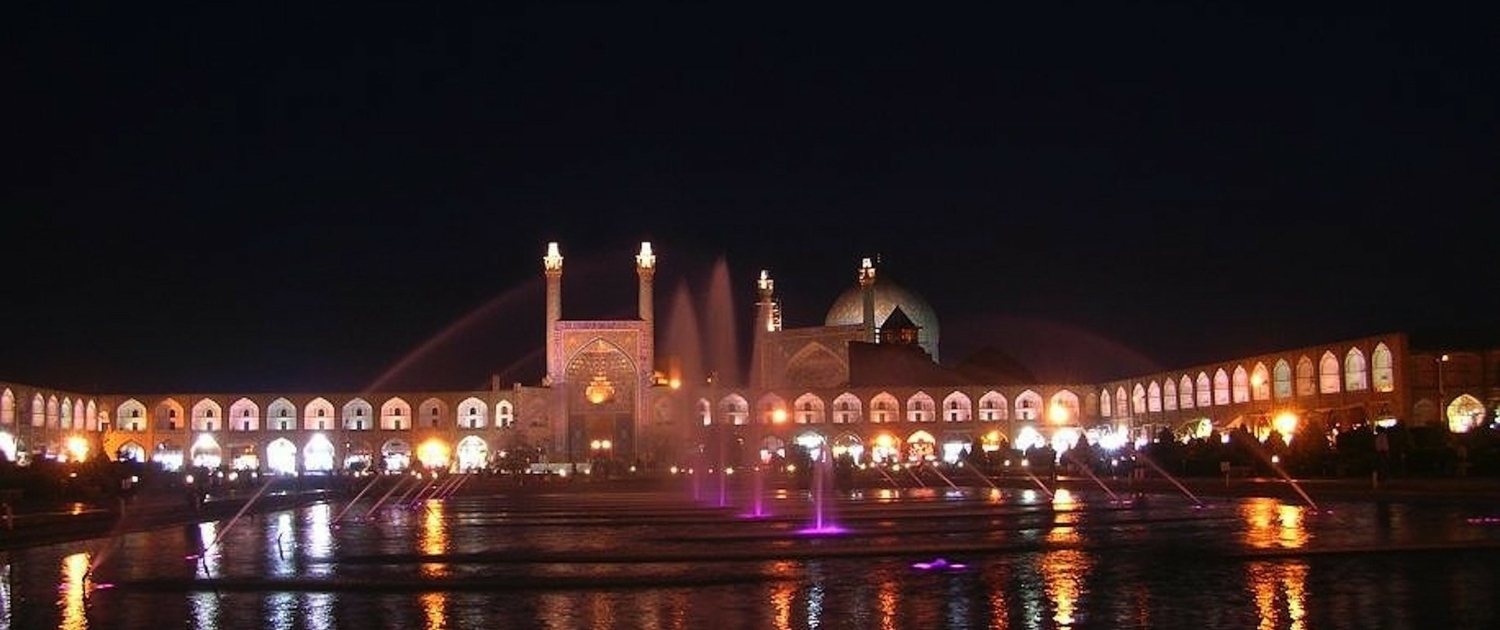
Toch is de vrees voor Iran verklaarbaar. Als het niet langer een paria is en niet meer door sancties in het gareel wordt gehouden, gaat dit land volgens Trump en Netanyahu een nieuwe dreiging voor de hele regio vormen. Vooral omdat door Iran gesteunde landen als Syrië en Irak, en de terreurbeweging Hezbollah daar wel bij zullen varen. Nu al worden met Iraanse steun langs ­Israëls grenzen militaire capaciteiten ontwikkeld waarmee het land rechtstreeks wordt bedreigd. Om dat te voorkomen voert Israël regelmatig bombardementsvluchten uit, waarop Iran weer wraak zweert.

Zolang Iran met sancties in de tang wordt gehouden, geen kernwapens bezit en Israël die wel heeft, is deze situatie beheersbaar. Als Trump na het opblazen van de deal ook nog eens de ontwikkeling van Iraanse ballistische raketten aan banden gaat leggen, is dat voor Israël helemaal goed nieuws.

De zorgen over Iran hebben dus weinig te maken met de vrees dat het land de boel flest, maar des te meer met een gevreesde machtsverschuiving die verhoudingen in het Midden-Oosten op zijn kop zet en voor Israël ronduit bedreigend is. Sterker, Iran kan zijn macht alleen maar uitbreiden als het zich aan het akkoord houdt. Bedonderen is juist niet in Irans belang.

Alleen al daarom vind ik de conclusie van het onafhankelijke Internationaal Atoomenergieagentschap dat Iran zich wel degelijk aan de afspraken houdt, geloofwaardiger dan die van Netanyahu.

Het is overigens geen wonder dat Irans bondgenoten, China en Rusland, de deal voluit steunen. De toenemende macht van Iran verstevigt hun positie, zeker als Trump ook nog eens besluit zijn troepen uit de regio terug te trekken. En Europa? Dat wenst zoals gebruikelijk het machtspolitieke spel niet te spelen en is tevreden met een kernwapenvrij Iran.

Op 12 mei weten we wie heeft gewonnen. Dan ­besluit Trump welke kant hij kiest: die van Macron, die hem ervan probeerde te overtuigen de Iran-deal te respecteren, of van Netanyahu, die er juist vanaf wil. 

Lees de wekelijkse column van Rob de Wijk in Trouw!

  • Share on Facebook
  • Share on X
  • Share on WhatsApp
  • Share on LinkedIn
  • Share by Mail

Experts

Rob de Wijk

Related News

Related Content

Trump zorgt ervoor dat de EU en China gelijke, anti-Amerikaanse belangen krijgen
De Strateeg: Valt Iran in toom te houden met een nieuwe nucleaire deal?
Conflict VS en Iran loopt steeds hoger op: welke opties heeft Trump nog?

Office Address

  • The Hague Centre for Strategic Studies
  • Lange Voorhout 1
  • 2514 EA The Hague
  • The Netherlands

Contact Us

  • Telephone: +31(70) 318 48 40
  • E-mail: info@hcss.nl
  • IBAN NL10INGB0666328730
  • BIC INGBNL2A
  • VAT NL.8101.32.436.B01
  • Contact

Legal & Privacy

  • Disclaimer & Privacy
  • Algemene Voorwaarden 2024 (NL) 
  • Terms & Conditions 2024 (ENG) 
  • Algemene Voorwaarden 2026 (NL) 
  • Terns & Conditions 2026 (EN) 
  • Coordinated Vulnerability Disclosure
  • Ethical Standards
  • Manual for Responsible Use of AI

Follow us

© The Hague Centre for Strategic Studies
    Link to: Handelsoorlog Amerika – Europa? Link to: Handelsoorlog Amerika – Europa? Handelsoorlog Amerika – Europa? Link to: Trump zorgt ervoor dat de EU en China gelijke, anti-Amerikaanse belangen krijgen Link to: Trump zorgt ervoor dat de EU en China gelijke, anti-Amerikaanse belangen krijgen Trump zorgt ervoor dat de EU en China gelijke, anti-Amerikaanse belangen kr...
    Scroll to top Scroll to top Scroll to top

    GDPR Consent

    Your privacy is important to us. Here you can set which consent you are allowing us with regards to the collection of general information, the placing of cookies of the collection of personal information. You can click 'Forget my settings' at the bottom of this form to revoke all given consents.

    Privacy policy | Close
    Settings

    GDPR Consent Settings

    Your privacy is important to us. Here you can set which consent you are allowing us with regards to the collection of general information, the placing of cookies of the collection of personal information. You can click 'Forget my settings' at the bottom of this form to revoke all given consents.

    Website statistics collect anonymized information about how the site is used. This information is used to optimize the website and to ensure an optimal user experience.

    View details

    Functional cookies are used to ensure the website works properly and are neccessary to make the site function. These cookies do not collect any personal data.  

    View details
    Forget my settings Deleted!