HCSS
  • News
    • BNR | De Strateeg
    • Columns
    • Events
    • HCSS Newsletter
    • Podcasts
  • Publications
    • Publications
      • All Projects
      • All Publications
    • Geopolitics & Governance
      • Transatlantic Relations
      • Russia & Eurasia
      • Europe in the Indo-Pacific
      • AI in the Military Domain
      • PROGRESS / Strategic Monitor
    • Economics & Technology
      • Emerging Technologies
      • Critical Materials
      • Energy Security
    • Defence & Security
      • On Future War
      • Deterrence and Arms Control
      • Hybrid Threats
      • Cyber Security
    • Society & Resilience
      • Nationale Veiligheid en Weerbaarheid
      • Publieksmonitor Maatschappelijke Stabiliteit
      • Transnational Organised Crime
      • Strategic Monitor Dutch Police
    • Climate, Water & Food
      • Climate Security
      • Water, Peace & Security (WPS)
      • International Military Council on Climate and Security (IMCCS)
      • Food Security
  • Dashboards
    • Dashboards
      • All Tools
        • GINA
        • SARA
        • GATRI
        • DOMINO
    • Geopolitics & Governance
      • Diplomatic Networks
      • News Networks
      • Dutch Foreign Relations
      • Chinese Hybrid Threats
    • Economics & Technology
      • Economic Networks
      • Economic Risk
      • Critical Materials Supply Chains
      • Critical Materials Map
      • Critical Materials Pricing
      • Cyber Arms Watch
    • Defence & Security
      • Military Networks
      • Nuclear Timeline
    • Society & Resilience
      • Conflict Monitor
    • Climate, Water & Food
      • Agrifood Monitor
  • Leadership Practice
    • HCSS Leadership Practice
    • HCSS Boardroom
    • Strategic Negotiations Course
    • Serious Gaming
    • IDCSS | Indo-Dutch Cyber Security School
    • SANCS | Southern Africa-Netherlands Cyber Security School
  • About HCSS
    • Contact Us
    • HCSS Datalab
    • Our People
    • Funding & Transparency
    • Internship Programme
    • Press & Media Inquiries
    • Studio HCSS
    • Working at HCSS
    • Global Futures Foundation
  • Click to open the search input field Click to open the search input field Search
  • Menu Menu

News

OPEC influence waning as division deepens among members

November 28, 2014

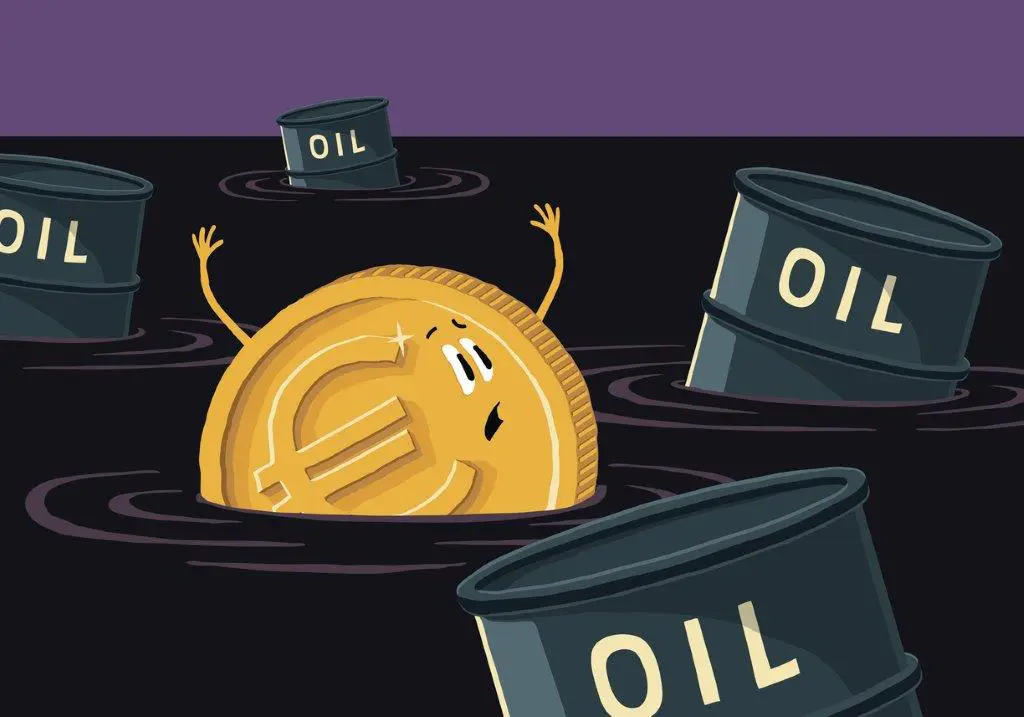
The influence of OPEC appears to be on the decline as the share of production from non-OPEC countries and shale oil rises sharply. This rise of non-OPEC output, in combination with a weak global economy and slowing demand in China has set in motion an oil price slide of around 30% since last June. As a result, the whole world was anxiously watching Vienna last Thursday, when perhaps the most important meeting of OPEC since the financial crisis took place.

Ultimately, Saudi Arabia’s concern over market share proved the winning argument, and no production cut was announced – much to the detriment of the cartel’s weaker members Venezuela, Iran, Iraq and Nigeria. Not surprisingly, Brent oil tumbled further following the result of yesterday’s meeting. For non-OPEC member Russia, battered by sanctions, this also is a development they could well do without.

Then what should we expect to happen until the next OPEC meeting in June 2015? What will happen to the price of oil until? What will be the impact on US shale production? Anadolu News Agency from Turkey spoke with Sijbren de Jong (HCSS), Valerie Marcel (Chatham House) and Thomas Pugh (Capital Economics). The full interview can be read here.

  • Share on Facebook
  • Share on X
  • Share on WhatsApp
  • Share on LinkedIn
  • Share by Mail

Experts

Related News

Related Content

Success of oil output deal will dictate Russia, OPEC ties
OPEC divided in the run-up to crucial meeting in Vienna
Days of $100 oil very far away

Office Address

  • The Hague Centre for Strategic Studies
  • Lange Voorhout 1
  • 2514 EA The Hague
  • The Netherlands

Contact Us

  • Telephone: +31(70) 318 48 40
  • E-mail: info@hcss.nl
  • IBAN NL10INGB0666328730
  • BIC INGBNL2A
  • VAT NL.8101.32.436.B01
  • Contact

Legal & Privacy

  • Disclaimer & Privacy
  • Algemene Voorwaarden 2024 (NL) 
  • Terms & Conditions 2024 (ENG) 
  • Algemene Voorwaarden 2026 (NL) 
  • Terns & Conditions 2026 (EN) 
  • Coordinated Vulnerability Disclosure
  • Ethical Standards
  • Manual for Responsible Use of AI

Follow us

© The Hague Centre for Strategic Studies
    Link to: Hagel slachtoffer van rammelend buitenlandbeleid Witte Huis Link to: Hagel slachtoffer van rammelend buitenlandbeleid Witte Huis Hagel slachtoffer van rammelend buitenlandbeleid Witte Huis Link to: Special Elective Geo-Economics Leiden University, Campus the Hague, by Sijbren de Jong Link to: Special Elective Geo-Economics Leiden University, Campus the Hague, by Sijbren de Jong Special Elective Geo-Economics Leiden University, Campus the Hague, by Sijbren...
    Scroll to top Scroll to top Scroll to top

    GDPR Consent

    Your privacy is important to us. Here you can set which consent you are allowing us with regards to the collection of general information, the placing of cookies of the collection of personal information. You can click 'Forget my settings' at the bottom of this form to revoke all given consents.

    Privacy policy | Close
    Settings

    GDPR Consent Settings

    Your privacy is important to us. Here you can set which consent you are allowing us with regards to the collection of general information, the placing of cookies of the collection of personal information. You can click 'Forget my settings' at the bottom of this form to revoke all given consents.

    Website statistics collect anonymized information about how the site is used. This information is used to optimize the website and to ensure an optimal user experience.

    View details

    Functional cookies are used to ensure the website works properly and are neccessary to make the site function. These cookies do not collect any personal data.  

    View details
    Forget my settings Deleted!